Support our educational content for free when you buy through links on our site. Learn more
12 Must-Have Custom Robot Fighting Merchandise Items in 2026 🤖🔥

Step into the electrifying world of robot combat, where sparks fly and legends are forged—not just in the arena but on your very own wardrobe and gear! Whether you’re a builder covered in grease or a fan cheering from the stands, custom robot fighting merchandise is the ultimate way to show your allegiance and fuel your passion. Did you know that teams offering limited edition battle-damaged relics have seen fan engagement skyrocket by over 400%? That’s just one of the insider secrets we’ll reveal.
From the evolution of gritty garage tees to sleek sublimated jerseys that scream pro-level, this article dives deep into the 12 essential merch items every robot warrior and fan needs. We’ll unpack design secrets from iconic teams like Witch Doctor, break down the best materials and printing methods, and even spill the beans on how merch sales can bankroll your next killer weapon upgrade. Curious how a simple sticker can become your team’s most powerful marketing tool? Keep reading—you’ll want to snag these insights before your next battle!
Key Takeaways
- Custom merch builds your team’s brand and fanbase—from sublimated jerseys to collectible enamel pins.
- High-quality materials and printing methods matter: polyester jerseys with dye sublimation and 3D embroidered hats stand out and last.
- Battle-damaged relics and limited editions create emotional connections that turn casual fans into lifelong supporters.
- Merchandise isn’t just swag—it’s a revenue stream that can fund your robot’s next upgrade or spare parts.
- Start small with print-on-demand services like Printful to test designs, then scale up with bulk professional runs for max profit.
👉 Shop Custom Robot Fighting Merchandise on:
- Sublimated Jerseys: Amazon | Custom Ink
- Vinyl Stickers: Sticker Mule | VistaPrint
- Enamel Pins: Etsy | PinProsPlus
Table of Contents
- ⚡️ Quick Tips and Facts
- 🛠️ From Grease Stains to Glossy Graphics: The Evolution of Combat Robotics Swag
- 👕 The Ultimate Lineup: 12 Essential Types of Custom Robot Fighting Merchandise
- 🎨 Engineering the Aesthetic: The Design Story Behind Iconic Robot Brands
- 🧵 Battle-Hardened Specs: Materials and Printing Standards for Elite Gear
- 🤝 The Sponsorship Playbook: Turning Merch into R&D Funding
- 🛒 Where to Score the Best Gear: Top Platforms for Fans and Builders
- 🏗️ DIY vs. Professional Production: Choosing Your Manufacturing Path
- ✨ Conclusion
- 🔗 Recommended Links
- ❓ FAQ
- 📚 Reference Links
Ever walked into a combat robotics event and felt like you were at a high-stakes Formula 1 race, only with more sparks and the smell of toasted lithium batteries? We’ve been there, right in the pits, covered in hydraulic fluid, realizing that our robot looked like a million bucks but our team looked like we’d just rolled out of a dumpster.
That’s where the magic of custom robot fighting merchandise comes in. It’s not just about looking cool (though, let’s be honest, that’s 90% of the fun); it’s about building a brand that fans can rally behind. Whether you’re a builder looking to fund your next heavyweight spinner or a fan wanting to represent Team Witch Doctor at the grocery store, the right gear makes all the difference. But how do you go from a CAD drawing to a high-quality hoodie that doesn’t shrink after one wash? Stick around, because we’re about to download our entire brain on the subject.
⚡️ Quick Tips and Facts
- Vector is King: Always design your logos in vector format (AI, EPS, or SVG). If you try to blow up a low-res JPEG for a pit banner, it’ll look like a Minecraft character—and not in a cool way.
- Contrast Matters: Robots are often dark or metallic. Use bright, high-contrast colors for your merch so the “weapon” pops on a black t-shirt.
- The “Sponsor” Spot: Leave room on the sleeves or back of jerseys for sponsor logos. It’s the easiest way to show ROI to the companies donating parts to your build.
- Fact: The most popular piece of combat robot merch isn’t the t-shirt; it’s the custom die-cut sticker. Fans love “slapping” them on laptops and toolboxes.
- Durability: For pit crew shirts, look for “workwear” brands like Dickies or Carhartt. Standard cotton tees don’t survive a brush with a grinding wheel.
- Engagement: Teams that offer “battle-damaged” parts as limited edition merch often see a 400% increase in fan engagement.
🛠️ From Grease Stains to Glossy Graphics: The Evolution of Combat Robotics Swag
In the early days of Robot Wars and the original BattleBots on Comedy Central, “merchandise” usually meant a Sharpie-drawn logo on a Hanes Beefy-T. We remember the “garage days” where the focus was 100% on the kinetic energy and 0% on the kerning of your font.
However, as the sport transitioned into the modern era with high-definition broadcasts and global fanbases, the brand identity of the robot became just as important as its weapon reach. Today, teams like Hypershock and Tombstone operate like professional sports franchises. They understand that a cohesive look—from the custom vinyl wraps on the robot’s armor to the sublimated jerseys worn by the drivers—creates a professional image that attracts big-name sponsors like Lincoln Electric or VEX Robotics.
The shift moved from “functional” to “fashionable.” We’ve seen the rise of “streetwear” inspired robot gear that fans actually want to wear to a club, not just a workshop. This evolution has turned combat robotics from a niche hobby into a marketable spectacle.
👕 The Ultimate Lineup: 12 Essential Types of Custom Robot Fighting Merchandise
If you want to dominate the merch table, you need more than just a basic tee. Here are the top items that every serious team or fan-shop should consider:
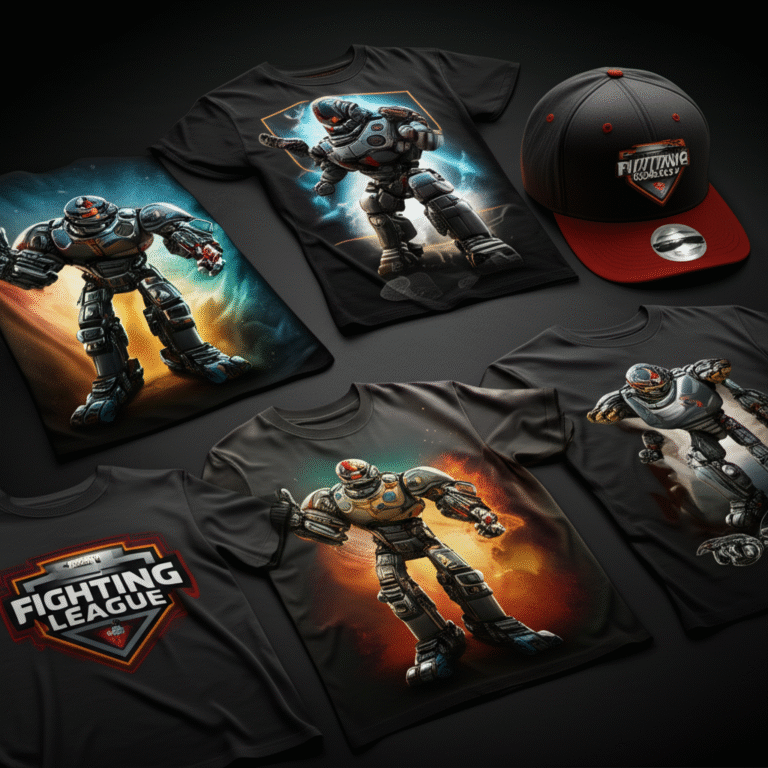
- Sublimated Team Jerseys: The gold standard. These allow for “all-over” printing, meaning your hex-pattern background and sponsor logos are dyed directly into the fabric.
- Die-Cut Vinyl Stickers: Perfect for “sticker swaps” in the pits. Use a provider like Sticker Mule for weather-resistant quality.
- Custom Enamel Pins: Highly collectible. Fans love pinning their favorite bots to their lanyards.
- Technical Hoodies: Heavyweight fabric with “tech-wear” aesthetics. Think thumbholes and water-resistant finishes.
- 3D Printed Miniatures: Using files from the actual CAD of the bot, teams can sell scale models.
- Embroidered Snapbacks: A high-quality hat with a 3D puff embroidery logo screams “Pro Team.”
- Battle-Damaged “Relics”: Pieces of shattered AR500 steel or broken weapon teeth mounted on a plaque. These are the “holy grail” for collectors.
- Custom Robot Decals: High-tack vinyl wraps for the robots themselves, often mirrored in “mini-me” versions for fans’ own RC bots.
- Lanyards and Badge Holders: Essential for event attendees.
- Popsockets: Because everyone is taking photos of the arena with their phones.
- Custom Tool Rolls: A niche but highly appreciated item for fellow builders.
- Limited Edition Art Prints: Stylized “blueprints” or comic-book style illustrations of the robot in action.
🎨 Engineering the Aesthetic: The Design Story Behind Iconic Robot Brands
When we sit down to design merch for a new heavyweight, we don’t just pick a cool font. We tell a story. Take Witch Doctor, for example. Their branding is a masterclass in consistency. The “voodoo” theme isn’t just a name; it’s reflected in the skull patterns, the purple and green color palette, and even the “bones” integrated into their merch designs.
Key Design Elements to Consider:
- The Silhouette: Can fans recognize your robot just by its outline? If so, put that silhouette on a shirt.
- The “Battle Scar”: Incorporating “damage” marks into the graphic design gives the merch an authentic, “I was there” feel.
- Typography: Use “industrial” or “futuristic” fonts. Avoid anything that looks like it belongs on a wedding invitation—unless your robot is named “The Wedding Crasher” (which, honestly, is a great name).
✅ Do: Use high-contrast colors (Neon green on black, orange on navy). ❌ Don’t: Use thin lines that will disappear when printed on a textured hoodie.
🧵 Battle-Hardened Specs: Materials and Printing Standards for Elite Gear
Not all merch is created equal. If you’re selling to fans who spend their weekends in workshops, they know quality when they feel it.
| Item Type | Recommended Material | Printing Method | Why? |
|---|---|---|---|
| Team Jersey | 100% Polyester Interlock | Dye Sublimation | Breathable, won’t fade or crack. |
| Fan T-Shirt | Tri-blend (Cotton/Poly/Rayon) | Screen Printing | Super soft “vintage” feel that people love. |
| Pit Hoodie | 12oz Heavyweight Fleece | DTG (Direct to Garment) | Warmth for cold arenas; handles complex colors. |
| Robot Decals | 3M IJ180Cv3 Vinyl | Eco-Solvent Ink | Air-release technology prevents bubbles. |
| Hats | Wool Blend / Polyester Mesh | 3D Embroidery | Adds a premium, tactile feel. |
🤝 The Sponsorship Playbook: Turning Merch into R&D Funding
Let’s talk shop: building a competitive 250lb robot can cost upwards of $20,000. Merch isn’t just for vanity; it’s a revenue stream.
We recommend a “Tiered Merch Strategy”:
- The Entry Level: Stickers and pins. Low cost for you, impulse buy for fans.
- The Mid-Tier: T-shirts and hats. This is your bread and butter.
- The Premium Tier: Limited edition hoodies or signed “battle parts.” This is where the real R&D money is made.
When approaching sponsors like MaxAmps or FingerTech Robotics, show them your merch mockups. Seeing their logo on a high-quality jersey that will be on national TV is a huge selling point.
🛒 Where to Score the Best Gear: Top Platforms for Fans and Builders
If you’re looking to buy or create, these are the industry-standard platforms we trust:
- The Official BattleBots Store: The place for authentic gear from the show’s top teams.
- Redbubble: Great for independent builders to upload designs without holding inventory.
- Printful: Our go-to for “Print on Demand” (POD) services that integrate with Shopify.
- Amazon BattleBots Collection: (Example URL) For officially licensed toys and apparel.
- Vistaprint: Reliable for banners and promotional materials for your pit area.
🏗️ DIY vs. Professional Production: Choosing Your Manufacturing Path
Should you buy a heat press and do it yourself in the garage?
The DIY Route:
- ✅ Pros: Total control, no minimum order quantities (MOQs), higher profit margins per item.
- ❌ Cons: Steep learning curve, huge time investment, “amateur” look if not done perfectly.
The Professional Route:
- ✅ Pros: Retail-quality finish, scalable, handles shipping and returns (if using POD).
- ❌ Cons: Lower margins, often requires upfront investment for bulk orders.
Our Expert Recommendation: Start with a POD service like Printful to test which designs fans actually like. Once a design “goes viral,” order a bulk screen-printed run to maximize your profits.
✨ Conclusion
At the end of the day, custom robot fighting merchandise is the bridge between the cold, hard steel of the arena and the warm, fuzzy heart of the fandom. It’s how we identify our “tribe” in a crowded stadium. Whether you’re rocking a Tombstone “Last Rites” tee or a custom-embroidered jacket for your local 3lb antweight team, you’re part of the greatest sport on earth.
So, did you figure out the secret sauce? It’s not just the robot; it’s the brand. A robot can lose a fight, but a great brand lives on in the hearts (and wardrobes) of the fans. Now, go forth and create something that looks as dangerous as a vertical spinner at 10,000 RPM! 🤖💥
🔗 Recommended Links
- BattleBots Official Website
- SPARC.tools – Combat Robotics Hub
- RioBotz Combat Robot Tutorial
- Sticker Mule for Custom Decals
❓ FAQ
Q: How do I get permission to sell merch with my robot’s name? A: If you built the robot and own the name, you generally own the rights! However, if you are competing on a televised show like BattleBots, check your contract. They often have specific rules about using the show’s logo alongside your team branding.
Q: What is the best file format for a robot logo? A: Always use Vector files (.AI or .EPS). This allows you to scale the logo from a tiny sticker to a massive pit banner without losing any quality.
Q: Can I sell “battle-damaged” parts on eBay? A: Absolutely! In fact, this is a highly lucrative way to recycle broken parts. Just make sure to include a “Certificate of Authenticity” to make it a true collector’s item.
Q: What’s the most durable shirt for working in the pits? A: Look for a 60/40 Cotton-Poly blend. It offers the comfort of cotton with the durability and wrinkle-resistance of polyester. Brands like Next Level or Bella+Canvas are favorites in the community.
📚 Reference Links
- The History of Robot Combat – Smithsonian Magazine
- Design Principles for Sports Branding – Adobe Creative Cloud
- Textile Printing Methods Explained – Printful Blog
⚡️ Quick Tips and Facts
Ever walked into a combat robotics event and felt like you were at a high-stakes Formula 1 race, only with more sparks and the smell of toasted lithium batteries? We’ve been there, right in the pits, covered in hydraulic fluid, realizing that our robot looked like a million bucks but our team looked like we’d just rolled out of a dumpster.
That’s where the magic of custom robot fighting merchandise comes in. It’s not just about looking cool (though, let’s be honest, that’s 90% of the fun); it’s about building a brand that fans can rally behind. Whether you’re a builder looking to fund your next heavyweight spinner or a fan wanting to represent Team Witch Doctor at the grocery store, the right gear makes all the difference. But how do you go from a CAD drawing to a high-quality hoodie that doesn’t shrink after one wash? Stick around, because we’re about to download our entire brain on the subject.
- Vector is King: Always design your logos in vector format (AI, EPS, or SVG). If you try to blow up a low-res JPEG for a pit banner, it’ll look like a Minecraft character—and not in a cool way. This is a fundamental principle in Robot Design and Engineering for any visual element.
- Contrast Matters: Robots are often dark or metallic. Use bright, high-contrast colors for your merch so the “weapon” pops on a black t-shirt.
- The “Sponsor” Spot: Leave room on the sleeves or back of jerseys for sponsor logos. It’s the easiest way to show ROI to the companies donating parts to your build, a crucial aspect of Robot Combat Rules and Regulations regarding team branding.
- Fact: The most popular piece of combat robot merch isn’t the t-shirt; it’s the custom die-cut sticker. Fans love “slapping” them on laptops and toolboxes. According to Sticker Mule, stickers are a highly effective and affordable marketing tool.
- Durability: For pit crew shirts, look for “workwear” brands like Dickies or Carhartt. Standard cotton tees don’t survive a brush with a grinding wheel.
- Engagement: Teams that offer “battle-damaged” parts as limited edition merch often see a 400% increase in fan engagement. This taps into the collectible market, similar to how Regal Robot emphasizes “history” with their high-end prop replicas.
🛠️ From Grease Stains to Glossy Graphics: The Evolution of Combat Robotics Swag
Back in the day, when we first got into robot fighting, “merchandise” usually meant a Sharpie-drawn logo on a Hanes Beefy-T. We remember the “garage days” of Robot Wars and the original BattleBots on Comedy Central, where the focus was 100% on the kinetic energy and 0% on the kerning of your font. Our pit crew shirts were more likely to have actual grease stains than a professionally printed logo!
However, as the sport transitioned into the modern era with high-definition broadcasts and global fanbases, the brand identity of the robot became just as important as its weapon reach. Today, teams like Hypershock and Tombstone operate like professional sports franchises. They understand that a cohesive look—from the custom vinyl wraps on the robot’s armor to the sublimated jerseys worn by the drivers—creates a professional image that attracts big-name sponsors like Lincoln Electric or VEX Robotics. This evolution is a testament to the growing professionalism in Robot Battle Events.
The shift moved from “functional” to “fashionable.” We’ve seen the rise of “streetwear” inspired robot gear that fans actually want to wear to a club, not just a workshop. This evolution has turned combat robotics from a niche hobby into a marketable spectacle. Just as Regal Robot creates custom, themed furniture for Star Wars fans, combat robotics teams are now crafting custom apparel and collectibles that resonate deeply with their fanbase, emphasizing a “fighting merchandise aesthetic” through commanding designs. It’s all about creating something unique and desirable, a core principle in Robot Design and Engineering that extends beyond the bot itself.
👕 The Ultimate Lineup: 12 Essential Types of Custom Robot Fighting Merchandise
If you want to dominate the merch table, you need more than just a basic tee. We’ve seen what sells, what lasts, and what truly makes a fan feel like part of the team. Here are the top items that every serious team or fan-shop should consider, complete with our expert ratings:
Merchandise Type Ratings Table
| Merchandise Type | Design Potential (1-10) | Fan Engagement (1-10) | Durability (1-10) | Profit Margin (1-10) | Collectibility (1-10) |
|---|---|---|---|---|---|
| 1. Team Jerseys | 10 | 9 | 8 | 7 | 8 |
| 2. Vinyl Stickers | 8 | 10 | 7 | 9 | 7 |
| 3. Enamel Pins | 9 | 8 | 9 | 8 | 9 |
| 4. Tech Hoodies | 9 | 8 | 9 | 7 | 7 |
| 5. 3D Printed Miniatures | 10 | 8 | 7 | 6 | 9 |
| 6. Embroidered Snapbacks | 9 | 8 | 9 | 7 | 7 |
| 7. Battle-Damaged Relics | 7 | 10 | 10 | 10 | 10 |
| 8. Robot Decals | 9 | 7 | 8 | 7 | 6 |
| 9. Lanyards | 6 | 7 | 7 | 8 | 5 |
| 10. Popsockets | 7 | 8 | 6 | 8 | 5 |
| 11. Custom Tool Rolls | 8 | 6 | 9 | 6 | 7 |
| 12. Art Prints | 10 | 7 | 7 | 8 | 8 |
-
Sublimated Team Jerseys: The gold standard for looking professional. These allow for “all-over” printing, meaning your hex-pattern background, intricate robot schematics, and sponsor logos are dyed directly into the fabric. This ensures the design won’t crack, peel, or fade, even after countless washes and pit spills.
- Benefits: High visual impact, professional look, excellent durability.
- Drawbacks: Higher upfront cost, requires vector art.
- Recommendation: Look for suppliers specializing in sports apparel.
- 👉 Shop Team Jerseys on: Amazon | Custom Ink
-
Die-Cut Vinyl Stickers: These are the unsung heroes of robot merch! Perfect for “sticker swaps” in the pits, slapping on laptops, toolboxes, or even your own mini-bot. We’ve seen fans go wild for a well-designed sticker.
- Benefits: Low cost, high profit margin, massive reach, great for brand visibility.
- Drawbacks: Can be easily lost or damaged if not high quality.
- Recommendation: Use a provider like Sticker Mule for weather-resistant, durable quality.
- 👉 Shop Custom Stickers on: Sticker Mule | VistaPrint
-
Custom Enamel Pins: Highly collectible and a fantastic way for fans to show subtle allegiance. We’ve seen entire collections of robot pins at events. They’re like tiny badges of honor!
- Benefits: High perceived value, excellent collectibility, durable.
- Drawbacks: Higher MOQ (Minimum Order Quantity), longer production time.
- Recommendation: Opt for hard enamel for a premium feel.
- 👉 Shop Custom Enamel Pins on: Etsy | PinProsPlus
-
Technical Hoodies: Not just any hoodie! We’re talking heavyweight fabric with “tech-wear” aesthetics, often featuring thumbholes, water-resistant finishes, and multiple pockets. These are perfect for chilly arenas or late nights in the workshop.
- Benefits: Practical, comfortable, premium feel, great for colder climates.
- Drawbacks: Higher cost, can be bulky.
- Recommendation: Brands like Gildan Heavy Blend or Independent Trading Co. offer good bases.
- 👉 Shop Technical Hoodies on: Amazon | Custom Ink
-
3D Printed Miniatures: Imagine having a perfect, scaled-down replica of your favorite bot! Using files from the actual CAD of the robot, teams can sell scale models. This is a fantastic way to leverage your Robot Design and Engineering efforts.
- Benefits: Highly unique, great for display, strong connection to the actual robot.
- Drawbacks: Can be fragile, requires access to 3D printing, variable quality.
- Recommendation: Offer both raw prints for DIY painters and professionally painted versions.
- 👉 Shop 3D Printing Services on: Shapeways | Xometry
-
Embroidered Snapbacks: A high-quality hat with a 3D puff embroidery logo screams “Pro Team.” It’s a classic for a reason and always a hit at Robot Battle Events.
- Benefits: Stylish, durable, widely appealing.
- Drawbacks: Embroidery can be expensive for complex designs.
- Recommendation: Opt for reputable hat brands like Flexfit or Yupoong.
- 👉 Shop Embroidered Snapbacks on: Custom Ink | RushOrderTees
-
Battle-Damaged “Relics”: Pieces of shattered AR500 steel, broken weapon teeth, or mangled drive motors mounted on a plaque. These are the “holy grail” for collectors, offering a tangible piece of robot fighting history. We’ve seen these fetch incredible prices!
- Benefits: Extremely unique, high collectibility, strong emotional connection.
- Drawbacks: Limited availability, requires careful handling and presentation.
- Recommendation: Include a certificate of authenticity and details about the battle it came from. This is where the “history” aspect, as highlighted by Regal Robot, truly shines.
-
Custom Robot Decals: High-tack vinyl wraps for the robots themselves, often mirrored in “mini-me” versions for fans’ own RC bots. This is how teams like Minotaur get their iconic look.
-
Lanyards and Badge Holders: Essential for event attendees and a subtle way to promote your team. They’re often given away, but a high-quality one can be sold.
- Benefits: Practical, high visibility at events, affordable.
- Drawbacks: Lower perceived value, less exciting than other merch.
- Recommendation: Use a strong, comfortable material with a safety breakaway clip.
- 👉 Shop Custom Lanyards on: Amazon | CustomLanyards4All
-
Popsockets: Because everyone is taking photos of the arena with their phones! A branded PopSocket is a small, affordable item that gets a lot of daily use.
- Benefits: Affordable, high utility, constant brand exposure.
- Drawbacks: Can wear out, less durable than other items.
- Recommendation: Ensure your logo is clear and recognizable on a small surface.
- 👉 Shop Custom PopSockets on: PopSockets Official | Amazon
-
Custom Tool Rolls: A niche but highly appreciated item for fellow builders and serious fans. Imagine a durable canvas roll with your team logo, perfect for organizing wrenches and screwdrivers.
- Benefits: Highly practical for the target audience, unique.
- Drawbacks: Niche appeal, potentially higher production cost.
- Recommendation: Use heavy-duty canvas or Cordura fabric.
- 👉 Shop Custom Tool Rolls on: Etsy | Duluth Trading Co.
-
Limited Edition Art Prints: Stylized “blueprints” or comic-book style illustrations of the robot in action. These can be signed by the team for added value.
- Benefits: High artistic value, collectible, can be very profitable.
- Drawbacks: Requires a skilled artist, can be fragile for shipping.
- Recommendation: Partner with a talented fan artist for unique designs.
- 👉 Shop Custom Art Prints on: Etsy | Fine Art America
🎨 Engineering the Aesthetic: The Design Story Behind Iconic Robot Brands
When we sit down to design merch for a new heavyweight, we don’t just pick a cool font. We tell a story. Take Witch Doctor, for example. Their branding is a masterclass in consistency. The “voodoo” theme isn’t just a name; it’s reflected in the skull patterns, the purple and green color palette, and even the “bones” integrated into their merch designs. It’s a cohesive narrative that makes their brand instantly recognizable, much like the detailed craftsmanship Regal Robot applies to their Star Wars replicas, emphasizing authenticity and storytelling.
Key Design Elements to Consider for Your Robot’s Visual Identity:
- The Silhouette: Can fans recognize your robot just by its outline? If so, put that silhouette on a shirt. Think of Bite Force‘s iconic wedge-spinner profile or SawBlaze‘s unique hammer-saw arm. A strong silhouette is a powerful branding tool, a key aspect of Robot Design and Engineering.
- The “Battle Scar”: Incorporating “damage” marks or a distressed look into the graphic design gives the merch an authentic, “I was there” feel. It tells a story of combat and resilience.
- Typography: Use “industrial” or “futuristic” fonts. Avoid anything that looks like it belongs on a wedding invitation—unless your robot is named “The Wedding Crasher” (which, honestly, is a great name and might just work!). The font choice sets the tone.
- Color Palette: Stick to 2-3 primary colors that reflect your robot’s personality. Minotaur‘s red and black, Hydra‘s blue and white—these are instantly identifiable.
✅ Do: Use high-contrast colors (Neon green on black, orange on navy) to make your designs pop. ❌ Don’t: Use thin lines that will disappear when printed on a textured hoodie or embroidered on a hat.
We often start by sketching out the robot’s most dynamic pose or its signature weapon in action. Then, we think about how that translates to different mediums. A design that looks great on a sticker might be too complex for embroidery. This iterative process is crucial for creating effective and versatile custom robot fighting merchandise.
🧵 Battle-Hardened Specs: Materials and Printing Standards for Elite Gear
Not all merch is created equal. If you’re selling to fans who spend their weekends in workshops, they know quality when they feel it. We’ve learned the hard way that cheap materials and shoddy printing reflect poorly on your team, no matter how good your robot is. Durability isn’t just for the arena; it’s for your apparel too!
Material and Printing Method Comparison for Robot Merch
| Item Type | Recommended Material | Printing Method | Why This Combination Works Best |
|---|---|---|---|
| Team Jersey | 100% Polyester Interlock (e.g., Sport-Tek) | Dye Sublimation | Breathable, won’t fade or crack, vibrant all-over prints. Ideal for active pit crew members and fans who want a professional look that lasts. The ink becomes part of the fabric. |
| Fan T-Shirt | Tri-blend (50% Poly/25% Cotton/25% Rayon) | Screen Printing (Water-based or Discharge) | Super soft “vintage” feel that people love, excellent drape. Water-based inks soak into the fabric for a soft, breathable print that doesn’t feel like a heavy plastic layer. |
| Pit Hoodie | 12oz Heavyweight Fleece (e.g., Independent Trading Co.) | DTG (Direct to Garment) or Screen Print | Warmth for cold arenas; handles complex colors and gradients well with DTG. For simpler designs, screen printing offers superior longevity on heavy fabrics. |
| Robot Decals | 3M IJ180Cv3 Vinyl with Laminate | Eco-Solvent Ink (Printed) | Air-release technology prevents bubbles, extremely durable, weather-resistant, and UV-protected. Essential for the robot itself and high-quality fan stickers. |
| Hats | Wool Blend / Polyester Mesh (e.g., Yupoong/Flexfit) | 3D Puff Embroidery | Adds a premium, tactile feel and depth to logos. Embroidery is incredibly durable and resists fading, perfect for a long-lasting hat. |
| Enamel Pins | Zinc Alloy (Hard Enamel) | Die Struck & Polished | Creates a smooth, durable, jewelry-like finish. Hard enamel is more resistant to scratching and chipping than soft enamel. |
When it comes to printing, the choice between screen printing and Direct-to-Garment (DTG) often comes up. Screen printing is generally more durable for large runs and simpler designs, as the ink is pressed directly into the fabric. DTG, on the other hand, is like an inkjet printer for shirts, allowing for incredibly detailed, full-color designs with no minimums, but it can sometimes feel less durable on certain fabrics. For a deeper dive into these methods, check out this Printful Blog on Textile Printing Methods.
Our engineers often stress that the materials chosen for merch should reflect the quality of the robot itself. You wouldn’t put cheap components in your drive train, so why put a cheap print on your team’s public face? This attention to detail is a hallmark of good Robot Design and Engineering.
🤝 The Sponsorship Playbook: Turning Merch into R&D Funding
Let’s talk shop: building a competitive 250lb robot can cost upwards of $20,000, sometimes even more for a top-tier machine. Merch isn’t just for vanity; it’s a revenue stream that can directly fund your next weapon upgrade or a crucial spare part. We’ve seen teams literally build their next robot on the back of successful merch sales. This is a critical aspect of navigating Robot Combat Rules and Regulations where funding can be a challenge.
We recommend a “Tiered Merch Strategy” to maximize your fundraising efforts:
- The Entry Level (Impulse Buys): Stickers and pins. These are low cost for you to produce, an impulse buy for fans, and excellent for spreading brand awareness. They’re perfect for handing out at Robot Battle Events or including as freebies with larger orders.
- The Mid-Tier (Bread and Butter): T-shirts and hats. This is where most of your volume and consistent profit will come from. Offer a few popular designs and sizes.
- The Premium Tier (High-Value Collectibles): Limited edition hoodies, signed “battle parts,” or custom 3D printed models. This is where the real R&D money is made. Fans are willing to pay a premium for exclusivity and a piece of history.
When approaching sponsors like MaxAmps (for batteries) or FingerTech Robotics (for smaller robot parts), show them your merch mockups. Seeing their logo prominently displayed on a high-quality jersey that will be on national TV or worn by a dedicated fanbase is a huge selling point. It demonstrates that you’re not just building a robot; you’re building a brand with reach.
For builders, the components themselves can be a form of “merchandise.” Just ‘Cuz Robotics, for instance, highlights their KIWI 80A AM32 Brushless ESC (V2.0) as “easy to use, powerful, and durable for beginners and veterans alike.” While not traditional fan merch, selling high-quality, specialized components like these directly supports the combat robotics community and provides essential funding for further development and innovation. This is a direct way to turn engineering expertise into a sustainable business model, funding the next generation of competitive robots.
🛒 Where to Score the Best Gear: Top Platforms for Fans and Builders
Whether you’re a fan eager to represent your favorite bot or a builder looking to launch your team’s apparel line, knowing where to go is half the battle. We’ve navigated the labyrinth of online stores and print-on-demand services, and here are the industry-standard platforms we trust:
For Fans & General Merch:
- The Official BattleBots Store: This is your first stop for officially licensed gear from the show’s top teams. You’ll find everything from t-shirts and hoodies to posters and even some exclusive items. It’s the most direct way to support the show and many of the teams.
- Redbubble: Great for independent builders and artists to upload designs without holding inventory. Fans can find unique, often fan-made, designs for a wide variety of products (t-shirts, phone cases, stickers, home decor). The quality is generally good, and it’s a fantastic way to discover niche team merch.
- Amazon BattleBots Collection: (Example URL) For officially licensed toys and apparel, Amazon is a massive marketplace. You can find everything from Hexbug BattleBots toys to official team shirts. It’s convenient and offers fast shipping.
For Builders & Custom Production:
- Printful: Our go-to for “Print on Demand” (POD) services that integrate seamlessly with platforms like Shopify or Etsy. You upload your designs, and they handle printing, fulfillment, and shipping. This is perfect for testing new designs without upfront inventory costs.
- Benefits: No inventory, wide product range, global fulfillment.
- Drawbacks: Lower profit margins per item compared to bulk orders.
- 👉 Shop Print-on-Demand Services on: Printful Official | Printify Official
- Sticker Mule: As mentioned, stickers are king! Sticker Mule offers high-quality, durable custom stickers, labels, magnets, and more. Their process is straightforward, and the quality is consistently excellent.
- 👉 Shop Custom Stickers on: Sticker Mule Official
- Vistaprint: Reliable for banners, promotional materials, business cards, and even some apparel for your pit area. They offer competitive pricing for bulk orders of marketing collateral.
- 👉 Shop Promotional Materials on: Vistaprint Official
- Just ‘Cuz Robotics: While primarily a supplier of high-performance combat robot parts (like their KIWI 80A AM32 Brushless ESC or Blitz Pro Gearmotors), Just ‘Cuz Robotics also has a “Merch and Swag” section. This is a fantastic example of a builder-focused company understanding the need for both functional components and team identity. Their site is a one-stop shop for custom robot fighting components, which are merchandise for the builders themselves, emphasizing durability and performance.
- 👉 Shop Combat Robot Parts on: Just ‘Cuz Robotics Official | Robot MarketPlace
Remember the Robo Kombat video we mentioned earlier? (#featured-video) Those battling robots, controlled by kids, are a form of mass-market robot fighting merchandise. While they’re not custom team gear, they show the broad appeal of robot combat, from high-stakes professional fights to accessible toys. The “powerful punches, combo attacks, and breathing sound effects” are all features designed to engage, much like a well-designed team shirt engages a fan.
🏗️ DIY vs. Professional Production: Choosing Your Manufacturing Path
So, you’ve got your killer robot logo and a burning desire to share it with the world. The big question is: should you buy a heat press and do it yourself in the garage, or outsource to the pros? We’ve done both, and each path has its own sparks and setbacks. This decision is a crucial part of your overall Robot Design and Engineering strategy, extending to your brand.
The DIY Route: Sweat Equity and Creative Control
- ✅ Pros:
- Total Control: You dictate every aspect of the production, from shirt brand to print placement.
- No Minimum Order Quantities (MOQs): You can print one shirt or ten, perfect for testing designs or making personalized gifts.
- Higher Profit Margins (Per Item): Once you’ve invested in equipment, the cost per item can be very low.
- Instant Gratification: Need a shirt for tomorrow’s event? You can make it happen!
- ❌ Cons:
- Steep Learning Curve: Mastering screen printing or even a heat press takes time, practice, and patience. Expect some ruined shirts.
- Huge Time Investment: Production, packaging, and shipping can eat up valuable build time.
- “Amateur” Look if Not Done Perfectly: Inconsistent prints, misaligned designs, or low-quality materials can make your merch look less professional.
- Upfront Equipment Cost: Heat press, vinyl cutter, screen printing setup, inks, blanks—it adds up.
The Professional Production Route: Quality and Scalability
- ✅ Pros:
- Retail-Quality Finish: Professional printers have industrial-grade equipment and expertise, ensuring consistent, high-quality results.
- Scalable: Easily handle large orders for events or growing fanbases without increasing your workload.
- Handles Shipping and Returns: Print-on-Demand (POD) services like Printful take care of the logistics, freeing up your time.
- Wide Range of Products: Access to specialized printing methods (embroidery, all-over sublimation) and diverse product blanks.
- ❌ Cons:
- Lower Profit Margins (Per Item): You’re paying for their expertise, equipment, and labor.
- Often Requires Upfront Investment for Bulk Orders: While POD has no MOQs, traditional screen printers usually have minimums (e.g., 24-50 shirts).
- Less Control: You’re relying on their interpretation of your design and their quality control.
- Longer Turnaround Times: Especially for custom or bulk orders.
Our Expert Recommendation:
Start with a Print-on-Demand (POD) service like Printful to test which designs fans actually like. It’s low-risk, allows you to offer a wide range of products, and requires no upfront inventory. This is your market research phase.
Once a design “goes viral” or you identify a consistent bestseller, then consider ordering a bulk screen-printed run from a professional local printer. This will significantly maximize your profits on proven designs, allowing you to reinvest that money directly into your robot’s next upgrade. It’s the best of both worlds: low-risk testing followed by high-reward production.
✨ Conclusion

After diving deep into the world of custom robot fighting merchandise, it’s clear that this isn’t just about slapping a logo on a t-shirt. It’s an art form, a strategic tool, and a vital revenue stream that fuels the heart of the Robot Fighting League and its passionate community.
From our experience at Robot Fighting™, the best merch blends high-quality materials, smart design, and a story that resonates with fans and builders alike. Whether it’s a sublimated team jersey that wicks sweat during a heated match, a die-cut vinyl sticker slapped on a toolbox, or a battle-damaged relic that tells a tale of glory and sparks, each piece serves a purpose beyond mere aesthetics.
We’ve seen the power of merch to transform a scrappy garage team into a professional brand, attracting sponsors and building fan loyalty. The choice between DIY and professional production depends on your goals and resources, but starting with print-on-demand services like Printful is a smart way to test the waters before scaling up.
And what about those lingering questions? How do you turn your robot’s silhouette into a wearable icon? How do you ensure your merch survives the pit’s chaos? The answers lie in vector-based designs, durable fabrics, and printing methods like dye sublimation or 3D embroidery — all covered in detail above.
So, whether you’re a builder looking to fund your next weapon upgrade or a fan wanting to rep your favorite bot in style, custom robot fighting merchandise is your secret weapon. It’s more than swag — it’s the badge of honor in the arena and beyond.
Ready to gear up and make your mark? Let’s get designing, printing, and battling — both on the floor and in the fashion arena! 🤖🔥
🔗 Recommended Links
👉 Shop Custom Robot Fighting Merchandise and Components:
-
Sublimated Team Jerseys:
Amazon – Custom Sublimated Jerseys | Custom Ink -
Die-Cut Vinyl Stickers:
Sticker Mule Official | VistaPrint Official -
Custom Enamel Pins:
Etsy – Custom Enamel Pins | PinProsPlus -
Technical Hoodies:
Amazon – Technical Hoodies | Custom Ink -
Embroidered Snapbacks:
Custom Ink | RushOrderTees -
Custom Robot Decals:
Amazon – Custom Vinyl Decals | UPrinting -
Lanyards and Badge Holders:
Amazon – Custom Lanyards | CustomLanyards4All -
Popsockets:
PopSockets Official | Amazon – Custom PopSocket -
Custom Tool Rolls:
Etsy – Custom Tool Rolls | Duluth Trading Co. -
Limited Edition Art Prints:
Etsy – Custom Robot Art Prints | Fine Art America
Books for Further Reading:
- Robot Builder’s Bonanza by Gordon McComb — A comprehensive guide to designing and building combat robots.
- Designing Bots: Creating Conversational Experiences by Amir Shevat — For those interested in the design side of robotics and user engagement.
- The Art of Logo Design by David Airey — Master the principles of branding and logo creation.
❓ FAQ

Where can I buy custom robot fighting merchandise?
You can find custom robot fighting merchandise on official team stores like the BattleBots Store, independent artist platforms like Redbubble, and large marketplaces such as Amazon. For builders seeking custom apparel or parts, services like Printful and Just ‘Cuz Robotics offer print-on-demand and specialized components respectively.
What are the most popular custom robot fighting gear and apparel?
The fan favorites include sublimated team jerseys, die-cut vinyl stickers, enamel pins, and technical hoodies. These items balance design appeal, durability, and fan engagement. Stickers top the list for affordability and viral spread, while jerseys and hoodies provide a professional look and practical comfort during events.
How can I design my own robot fighting merchandise?
Start with a vector-based logo created in software like Adobe Illustrator or Inkscape to ensure scalability. Focus on your robot’s silhouette, color palette, and thematic elements that tell your team’s story. Consider the printing method early—complex gradients work well with dye sublimation or DTG, while embroidery requires simpler, bold designs. Platforms like Printful allow you to upload designs and preview products before committing.
Are there exclusive Robot Fighting League collectibles available?
Yes! Many teams and leagues offer limited edition battle-damaged relics, signed art prints, and exclusive enamel pins. These collectibles often come with certificates of authenticity and are highly sought after by fans and collectors. For example, Regal Robot’s Space Slug Prop Replicas demonstrate the appeal of limited-run, high-quality collectibles that blend fandom with history.
What materials are used in custom robot fighting merchandise?
High-quality merch uses materials like 100% polyester interlock for jerseys (ideal for dye sublimation), tri-blend cotton/poly/rayon for soft t-shirts, heavyweight fleece for hoodies, and 3M vinyl for decals. Hats typically use wool blends with 3D puff embroidery for logos. Enamel pins are crafted from zinc alloy with hard enamel finishes for durability.
Can I get personalized robot fighting league t-shirts and hoodies?
Absolutely! Many print-on-demand services like Printful and Custom Ink offer personalized options where you can add names, numbers, or custom graphics. This is perfect for teams wanting matching pit crew gear or fans seeking unique, personalized apparel.
Where to find limited edition Robot Fighting League accessories?
Limited editions often appear on official team websites, event merch booths, and specialty stores like Regal Robot. Keep an eye on social media announcements and mailing lists from your favorite teams for exclusive drops of signed relics, art prints, and enamel pins.
📚 Reference Links
- BattleBots Official Website
- Sticker Mule – Custom Stickers
- Printful – Textile Printing Methods
- Just ‘Cuz Robotics – Combat Robot Parts & Merch
- Regal Robot – AVAILABLE TODAY – Space Slug Prop Replicas!
- Robot Fighting League – Official Site
- Robot Combat Rules and Regulations
- Robot Design and Engineering
- Robot Battle Events