Support our educational content for free when you buy through links on our site. Learn more
How Do Robot Fighting Tournaments Work? 🤖 The Ultimate 2025 Guide

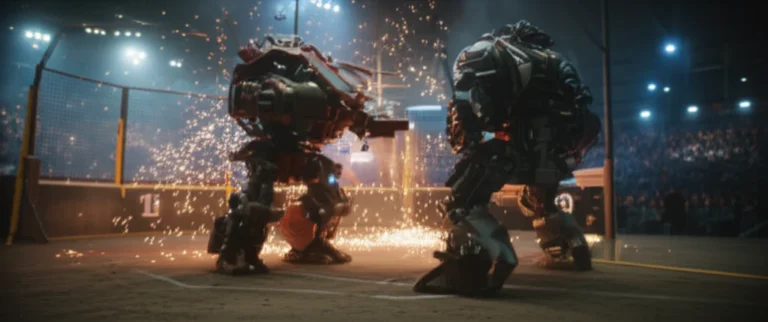
Imagine the roar of the crowd as two custom-built machines, each a masterpiece of engineering and destruction, collide in a steel cage. Sparks fly, metal shatters, and every second counts in a battle where strategy, design, and raw power decide who walks away victorious. But have you ever wondered what really goes on behind the scenes of these electrifying robot fighting tournaments? How do organizers structure the chaos? What rules keep the carnage fair and safe? And how do builders turn their wild ideas into battle-ready bots?
In this comprehensive 2025 guide, we dive deep into the world of robot combat—from the origins of the sport to the nitty-gritty of tournament formats, weight classes, and judging criteria. We’ll reveal insider secrets from top builders and engineers, explore the thrilling arena hazards, and share expert tips to help you jump into the fray or become the ultimate fan. Plus, discover how robot fighting is more than just smashing metal—it’s a vibrant community, a STEM powerhouse, and a global phenomenon.
Curious about how a three-minute match can turn into a high-stakes chess game of destruction? Or how your favorite bots get repaired in the pits between rounds? Stick around—by the end, you’ll know exactly how robot fighting tournaments work and why they captivate millions worldwide.
Key Takeaways
- Robot fighting tournaments are structured by weight classes and strict safety rules to ensure fair and thrilling battles.
- Matches typically last three minutes, with victory by knockout or judges’ decision based on damage, aggression, and control.
- The arena itself is a strategic battlefield, featuring hazards like killsaws and pits that add layers of complexity.
- Building a competitive robot involves careful design, testing, and rapid repairs between rounds—a true test of engineering and teamwork.
- Top leagues like BattleBots and NHRL set the stage for global competition, blending entertainment with cutting-edge robotics innovation.
- The robot combat community is welcoming and educational, making it accessible for beginners and inspiring the next generation of engineers.
Ready to dive into the electrifying world of robot combat? Let’s get started!
Table of Contents
- ⚡️ Quick Tips and Facts: Your Robot Combat Cheat Sheet!
- 🤖 The Roaring History of Robot Combat: From Garages to Global Arenas
- How Robot Fighting Tournaments Really Work: The Core Mechanics
- The Journey to the Arena: From Blueprint to Battle-Ready Bot
- Tournament Structure Unveiled: Navigating the Path to the Nut
- Who Makes the Magic Happen? Key Players in the Robot Combat Ecosystem
- Experiencing the Mayhem: What It’s Like to Be a Robot Fighting Fan
- Beyond the Bots: The Wider Impact of Robot Fighting
- Famous Arenas of Annihilation: A Look at Top Robot Fighting Leagues
- ❌ Common Pitfalls for Aspiring Robot Builders and How to Dodge Them
- ✅ Our Expert Recommendations: Gearing Up for Your First Robot Combat Tournament
- Conclusion: The Enduring Appeal of Robot Fighting
- Recommended Links: Dive Deeper into the World of Bots
- FAQ: Your Burning Questions About Robot Combat Answered
- Reference Links: Our Sources and Further Reading
Here at Robot Fighting™, we live and breathe the glorious pandemonium of mechanized combat. From the spark of an idea on a napkin to the final, triumphant clang of victory in the arena, we’ve seen it all. We’re a team of grizzled robot designers, sharp-as-a-tack engineers, and die-hard fans who believe there’s no purer art form than two custom-built machines tearing each other apart for glory. We’re here to pull back the curtain and show you exactly how the magic—and the mayhem—happens. So, strap in, because you’re about to get the ultimate insider’s guide to the world of robot fighting.
⚡️ Quick Tips and Facts: Your Robot Combat Cheat Sheet!
Pressed for time? Need the high-octane highlights right now? We get it. Here’s the essential intel you need to sound like a seasoned pro at your next robot fighting watch party.
| Fact Category | The Lowdown |
|---|---|
| The Main Goal | Simple: Immobilize or destroy your opponent’s robot within the time limit. No mercy! |
| Match Length | Typically a frantic three minutes. If no one’s knocked out, it goes to the judges. [cite: video] |
| Winning Methods | ✅ Knockout (KO): The opponent can’t show controlled movement for a 10-second count. [cite: video] ✅ Judges’ Decision: Based on Damage, Aggression, and Control. [cite: video] ✅ Tap Out: A team can concede if their bot is toast. |
| Common Weapons | Spinners (vertical & horizontal), flippers, hammers, crushers, and good ol’ fashioned wedges. |
| Weight Classes | They range from tiny 150g “Fairyweights” to the 250lb “Heavyweights” you see on TV shows like BattleBots. [cite: video] |
| Getting Started | The best first step is to attend a local event! [cite: video] Starting small with a 1lb or 3lb kit is a great, affordable entry point. |
| Top Leagues | BattleBots is the big one in the US, while the National Havoc Robot League (NHRL) is a massive proving ground for builders of all levels. |
| Forbidden Tech | ❌ Nets, liquids, fire (usually), EMPs, and projectiles are often banned for being either too messy or “super lame to watch.” [cite: video] |
🤖 The Roaring History of Robot Combat: From Garages to Global Arenas
Ever wonder how this glorious sport of mechanical carnage got started? It wasn’t born in a shiny TV studio. Oh no. It was forged in the fiery crucible of creativity and chaos by garage tinkerers and renegade engineers.
The seeds were planted in the 90s. One of the earliest, most legendary events was Robot Wars in San Francisco. A Facebook post from the official BattleBots page even shows off pictures from “circa 1997-98 Robot Wars San Francisco,” a time when the pioneers of the sport were just figuring things out. These early competitions were the Wild West of robot fighting—raw, unregulated, and utterly brilliant. They laid the groundwork for everything we love today, proving that there was a real appetite for watching custom-built machines go head-to-head.
From those humble, gritty beginnings, the sport exploded. Visionaries saw the potential, and soon, televised events like the UK’s Robot Wars and the USA’s BattleBots brought the spectacle to millions. Suddenly, builders who were once toiling in obscurity were becoming household names, and their mechanical creations were superstars. This evolution from a niche hobby into a global phenomenon is a testament to the incredible innovation and passion within the builder community.
How Robot Fighting Tournaments Really Work: The Core Mechanics
So, you’ve seen the sparks fly on TV, but what’s actually going on behind the scenes? How does a weekend of chaos get organized into a structured tournament? It’s a beautiful blend of engineering prowess, strategic thinking, and a whole lot of rules designed to keep the mayhem (somewhat) contained. Let’s break down the core components.
⚖️ Weight Classes & Combat Divisions: Finding Your Bot’s Perfect Fit
You can’t just show up with a 500-pound behemoth and expect to fight a 1-pound antweight. That’s not a fight; that’s just mean! To ensure fair competition, the sport is divided into weight classes. This is one of the most fundamental aspects of our Robot Combat Rules and Regulations.
Here’s a common breakdown of weight classes you’ll see at events like the NHRL:
| Weight Class | Max Weight | Common Nickname | Our Take |
|---|---|---|---|
| Fairyweight | 150 grams | Fleaweight | 🐜 So small, but so vicious! A great, low-cost entry point. |
| Antweight | 1 pound | – | 🐜 The most popular class for beginners. The community is huge! |
| Beetleweight | 3 pounds | – | 🐞 Things start getting serious here. More power, more destruction. |
| Hobbyweight | 12 pounds | – | 🤖 A fantastic middle ground. Big enough for complex systems. |
| Featherweight | 30 pounds | – | 🦅 A premier class at NHRL. These bots pack a serious punch. |
| Heavyweight | 250 pounds | – | 🐘 The titans you see on BattleBots. The pinnacle of power and engineering. |
Choosing a weight class is the first major decision for any builder. As the “first YouTube video” embedded in this article explains, starting in the smaller classes like 1lb or 3lb can cost just a few hundred dollars, and much of the gear is reusable. [cite: video, #featured-video] It’s the perfect way to learn the ropes without breaking the bank.
📜 The Unwritten Rules of Engagement: Safety, Strategy, and Sportsmanship
Beyond the official rulebook, there’s a code of conduct that governs the sport. Safety is paramount. We’re talking about incredibly powerful machines, so safety checks (or “tech inspections”) are rigorous. Your bot must have a reliable way to be shut down remotely, and weapon locks must be secure in the pits.
But it’s also about sportsmanship. We’re all here for the same reason: a love of creative destruction. You’ll see teams that were just trying to tear each other apart in the arena turn around and lend their opponents spare parts and a helping hand to get ready for the next fight. It’s a community, and that camaraderie is one of the best parts of the sport.
Of course, there are some hard-and-fast rules about what you can’t do. As the video narrator points out, most events ban weapons that are just plain boring or dangerous in an uncontrolled way. [cite: video]
- ❌ Entanglement Devices: Nets are a big no-no. They just stop the fight and are a pain to clean up.
- ❌ Fouling the Arena: No oil, water, or other substances designed to mess up the floor.
- ❌ Unreliable Projectiles: Firing projectiles is almost always banned due to the danger to the arena and audience.
- ✅ Flamethrowers: Sometimes allowed! But usually only gas-based ones in arenas equipped to handle them.
💥 Inside the Steel Cage: Understanding the Arena and Its Deadly Hazards
The battle arena, often called the “BattleBox,” is more than just a cage. It’s an active participant in the fight! Modern arenas are built from bulletproof polycarbonate to contain the shrapnel and keep everyone safe. But inside, it’s a minefield.
Many arenas feature hazards designed to add an extra layer of chaos and strategic depth. These can include:
- Killsaws: Slots in the floor where powerful saws pop up to shred unsuspecting bots.
- Pulverizers: Giant, swinging hammers in the corners that can crush a robot’s chassis.
- The Pit: Some arenas have a pit that opens up. Pushing your opponent in is an instant win! [cite: video]
- The Screws: A BattleBots signature, these powerful screws can grab a bot and feed it towards the pulverizers.
Understanding the arena is a key part of Robot Battle Strategies. A good driver knows not only their own robot’s capabilities but also how to use the arena itself as a weapon.
🏆 The Art of Victory: How Judges Decide a Robot’s Fate
What happens when the three-minute timer runs out and both robots are still standing? It goes to the judges! This is often the most controversial part of the sport, but there’s a clear system in place. While the exact points can vary slightly between tournaments, the core criteria are almost always the same, as explained in the video. [cite: video]
| Judging Criterion | What It Means | Our Expert Take |
|---|---|---|
| Damage | This is the big one. How much visible, functional harm did you inflict on your opponent? | This is weighted most heavily. Cosmetic scratches don’t count for much, but a missing wheel or a dead weapon? That’s huge. The best strategy is usually to rip the other robot apart. [cite: video] |
| Aggression | Are you consistently moving towards your opponent and engaging your weapon? | Judges want to see a fighter, not a runner. Cowering in a corner is a surefire way to lose aggression points. |
| Control | Are you dictating the flow of the match? Are you pushing the other bot around and maneuvering effectively? | This is about who is the “bully” in the arena. If you’re pinning your opponent against the wall and lining up shots, you’re winning on control. |
It’s a delicate balance. A bot can be super aggressive but land no damaging blows, while another might get in one huge, fight-changing hit and win on damage. It makes for thrilling, unpredictable matches!
The Journey to the Arena: From Blueprint to Battle-Ready Bot
Every champion robot you see in the arena started as a simple idea. The journey from a sketch to a battle-hardened machine is a grueling but incredibly rewarding process of design, fabrication, and testing. This is where the real magic happens, long before the cameras start rolling.
🛠️ Crafting Your Champion: The Robot Design & Engineering Process
It all begins with a question: “How do I want to destroy other robots?” The answer to that question will define your entire build. Are you a spinner, a flipper, a control bot? This is the heart of Robot Design and Engineering.
- Conceptualization: This is the brainstorming phase. You’ll decide on your weapon type, drive system (how many wheels?), and overall shape. Will you be a compact, armored brick or a wide, low-to-the-ground wedge?
- CAD (Computer-Aided Design): Before you cut a single piece of metal, you build your robot digitally. Using software like SOLIDWORKS, Fusion 360, or Onshape, you can model every part, ensure everything fits, and calculate your final weight. This step is CRUCIAL for avoiding costly mistakes.
- Material Selection: Do you use AR500 steel for armor? Titanium for a weapon? Aluminum for the frame to save weight? Each choice is a trade-off between durability, weight, and cost.
- Component Sourcing: Now it’s time to shop! You’ll need motors for your drive and weapon, an Electronic Speed Controller (ESC) to control them, a radio receiver, batteries (usually LiPo), and all the nuts and bolts to hold it together.
Ready to start sourcing parts for your build?
- 👉 Shop Motors & ESCs on: Amazon | Walmart
- 👉 Shop Radio Transmitters on: Amazon | Walmart
- 👉 Shop Building Materials on: Amazon
🧪 Build, Break, Rebuild: The Crucial Phase of Testing and Iteration
Your CAD model is perfect, and your parts have arrived. Now, the real work begins. Assembling a combat robot is a masterclass in problem-solving. Things rarely fit perfectly the first time. Wires need to be routed, components need to be secured against massive impacts, and everything needs to be accessible for quick repairs.
Once it’s built, you have to test it. And we don’t mean just driving it around your living room. You need to spin that weapon up to full speed (safely, in a test box!) and see if anything rattles loose. Drive it full speed into a wall. Does it survive? If something breaks, that’s a good thing! It’s far better to find a weak point in your workshop than in the arena. This is the core loop of DIY Robot Building: build, break, and rebuild stronger.
📝 Signing Up for Glory: Registration, Qualification, and the Road to Entry
So you have a working, tested robot. How do you get into a tournament? For most local and regional events, it’s as simple as finding the event on a site like RobotCombatEvents.com, reading the rules, and signing up.
For the big leagues, it’s a different story. Getting into BattleBots requires a detailed application process where you have to prove your robot is innovative, powerful, and entertaining. For a league like the NHRL, you compete in regular season events to earn a spot in the prestigious World Championships. As they state, “28 bots in each weight class have qualified for the right to duke it out for the Golden Brett.” It’s a true meritocracy where only the best of the best get a shot at the ultimate prize.
Tournament Structure Unveiled: Navigating the Path to the Nut
The day of the tournament is an electric mix of adrenaline, frantic repairs, and pure excitement. Understanding how the competition flows is key to following the action. Whether you’re a builder or a fan, knowing the bracket is half the battle.
📊 Bracketology 101: Understanding Single, Double, and Round Robin Eliminations
Not all tournaments are structured the same way. The format dramatically affects a team’s strategy.
- Single Elimination: The most brutal format. You lose once, and you’re out. It’s high-stakes and unforgiving, but it makes for incredibly tense matches.
- Double Elimination: This is the most common format in robot combat. If you lose once, you drop to a “losers’ bracket.” You can still fight your way back to the finals, but a second loss eliminates you. This gives teams a second chance if they have a bad match or a technical failure.
- Round Robin: Common in smaller groups. Every robot fights every other robot in their group once. The robot(s) with the best win-loss record advance. This is great for ensuring everyone gets to fight multiple times.
⏱️ The Thrill of the Fight: Pre-Match Prep, Combat Chaos, and Post-Match Analysis
The moments before a fight are a whirlwind of activity. Teams are in the pits, charging batteries, sharpening weapons, and making last-minute strategy adjustments. Once your bot is staged behind the arena doors, there’s nothing left to do but take a deep breath.
Then, the lights go down, the crowd roars, and the announcer screams, “It’s robot fighting time!” For the next three minutes, it’s pure, unadulterated chaos. You’re trying to execute your game plan while reacting to your opponent’s every move. It’s a high-speed chess match with sledgehammers. You can watch hundreds of examples in our Robot Combat Videos archive.
After the fight, win or lose, the work isn’t over. You rush your mangled bot back to the pits and immediately assess the damage. What broke? Why did it break? And how fast can you fix it?
🔧 The Pit Crew’s Prowess: Repairing Your Robot Between Rounds
The “pits” are the heart and soul of any robot combat event. It’s a bustling garage filled with teams frantically working to get their machines ready for the next fight. The turnaround time can be incredibly short—sometimes less than an hour!
This is where a well-designed robot truly shines. Can you replace a bent weapon or a dead motor quickly? Are your electronics modular and easy to swap out? A team’s ability to repair their robot under pressure is just as important as their driving skill. We’ve seen championships won and lost in the pits. It’s a testament to the endurance and ingenuity of the builders.
Who Makes the Magic Happen? Key Players in the Robot Combat Ecosystem
While the robots are the stars of the show, an entire army of dedicated people brings a tournament to life. From the builders who pour their hearts into their machines to the commentators who narrate the carnage, each role is essential to the spectacle.
👷 The Masterminds Behind the Machines: Builders, Teams, and Their Dedication
These are the heroes of the sport. They are engineers, artists, mechanics, and strategists all rolled into one. They spend countless hours and their own money to pursue a wild dream: building the best fighting robot in the world. A team can be a single person toiling away in their garage or a large group of friends and family, each with a specialized role—driver, mechanic, strategist. Their passion is the fuel that powers the entire sport.
🧑 ⚖️ The Arbiters of Anarchy: Judges, Referees, and Fair Play
The referee is the authority inside the arena. They start and stop the fight, conduct the knockout counts, and ensure the rules are followed. They have the tough job of keeping the action safe and fair amidst the chaos.
The judges have an even tougher job. When a fight goes the distance, they must render a verdict based on the Damage, Aggression, and Control criteria. It’s a high-pressure role that requires a deep understanding of the sport and an impartial eye.
🎤 The Voices of Valor: Commentators and Production Crew Bringing the Action Home
For fans watching at home, the commentators are their guides to the action. They break down the strategies, explain the technical aspects of the bots, and convey the excitement of the fight. A great commentary team, like the iconic duos from BattleBots and Robot Wars, elevates the viewing experience from a simple fight to an epic story.
Behind them is a massive production crew—camera operators, sound engineers, and directors—who capture every spark, every impact, and every moment of triumph and despair, packaging it into the thrilling broadcasts we all love. Leagues like the NHRL even partner with networks like Cheddar to bring their high-quality broadcasts to a wider audience.
Experiencing the Mayhem: What It’s Like to Be a Robot Fighting Fan
Being a fan of robot combat is a unique experience. It’s a sport that appeals to our love of engineering, competition, and, let’s be honest, spectacular destruction. Whether you’re in the stands or watching from your couch, you’re part of a passionate global community.
🏟️ Live vs. Screen: The Spectacle of Attending a Robot Combat Event
Watching robot fighting on TV is fantastic, but nothing compares to being there live. You don’t just see the fight; you feel it. The ground shakes when two heavyweights collide. You can hear the screech of metal on metal and smell the ozone in the air from the electronics.
Attending an event like the NHRL World Championships allows you to walk through the pits, talk to the builders, and see the robots up close. You get a true appreciation for the scale and complexity of these machines. It’s an unforgettable experience that we recommend to every fan.
🤝 Joining the Fray: Fan Engagement, Community, and the Love of the Bots
The robot combat community is one of the most welcoming and engaging in all of sports. Fans and builders interact constantly, sharing ideas, debating designs, and celebrating incredible moments.
- Online Communities: The Combat Robotics Facebook group is a massive hub for fans and builders to connect. [cite: video] Here, you can ask questions, share your own designs, and learn from the best in the sport.
- Supporting Builders: Many teams have their own social media pages, YouTube channels, and merchandise. Following and supporting your favorite teams is a great way to engage with the sport on a deeper level.
- Fantasy Leagues: Yes, there are even fantasy robot combat leagues! You can draft a team of your favorite bots and compete against friends throughout a season, adding another layer of fun to every fight.
Beyond the Bots: The Wider Impact of Robot Fighting
It might look like pure entertainment, but robot combat has a significant and positive impact that extends far beyond the arena. It’s a catalyst for innovation, an inspiration for education, and a unique business ecosystem.
💡 Sparking Innovation: How Combat Robotics Drives Engineering Advancements
The intense competition of robot fighting pushes the boundaries of technology. Builders are constantly experimenting with new materials, more powerful motor configurations, and more efficient battery systems. The brushless motors and LiPo batteries that are now standard in the sport were once cutting-edge tech. This relentless drive to gain a competitive edge often leads to advancements that can be applied to other fields of robotics and engineering.
🎓 STEM in Action: Inspiring the Next Generation of Engineers and Scientists
What’s the best way to get kids interested in Science, Technology, Engineering, and Math (STEM)? Show them a robot with a giant spinning blade! Robot combat is a perfect, high-energy demonstration of physics, electronics, and design principles.
Leagues like the NHRL actively seek partners who are aligned with promoting STEAM education. Many builders, like the team behind the Witch Doctor robot, even create educational content and kits, such as the “Witch Doctor Junior” playlist, to help guide young, aspiring engineers. [cite: video] It makes learning fun and shows a direct, exciting application of what’s taught in the classroom.
💰 The Business of Battle: Sponsorships, Merch, and Making Robot Fighting Sustainable
Running a top-tier fighting robot is not cheap. To offset the costs, teams often rely on sponsorships from companies that want to reach an audience of tech-savvy, creative individuals. You’ll see logos from machining companies, electronics suppliers, and software firms plastered all over the bots.
Furthermore, popular teams can build a brand, selling t-shirts, stickers, and even miniature versions of their robots to a dedicated fanbase. This entrepreneurial side of the sport allows the best and most popular teams to make their passion a sustainable endeavor, ensuring they can keep coming back year after year to put on a great show.
Famous Arenas of Annihilation: A Look at Top Robot Fighting Leagues
While the spirit of robot combat is universal, different leagues offer their own unique flavor of destruction. From the glitz and glamour of televised championships to the grassroots grit of regional events, there’s an arena for every kind of fan and builder.
🇺🇸 BattleBots: The Premier League of Robot Combat
When most people think of robot fighting, they think of BattleBots. It’s the biggest stage, with the biggest robots, and the biggest television audience. Competing in BattleBots is the ultimate goal for many builders. The iconic “Giant Nut” trophy is the most coveted prize in the sport. The show’s high production values, expert commentary, and cast of charismatic builders have made it a global phenomenon.
🇬🇧 Robot Wars: The UK’s Iconic Clash of Steel
For fans in the UK and across the world, Robot Wars was the original and, for many, still the best. With its legendary “House Robots” like Sir Killalot and Matilda patrolling the arena, the show had a unique and beloved format. While it’s not currently on the air, its legacy is immense, and it was responsible for inspiring an entire generation of engineers and robot builders.
🌍 Global Gladiators: Exploring Regional and International Robot Fighting Competitions
The world of robot combat is vast! Beyond the big TV shows, there are hundreds of incredible events happening all the time.
- National Havoc Robot League (NHRL): Based in Norwalk, Connecticut, NHRL has rapidly become one of the most important leagues in the world. They host frequent events for 3lb, 12lb, and 30lb bots, culminating in a massive World Championship for the “Golden Brett.” Their focus on accessibility and high-quality streaming has made them a cornerstone of the modern sport.
- RoboGames: Often called the “Olympics of Robot Combat,” RoboGames is a multi-day event in California that features not just combat, but dozens of different robotic sports.
- King of Bots (KOB): A Chinese league that features heavyweight combat on a scale that rivals BattleBots, with its own unique arena hazards and superstar builders.
❌ Common Pitfalls for Aspiring Robot Builders and How to Dodge Them
Embarking on your first robot build is an exciting adventure, but it’s easy to make a few rookie mistakes. Here at Robot Fighting™, we’ve made all of them, so you don’t have to!
- ❌ Overly Complex Designs: It’s tempting to want a robot with five different weapons and an articulating arm. Don’t. For your first bot, keep it simple and robust. A solid wedge or a simple spinning bar is much more likely to survive a match than a complex machine that’s trying to do too much.
- ❌ Neglecting the Drive System: New builders often focus all their attention on the weapon. Big mistake! If you can’t move, you can’t fight. A powerful, reliable drive system is the foundation of any good combat robot.
- ❌ Ignoring Weight: You’ll be amazed at how quickly the weight adds up. Weigh every single component as you design and build. Having to drill holes in your beautiful armored chassis at the last minute to make weight is a painful rite of passage we can help you avoid.
- ❌ Not Reading the Rules: Every tournament has a specific ruleset. Read it carefully! Showing up with a bot that isn’t compliant with the safety regulations is a surefire way to not compete at all. Check out our general guide on Robot Combat Rules and Regulations to get started.
- ❌ Skimping on Spares: Things will break. It’s a guarantee. Bring spare motors, wheels, batteries, and any other component you think might fail. A good stock of spares can be the difference between going home after one fight and making it to the finals.
✅ Our Expert Recommendations: Gearing Up for Your First Robot Combat Tournament
Ready to jump into the fray? Awesome! Here is our battle-tested advice for getting started on the right foot.
- ✅ Start Small: We can’t stress this enough. Build a 1lb Antweight or 3lb Beetleweight first. The community is huge, the parts are relatively inexpensive, and the lessons you learn will be invaluable when you decide to build a bigger bot.
- ✅ Buy a Kit: For your very first robot, consider buying a kit. Companies like FingerTech Robotics and Botkits offer fantastic starter kits that take the guesswork out of component selection. It’s a great way to learn the fundamentals of assembly and wiring.
- ✅ Attend an Event First: As the video guide wisely suggests, the absolute best thing you can do is go to an event as a spectator. [cite: video] Talk to builders, ask questions, and see what designs are effective in person. You’ll gain a ton of insight just by being there.
- ✅ Join the Community: Get on the Combat Robotics Facebook group. [cite: video] Don’t be afraid to ask “dumb” questions. The community is incredibly helpful and eager to welcome new members.
- ✅ Focus on Fun: You probably won’t win your first tournament. And that’s okay! The goal is to learn, have fun, and make it through a few fights without your robot completely disintegrating. Celebrate the small victories, like landing a good hit or surviving a full three-minute match. Welcome to the most thrilling sport on the planet
Conclusion: The Enduring Appeal of Robot Fighting

There you have it—the full throttle, no-holds-barred breakdown of how robot fighting tournaments work, from the spark of an idea to the final, glorious clang of victory. Whether you’re a curious fan, an aspiring builder, or a seasoned veteran, robot combat offers something truly unique: a thrilling blend of engineering, strategy, and pure, explosive entertainment.
We’ve taken you through the history, the rules, the engineering challenges, the tournament formats, and the passionate community that makes this sport so special. Remember, every champion bot started as a simple sketch and a dream. The path to the arena is paved with trial, error, and relentless innovation. But it’s also a journey filled with camaraderie, creativity, and the joy of watching machines dance a deadly ballet.
If you’re itching to get started, our expert recommendations will help you avoid the common pitfalls and set you on the right track. And if you’re a fan, now you know exactly what to look for when the bots clash in the arena.
So, what’s next? Will you build your own mechanical gladiator? Or maybe just tune in to watch the next big tournament? Whatever you choose, one thing’s for sure: robot fighting is here to stay, and the best battles are yet to come.
Recommended Links: Dive Deeper into the World of Bots
Ready to gear up or dive deeper into the art and science of robot fighting? Check out these handpicked resources and products to fuel your passion and build your dream bot!
-
Motors & ESCs:
Amazon Search: Brushless DC Motor for Combat Robot | Walmart Search: Brushless DC Motor for Combat Robot -
Radio Transmitters & Receivers:
Amazon Search: RC Radio Transmitter and Receiver | Walmart Search: RC Radio Transmitter and Receiver -
Building Materials (AR500 Steel, Titanium, Aluminum):
Amazon Search: AR500 Steel Plate | Walmart Search: Steel Plate -
Robot Building Kits:
- FingerTech Robotics Kits: FingerTech Official Website
- Botkits Starter Kits: Botkits Official Website
-
Books on Combat Robotics & Engineering:
- Robot Builder’s Bonanza by Gordon McComb — Amazon Link
- Make: Combat Robots by Mark J. Setrakian — Amazon Link
- Robot Fighting: Build Your Own Combat Robot by David Cook — Amazon Link
-
Watch Robot Combat Videos:
Robot Combat Videos on Robot Fighting™
FAQ: Your Burning Questions About Robot Combat Answered

What are the rules and regulations in robot fighting tournaments?
Robot fighting tournaments operate under strict rules designed to ensure safety, fairness, and exciting competition. These rules cover everything from weight classes, weapon restrictions, safety features (like mandatory remote kill switches), to arena boundaries and prohibited tactics (such as entanglement devices or projectiles). Each league may have its own detailed rulebook—for example, BattleBots Rules and NHRL Rules—but all prioritize competitor safety and spectator enjoyment. Builders must carefully study and comply with these regulations to compete.
Read more about “Middleweight Robots: The Ultimate Guide to Battle-Ready Bots (2025) 🤖”
How are robots designed and built for fighting competitions?
Designing a combat robot is a multidisciplinary engineering challenge. Builders start with conceptualizing the weapon type and drive system, then move to CAD modeling to optimize weight and fit. Material selection balances durability and weight, often using AR500 steel or titanium for armor and weaponry. Components like brushless motors, ESCs, LiPo batteries, and radio control systems are sourced and integrated. The build phase includes assembly, wiring, and rigorous testing to ensure reliability under extreme stress. Iteration is key—bots are built, tested, broken, and rebuilt stronger. Our Robot Design and Engineering category is packed with detailed guides.
Read more about “Heavyweight Robots Unleashed: 7 Titans of the Robot Arena (2025) 🤖”
What types of weapons are allowed in robot fighting leagues?
Allowed weapons vary by league but typically include spinning discs, hammers, flippers, crushers, and wedges. Most leagues ban weapons that pose excessive safety risks or disrupt the flow of combat, such as nets, liquids, fire (except controlled flamethrowers), and projectiles. The goal is to keep fights fast-paced and visually spectacular without endangering participants or damaging the arena. For specifics, consult the rules of your target league.
Read more about “What Are the 5 Most Popular Robot Fighting Leagues Worldwide? 🤖 (2025)”
How do judges score and determine the winner in robot battles?
When a match goes the full time without a knockout, judges score based on three main criteria: Damage, Aggression, and Control. Damage assesses how much functional harm was inflicted; aggression rewards consistent offensive action; control measures how well a robot dictates the fight’s pace and positioning. Damage typically carries the most weight. This scoring system ensures that both offensive prowess and tactical skill are rewarded.
Read more about “Is There a Robot Fighting League? 10 Epic Leagues You Must Know in 2025 🤖🔥”
What safety measures are in place during robot fighting events?
Safety is paramount. Robots must pass thorough tech inspections, including checks for secure weapon locks, reliable remote kill switches, and compliance with weight and size limits. Arenas are enclosed with bulletproof polycarbonate walls to contain debris. Referees monitor fights closely and can stop matches if a bot becomes uncontrollable or unsafe. Additionally, hazardous arena features are designed with safety in mind, and audience areas are well protected.
Read more about “⚔️ Ultimate Guide to Robot Fighting Rules & Regulations (2025)”
Can beginners participate in robot fighting tournaments?
Absolutely! Many leagues encourage beginners by offering lightweight classes (like 1lb Antweight or 3lb Beetleweight) and beginner-friendly events. Starter kits from companies like FingerTech Robotics make entry accessible. Attending events as a spectator and joining online communities such as the Combat Robotics Facebook group are great ways to learn and connect. Starting small and focusing on learning is the best path to success.
Read more about “Unleash the Battle: 10 Best Free Robot Fighting Games 🤖 …”
What are the most popular robot fighting leagues around the world?
The biggest and most famous leagues include:
- BattleBots (USA): The premier televised league featuring heavyweight robots and global stars. battlebots.com
- National Havoc Robot League (NHRL, USA): Known for accessibility and high-quality streaming, with multiple weight classes and a growing global presence. nhrl.io
- Robot Wars (UK): The iconic British series famous for its house robots and unique arena hazards.
- King of Bots (China): A heavyweight league with a distinct style and massive arena.
- RoboGames (USA): A multi-robotics event featuring combat alongside other robotic sports.
Read more about “Top 10 Robot Fighting Teams Dominating the Arena in 2025 🤖🔥”
Reference Links: Our Sources and Further Reading
- BattleBots History: Circa 1997-98 Robot Wars San Francisco
- BattleBots Official Website
- National Havoc Robot League (NHRL) Official Site
- Robot Wars (UK) Wikipedia
- FingerTech Robotics Official Website
- Robot Combat Rules and Regulations on Robot Fighting™
- Robot Design and Engineering on Robot Fighting™
- Robot Combat Videos on Robot Fighting™
Ready to dive deeper or start building? The arena awaits! ⚔️🤖