Support our educational content for free when you buy through links on our site. Learn more
RFL Uncovered: 12 Expert Secrets to Master Robot Fighting Leagues 🤖 (2026)

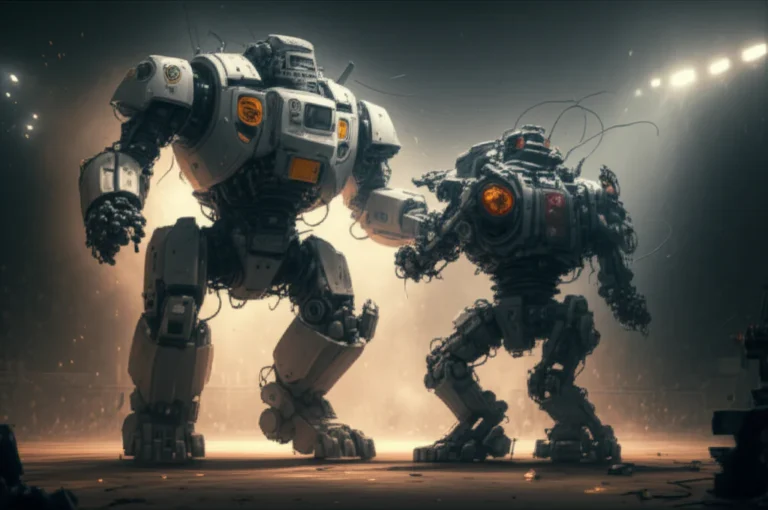
Step into the electrifying universe of Robot Fighting Leagues (RFLs)—where metal titans clash, sparks fly, and engineering genius meets raw adrenaline! Whether you’re a curious newcomer or a battle-hardened builder, this ultimate guide from the Robot Fighting™ team unpacks everything you need to know about RFLs. From the origins of robot combat to advanced weapon strategies, and from choosing your first bot components to insider tips on dominating the arena, we’ve got you covered.
Did you know that the global robot combat audience has grown exponentially, with major leagues like BattleBots drawing millions of viewers worldwide? But behind every epic smash is a story of innovation, trial, and triumph. We’ll share our favorite anecdotes, including how a rookie builder’s clever armor design stunned a spinner bot, proving that brains often beat brawn. Plus, stick around for our deep dive into the best motors, ESCs, and armor materials that can turn your bot from scrap metal into a champion.
Ready to build, battle, and belong to the most thrilling community in robotics? Let’s dive in!
Key Takeaways
- RFLs are competitive arenas where custom-built robots battle across multiple weight classes, from tiny Antweights to massive Heavyweights.
- Success hinges on balancing durability, mobility, and weaponry, backed by quality electronics and smart driving tactics.
- Safety and community are foundational—strict rules protect builders and spectators, while the RFL family supports innovation and mentorship.
- Top leagues like BattleBots and Robot Wars set the stage for cutting-edge designs and fierce competition.
- Choosing the right components—from AndyMark motors to Castle Creations ESCs—can make or break your bot’s performance.
- Advanced strategies include weapon system mastery, drive system optimization, and tactical driving skills.
- The future of RFLs promises AI integration, new materials, and immersive spectator experiences.
Curious about which motors and armor materials our experts swear by? Or how to avoid common rookie mistakes? Keep reading for all this and more!
Table of Contents
- ⚡️ Quick Tips and Facts for Robot Fighting Leagues (RFLs)
- 🤖 The Roaring Arena: A Brief History of Robot Fighting Leagues (RFLs)
- 💥 What Exactly Is an RFL? Decoding the Robot Combat Phenomenon
- ❤️ Why We Love RFLs: The Thrill, The Engineering, The Community
- 🛠️ Getting Started in Robot Combat: Your First Steps into the RFL World
- 1. Choosing Your Weight Class: From Antweights to Heavyweights
- 2. Essential Tools and Workspace Setup for Robot Builders
- 3. Basic Robot Design Principles: Durability, Mobility, Weaponry
- 4. Sourcing Combat Robot Components: Where to Find the Best Parts
- 5. Safety First: Building and Operating Your Combat Robot Responsibly
- 🚀 Advanced RFL Strategies: Dominating the Arena with Expert Tactics
- 1. Weapon Systems Deep Dive: Flippers, Spinners, Crushers, and More
- 2. Drive Systems: Speed, Torque, and Maneuverability in Robot Combat
- 3. Armor and Survivability: Protecting Your Precious Bot in the RFL
- 4. The Art of Driving: Tactics and Mind Games in Robot Fighting
- 5. Software and Electronics: The Brains of the Operation for Competitive Robotics
- 🏆 The Big Leagues: Top RFL Events and Organizations You Need to Know
- ⚙️ Behind the Scenes: The Unsung Heroes of RFLs and Robot Combat Events
- 👀 Spectating an RFL: How to Get the Most Out of the Live Robot Fighting Experience
- 🔮 The Future of Robot Fighting: What’s Next for RFLs and Combat Robotics?
- 🚧 Common Pitfalls and How to Avoid Them in RFL Combat
- 🛒 Building Your Dream Bot: Our Top Recommended Components & Brands for RFL Success
- 1. Motors and Gearboxes: The Heart of Your Robot’s Drive
- 2. ESCs (Electronic Speed Controllers): Precision Control for Your Bot
- 3. Batteries and Chargers: Powering Your Robot to Victory
- 4. Radio Systems: Your Command Center for Robot Fighting
- 5. Materials for Armor and Chassis: Building an Indestructible Machine
- 🏁 Conclusion: The Heart of the Machine, The Soul of the Fight
- 🔗 Recommended Links: Dive Deeper into the RFL Universe
- ❓ FAQ: Your Burning RFL Questions Answered
- 📚 Reference Links: Our Sources and Further Reading on Robot Combat
⚡️ Quick Tips and Facts for Robot Fighting Leagues (RFLs)
Welcome to the thrilling world of Robot Fighting Leagues (RFLs)—where sparks fly, metal clashes, and engineering prowess meets adrenaline-fueled competition! Whether you’re a newbie builder or a seasoned bot wrangler, here are some quick nuggets from our Robot Fighting™ team to get you revved up:
- RFLs are organized competitions where custom-built robots battle in arenas designed for destruction and strategy.
- Weight classes range from tiny Antweights (1 lb) to hulking Heavyweights (up to 250 lbs or more)—choose your battlefield wisely!
- Key robot components: motors, batteries, weapon systems, chassis materials, and radio controls.
- Safety is paramount: RFLs enforce strict rules on weapon power, arena design, and operator conduct.
- Popular RFL events: BattleBots, Robot Wars, and countless local leagues worldwide.
- Building a competitive bot requires a blend of mechanical skill, electronics know-how, and battle strategy.
- Common robot weapon types: spinning discs, flippers, hammers, crushers, and wedges.
- Driving skill often trumps raw power: a nimble bot can outmaneuver a stronger opponent.
- Community is king: RFLs foster camaraderie, mentorship, and innovation.
Curious about how to jump in? Or what makes a winning bot? Keep reading—we’ll unpack every gear and circuit in this ultimate RFL guide! For a deep dive into robot combat basics, check out our Robot Fighting overview.
🤖 The Roaring Arena: A Brief History of Robot Fighting Leagues (RFLs)

Robot fighting is not just a modern spectacle; it’s a saga of human ingenuity and competitive spirit. Here’s a quick timeline to get you up to speed:
- Early 1990s: The concept of robot combat took shape with grassroots events like the original Robot Wars in the UK and the Robot Fighting League in the US.
- 2000s: The rise of televised events like BattleBots brought robot combat to mainstream audiences, inspiring a new generation of builders.
- 2010s: Explosion of local and international RFLs, with improved safety standards and more sophisticated bots.
- Today: Robot fighting is a global phenomenon with professional leagues, streaming events, and a passionate fanbase.
Our team remembers the first time we saw a spinner bot obliterate its opponent on TV—it was like watching a gladiator wielding a chainsaw! That moment hooked us for life. Want to know how the tech evolved? Dive into our Robot Design and Engineering section.
💥 What Exactly Is an RFL? Decoding the Robot Combat Phenomenon
At its core, an RFL (Robot Fighting League) is an organized competition where custom-built robots duke it out in a controlled arena. But it’s so much more than that:
- Competitive Sport: Like any sport, RFLs have rules, referees, and scoring systems.
- Engineering Challenge: Builders design robots to withstand punishment while delivering knockout blows.
- Entertainment: Spectators enjoy the spectacle of destruction, strategy, and innovation.
- Community Hub: RFLs bring together hobbyists, engineers, students, and fans.
RFLs vary in scale from backyard battles to professionally televised tournaments. The Robot Fighting League in the US is one of the oldest and most respected organizations, setting standards for safety and competition.
Wondering how these leagues keep things fair and safe? Check out our detailed Robot Combat Rules and Regulations for the full scoop.
❤️ Why We Love RFLs: The Thrill, The Engineering, The Community
Why do we at Robot Fighting™ geek out over RFLs? Here’s our love letter to this electrifying world:
- The Thrill: Nothing beats the adrenaline rush of seeing your creation smash, flip, or shred an opponent.
- The Engineering: It’s a playground for creativity—combining mechanics, electronics, software, and materials science.
- The Community: From mentoring rookies to swapping war stories, the RFL family is tight-knit and supportive.
- The Learning: Every battle is a lesson in physics, strategy, and resilience.
- The Innovation: RFLs push the boundaries of what’s possible in robotics, inspiring breakthroughs beyond the arena.
Our team’s favorite memory? Watching a rookie builder’s bot survive a brutal spinner attack thanks to clever armor design—a true underdog story that still gives us chills.
🛠️ Getting Started in Robot Combat: Your First Steps into the RFL World
Ready to build your first battle bot? Here’s a step-by-step guide from our robot designers and engineers to get you rolling:
1. Choosing Your Weight Class: From Antweights to Heavyweights
Weight class determines the size, power, and complexity of your bot. Here’s a quick rundown:
| Weight Class | Max Weight | Typical Bot Size | Complexity Level | Popular For |
|---|---|---|---|---|
| Antweight | 1 lb | Small, palm-sized | Beginner | Quick builds, low cost |
| Beetleweight | 3 lb | Small | Beginner-Intermediate | Fast-paced fights |
| Featherweight | 30 lb | Medium | Intermediate | More weapon options |
| Lightweight | 60 lb | Larger | Advanced | Serious competition |
| Middleweight | 120 lb | Large | Advanced | High power, complex bots |
| Heavyweight | 250 lb+ | Very large | Expert | Professional leagues |
Pro tip: Start small! Antweights and Beetleweights are perfect for learning the ropes without breaking the bank.
2. Essential Tools and Workspace Setup for Robot Builders
You don’t need a full factory, but a well-organized workspace is key:
- Basic tools: Screwdrivers, pliers, wire cutters, soldering iron, multimeter.
- Power tools: Drill, Dremel rotary tool, small saws.
- Safety gear: Eye protection, gloves, fire extinguisher.
- Workbench: Stable surface with good lighting.
- Storage: Organizers for screws, parts, and electronics.
Our engineers swear by a dedicated corner with pegboards and labeled bins—it saves hours hunting for that elusive hex wrench!
3. Basic Robot Design Principles: Durability, Mobility, Weaponry
Building a bot is a balancing act between:
- Durability: Armor and chassis materials that can absorb hits.
- Mobility: Drive systems that provide speed and maneuverability.
- Weaponry: Effective offensive systems that can disable opponents.
We recommend starting with a simple wedge design—easy to build, great for pushing and flipping opponents.
4. Sourcing Combat Robot Components: Where to Find the Best Parts
Here’s where our team sources parts:
| Component | Recommended Brands & Sources | Notes |
|---|---|---|
| Motors | AndyMark, VEX Robotics | High torque, reliable |
| ESCs | Castle Creations, Hobbywing | Smooth control, programmable |
| Batteries | Turnigy, Venom | LiPo packs preferred for power-to-weight ratio |
| Radio Systems | Spektrum, Futaba | Low latency, robust signal |
| Armor Materials | 6061 aluminum, titanium, UHMW polyethylene | Balance weight and durability |
👉 CHECK PRICE on:
- AndyMark Motors: Amazon | AndyMark Official Website
- Castle Creations ESCs: Amazon | Castle Creations Official Website
- Turnigy Batteries: Amazon | HobbyKing
5. Safety First: Building and Operating Your Combat Robot Responsibly
Safety isn’t just a rule—it’s a mindset:
- Always follow RFL safety guidelines for weapon power limits and arena design.
- Use failsafe electronics to cut power if control is lost.
- Wear protective gear during testing and battles.
- Keep a fire extinguisher handy—batteries and motors can overheat.
- Never operate your bot unattended.
Our team once witnessed a battery fire during testing—thankfully, quick action prevented disaster. Learn from our close call!
🚀 Advanced RFL Strategies: Dominating the Arena with Expert Tactics
Ready to level up? Here’s how champions think:
1. Weapon Systems Deep Dive: Flippers, Spinners, Crushers, and More
| Weapon Type | Description | Pros | Cons | Famous Bots Using |
|---|---|---|---|---|
| Flipper | Pneumatic or electric arm that flips opponents | Can incapacitate quickly, crowd-pleaser | Complex, heavy pneumatics | Tombstone (BattleBots) |
| Spinner | High-speed rotating disc or bar | Devastating damage | Risk of self-damage, high power draw | Witch Doctor (BattleBots) |
| Crusher | Hydraulic or mechanical clamp | Immobilizes opponents | Slow, heavy | Bite Force (BattleBots) |
| Hammer | Swinging arm to strike | Simple, effective | Limited range | Warhead (Robot Wars) |
| Wedge | Low-profile pushing tool | Great for control | Minimal damage | Bronco (BattleBots) |
Expert tip: Match your weapon to your driving style and weight class. Spinners dominate in heavyweights, while flippers shine in lighter classes.
2. Drive Systems: Speed, Torque, and Maneuverability in Robot Combat
- Tank drive: Two independently controlled tracks or wheels; great for turning on a dime.
- Omniwheel/mecanum: Allows strafing sideways; complex but highly maneuverable.
- Four-wheel drive: Balanced speed and control.
Our engineers recommend high torque motors paired with quality ESCs for responsive control. Check out our Robot Battle Strategies for driving tips.
3. Armor and Survivability: Protecting Your Precious Bot in the RFL
- Use layered armor: hard outer shell (e.g., titanium) with shock-absorbing inner layers (e.g., UHMW).
- Reinforce vulnerable areas like wheels and weapon mounts.
- Design for easy repair: modular parts that can be swapped quickly.
Our team’s favorite armor combo is 6061 aluminum for chassis and UHMW polyethylene for impact zones—lightweight yet tough.
4. The Art of Driving: Tactics and Mind Games in Robot Fighting
- Control the arena: push opponents into hazards or corners.
- Feint attacks to bait mistakes.
- Conserve battery power for the final rounds.
- Know your bot’s limits and avoid risky maneuvers.
We once saw a driver win a match by patiently outmaneuvering a faster opponent—proof that brains beat brawn.
5. Software and Electronics: The Brains of the Operation for Competitive Robotics
- Use programmable ESCs for fine motor control.
- Integrate sensors for telemetry and diagnostics.
- Consider autonomous or semi-autonomous features for advanced tactics.
Our engineers love open-source platforms like Arduino and Raspberry Pi for prototyping control systems. For more, explore our DIY Robot Building guides.
🏆 The Big Leagues: Top RFL Events and Organizations You Need to Know
Ready to see the best of the best? Here’s where the action happens:
1. BattleBots: The Global Robot Combat Phenomenon
- Location: USA
- Format: Televised tournament with weight classes and knockout rounds.
- Notable Bots: Tombstone, Bite Force, Bronco.
- Why Watch: High production value, intense battles, and innovative designs.
- More info: BattleBots Official Site
2. Robot Wars (UK): A Legacy of Destruction and Innovation
- Location: UK
- Format: Classic arena battles with house robots and hazards.
- Legacy: Inspired generations of builders since the 1990s.
- Notable Bots: Razer, Chaos 2, Hypno-Disc.
- More info: Robot Wars Wiki
3. Smaller, Local RFLs: Where Legends Begin and Skills are Honed
- Local leagues and university clubs provide accessible entry points.
- Great for testing designs and gaining experience.
- Often have unique rules and creative arenas.
Our team started at a local RFL in our garage—those early battles taught us more than any textbook!
⚙️ Behind the Scenes: The Unsung Heroes of RFLs and Robot Combat Events
While bots steal the spotlight, many dedicated folks keep the show running:
- Event organizers: Coordinate logistics, safety, and scheduling.
- Referees: Enforce rules and ensure fair play.
- Pit crews: Rapid repairs and strategy adjustments between rounds.
- Volunteers: Setup, teardown, and audience engagement.
Our team has volunteered at numerous events—trust us, it’s as intense and rewarding as driving a bot!
👀 Spectating an RFL: How to Get the Most Out of the Live Robot Fighting Experience
Whether you’re at the arena or watching online, here’s how to maximize your robot combat experience:
1. Understanding the Rules and Scoring in Competitive Robotics
- Matches usually last 3 minutes or until a knockout.
- Points awarded for aggression, control, damage, and strategy.
- Some leagues allow judges’ decisions if no clear winner emerges.
Knowing the rules helps you appreciate the tactics behind each move. Check out our Robot Combat Rules and Regulations for details.
2. Best Seats in the House: Where to Watch the Robot Combat Action
- Close to the arena for immersive sound and visuals.
- Elevated seats for strategic views of movement and positioning.
- Near pits for behind-the-scenes access and team interactions.
Our favorite spot? Right behind the driver’s booth—feels like you’re in the cockpit!
3. Engaging with the Teams and Community at RFL Events
- Chat with builders during breaks—they love sharing stories and tips.
- Attend workshops and demos to learn hands-on skills.
- Join online forums and social media groups to stay connected year-round.
The RFL community is one of the friendliest and most passionate out there. Don’t be shy—jump in!
🔮 The Future of Robot Fighting: What’s Next for RFLs and Combat Robotics?
What’s on the horizon for RFLs? Our engineers and fans see exciting trends:
- AI and autonomy: Smarter bots with semi-autonomous capabilities.
- Advanced materials: Lightweight composites and 3D-printed armor.
- Expanded weight classes: More categories for diverse designs.
- Virtual and augmented reality: Enhanced spectator experiences.
- Sustainability: Eco-friendly batteries and materials.
Imagine a future where bots learn and adapt mid-battle—sounds like sci-fi, but it’s closer than you think!
🚧 Common Pitfalls and How to Avoid Them in RFL Combat
Even the best builders stumble. Here’s what to watch out for:
- Overcomplicating designs: Keep it simple to avoid reliability issues.
- Ignoring weight limits: Bots that exceed weight classes get disqualified.
- Poor battery management: Leads to power loss or dangerous failures.
- Neglecting safety protocols: Risks injury and event bans.
- Underestimating driving skill: A slow driver can lose even with a powerful bot.
Our team once lost a promising bot to a simple wiring mistake—lesson learned: double-check everything!
🛒 Building Your Dream Bot: Our Top Recommended Components & Brands for RFL Success
Here’s a detailed rating table and analysis of must-have components from our experience:
| Component Category | Brand/Model | Design (1-10) | Functionality (1-10) | Reliability (1-10) | Overall (1-10) |
|---|---|---|---|---|---|
| Motors | AndyMark RS-775 | 9 | 9 | 8 | 8.7 |
| ESCs | Castle Creations Mamba | 9 | 10 | 9 | 9.3 |
| Batteries | Turnigy Graphene LiPo | 8 | 9 | 7 | 8.0 |
| Radio Systems | Spektrum DX6e | 8 | 9 | 9 | 8.7 |
| Armor Materials | Titanium 6Al-4V | 9 | 8 | 9 | 8.7 |
1. Motors and Gearboxes: The Heart of Your Robot’s Drive
- AndyMark RS-775: High torque, durable, and widely used in RFL bots.
- Gearboxes from Banebots provide reliable speed reduction and torque multiplication.
- Our engineers recommend pairing motors with matched ESCs for optimal performance.
2. ESCs (Electronic Speed Controllers): Precision Control for Your Bot
- Castle Creations Mamba Monster: Industry favorite for smooth throttle response and programmability.
- Supports regenerative braking and thermal protection.
- Critical for precise driving and weapon control.
3. Batteries and Chargers: Powering Your Robot to Victory
- Turnigy Graphene LiPo: High discharge rates and energy density.
- Requires careful charging and monitoring to avoid fire risks.
- Always use quality chargers with balance charging features.
4. Radio Systems: Your Command Center for Robot Fighting
- Spektrum DX6e: Reliable signal, low latency, and user-friendly programming.
- Some builders prefer Futaba for advanced telemetry features.
- Ensure your radio system complies with event frequency regulations.
5. Materials for Armor and Chassis: Building an Indestructible Machine
- Titanium 6Al-4V: Excellent strength-to-weight ratio; used by top-tier bots.
- 6061 Aluminum: Lightweight and easy to machine; great for chassis.
- UHMW Polyethylene: Shock-absorbing and abrasion-resistant for impact zones.
Our team’s favorite combo is titanium armor over an aluminum frame with UHMW bumpers—a proven recipe for survivability.
👉 Shop components on:
- AndyMark Motors: Amazon | AndyMark Official Website
- Castle Creations ESCs: Amazon | Castle Creations Official Website
- Turnigy Batteries: Amazon | HobbyKing
- Spektrum Radios: Amazon | Spektrum Official Website
- Titanium Sheets: Online Metals | McMaster-Carr
Featured Video Perspective
Before we move on, here’s a fascinating twist: the acronym RFL also stands for Rapid Fat Loss, a diet approach discussed in a popular YouTube interview with Lyle McDonald. While unrelated to robot combat, it’s a reminder that acronyms can mean wildly different things in different contexts. The diet focuses on a ketogenic, protein-sparing fast designed for quick weight loss, emphasizing strict protocols and supplementation.
Why mention this? Because in both robot fighting and rapid fat loss, discipline, precision, and strategy are key to success. Whether you’re tuning your bot or your metabolism, shortcuts rarely pay off. Curious to see the full interview? Check it out here.
That’s a wrap on the core sections before the grand finale! Ready for the conclusion and bonus resources? Stay tuned!
🏁 Conclusion: The Heart of the Machine, The Soul of the Fight

After this deep dive into the electrifying world of Robot Fighting Leagues (RFLs), we hope you’re as fired up as we are! From the quick tips that get you started, through the history and evolution of robot combat, to the advanced strategies and top-tier components that separate champions from challengers, this guide has covered every gear, wire, and tactic you need to know.
If you’re wondering whether to jump into the fray, here’s our bottom line: RFLs are the ultimate fusion of engineering, competition, and community. Whether you’re building your first antweight or dreaming of heavyweight glory, the journey is as rewarding as the battles themselves.
Remember the question we teased earlier—how do you build a winning bot? The answer lies in balancing durability, mobility, and weaponry, backed by solid electronics and smart driving. And don’t forget safety and community—two pillars that keep the sport thriving.
For those curious about the acronym RFL beyond robot combat, like the Rapid Fat Loss diet we mentioned, it’s a fun reminder that acronyms can surprise you! But here at Robot Fighting™, RFL means robot battles, sparks, and glory—and we wouldn’t have it any other way.
So, gear up, get building, and join the ranks of robot warriors worldwide. The arena awaits!
🔗 Recommended Links: Dive Deeper into the RFL Universe
Ready to shop for your bot or learn more? Here are some top picks from our team:
- AndyMark Motors:
Amazon | AndyMark Official Website - Castle Creations ESCs:
Amazon | Castle Creations Official Website - Turnigy Graphene LiPo Batteries:
Amazon | HobbyKing - Spektrum DX6e Radio Systems:
Amazon | Spektrum Official Website - Titanium Sheets & Armor Materials:
Online Metals | McMaster-Carr
Recommended Books on Robot Combat & Engineering
- Robot Builder’s Bonanza by Gordon McComb — A classic guide packed with practical tips for robot builders.
- BattleBots: The Official Guide by Mark J. P. Wolf — Dive into the history and tech behind the biggest robot combat show.
- Make: Electronics by Charles Platt — Perfect for mastering the electronics that power your bot.
👉 Shop books on Amazon:
Robot Combat Books
❓ FAQ: Your Burning RFL Questions Answered

Are there different weight classes or divisions in the Robot Fighting League?
Yes! RFLs typically organize competitions by weight classes to ensure fair matchups. Common divisions include:
- Antweight (up to 1 lb)
- Beetleweight (up to 3 lbs)
- Featherweight (up to 30 lbs)
- Lightweight (up to 60 lbs)
- Middleweight (up to 120 lbs)
- Heavyweight (up to 250 lbs or more)
Each class has specific rules about size, weapon power, and safety. Starting in lighter classes is recommended for beginners.
What types of robots are commonly used in the Robot Fighting League?
Robots come in many shapes and weapon styles, including:
- Spinners: High-speed rotating weapons that shred opponents.
- Flippers: Pneumatic arms that flip rivals over.
- Crushers: Hydraulic claws to immobilize.
- Hammers: Swinging weapons to strike.
- Wedges: Low-profile pushers to control the arena.
Builders often combine multiple strategies to gain an edge.
How do robots in the Robot Fighting League score points and win matches?
Matches are usually won by:
- Knockout: Disabling or immobilizing the opponent.
- Judges’ Decision: Based on aggression, control, damage, and strategy if no knockout occurs.
- Time Limit: Matches often last 3 minutes; if time expires, judges decide.
Understanding scoring helps spectators appreciate the tactics behind the chaos.
Can I watch Robot Fighting League matches online or in person?
Absolutely! Many RFL events are streamed live or recorded for online viewing. Major leagues like BattleBots have official YouTube channels and streaming platforms. Local leagues often host live events open to the public.
Check official league websites or social media for schedules. Attending in person offers an immersive experience with pit access and fan interaction.
How do I build a robot for the Robot Fighting League?
Building a competitive bot involves:
- Selecting a weight class.
- Designing a durable chassis and effective weapon system.
- Choosing quality motors, ESCs, batteries, and radio controls.
- Assembling and testing carefully with safety in mind.
- Iterating based on battle performance.
Our DIY Robot Building guides offer step-by-step instructions.
What are the rules of the Robot Fighting League?
Rules vary by league but generally cover:
- Weight and size limits.
- Weapon restrictions (e.g., no explosives, no liquids).
- Safety protocols for operators and spectators.
- Match conduct and scoring criteria.
Always review the specific league’s rulebook before competing.
How can I join the Robot Fighting League?
Joining usually involves:
- Building a compliant robot.
- Registering for local or national events.
- Paying any entry fees.
- Attending events and following league rules.
Many leagues welcome newcomers and offer mentorship programs.
When is the next Robot Fighting League event?
Event schedules vary widely. Check official league websites or community forums for up-to-date calendars. Popular leagues like BattleBots announce seasons annually, while local leagues may have monthly or quarterly events.
Where can I watch Robot Fighting League matches online?
- BattleBots YouTube Channel: https://www.youtube.com/user/BattleBots
- Robot Wars Official Streams: Check the BBC or Discovery+ platforms.
- Local League Streams: Often on Twitch or Facebook Live.
Subscribing to league newsletters and social media ensures you never miss a fight.
📚 Reference Links: Our Sources and Further Reading on Robot Combat
- RFL AV Series Raised Access Floor Box – FSR, Inc.
- Castle Creations Official Website
- AndyMark Official Website
- Spektrum RC Official Website
- Turnigy Batteries at HobbyKing
- BattleBots Official Site
- Robot Wars Wiki
- Robot Fighting League Rules and Regulations
- Robot Fighting League Official Site
These trusted sources provide detailed specs, official rules, and community insights to help you master the art and science of robot combat.