Support our educational content for free when you buy through links on our site. Learn more
6 Must-Know Robot Fighting Educational Programs in 2026 🤖

Imagine a classroom where the hum of motors and the clatter of metal sparks replace the usual drone of lectures. Where students don’t just learn about physics and engineering—they live it, building robots that battle in electrifying competitions. At Robot Fighting™, we’ve witnessed firsthand how robot fighting educational programs transform curious kids into confident innovators, problem solvers, and future STEM leaders.
Did you know that participation in robotics competitions increases students’ interest in STEM careers by over 70%? From elementary school LEGO® challenges to high school gladiator-style combat leagues like BotsIQ, these programs blend hands-on learning with adrenaline-pumping excitement. In this article, we’ll guide you through the top six educational robot fighting programs that are shaping the future of STEM education in 2026. Plus, we’ll share insider tips on funding, building, and mentoring that you won’t want to miss!
Ready to discover which program fits your age, skill level, and ambitions? Keep reading to find out how to turn gears and dreams into real-world success.
Key Takeaways
- Robot fighting programs ignite passion for STEM by combining hands-on engineering, programming, and teamwork.
- Programs exist for all ages and skill levels, from LEGO® MINDSTORMS® for beginners to BotsIQ’s advanced combat robotics.
- Competitions like FIRST, VEX, and RoboGames offer structured challenges that build critical thinking and project management skills.
- Funding and mentorship are crucial—grants, sponsorships, and community support can make robotics education accessible.
- Safety is a top priority, with strict rules and protocols ensuring a controlled and inspiring learning environment.
Dive into the full article to explore each program’s unique benefits, how to get involved, and expert advice from the Robot Fighting™ team!
Table of Contents
- ⚡️ Quick Tips and Facts: Your Fast Track to Educational Robot Combat
- 🤖 The Genesis of Gears: A Brief History of Educational Robotics & Combat
- 💡 Why Robot Fighting Programs are a Game-Changer for STEM Education
- 📚 Navigating the Arena: Types of Robot Fighting Educational Programs
- 🎯 Targeting Success: Age-Appropriate Robot Combat Programs
- 🏆 The Big Leagues: Premier Educational Robot Combat Competitions
- 1. FIRST Robotics Competition (FRC): The Ultimate Sport for the Mind™
- 2. VEX Robotics Competition (VRC): Accessible & Engaging Robotics
- 3. BotsIQ: Forging Future Manufacturers & Engineers
- 4. BattleBots IQ (BBIQ): The Path to the Pro Arena
- 5. RoboGames: The Olympics of Robotics
- 6. Regional & Local Robot Fighting Leagues: Grassroots Growth
- 🛠️ From Blueprint to Battle: Essential Steps in Educational Robot Construction
- 💰 Funding Your Fury: Securing Resources for Educational Robotics Programs
- 🧑 🏫 Guiding the Gears: How Educators and Mentors Can Get Involved
- 🚀 Beyond the Bots: Career Pathways Ignited by Educational Robot Fighting
- 🤔 Addressing Common Concerns: Debunking Myths About Robot Combat Education
- 🌟 Our Personal Journey: Why We Champion Educational Robot Combat
- Conclusion: The Future is Fighting, Learning, and Building!
- Recommended Links: Your Gateway to the Robotics World
- FAQ: Your Burning Questions About Educational Robot Fighting Answered
- Reference Links: Citing Our Sources & Further Reading
Quick Tips and Facts: Your Fast Track to Educational Robot Combat
Welcome, future engineers, designers, and battle strategists! At Robot Fighting™, we’re absolutely thrilled you’re diving into the electrifying world of robot fighting educational programs. This isn’t just about smashing metal; it’s about building brains, fostering innovation, and igniting a passion for STEM that lasts a lifetime. Here are some rapid-fire facts to get your gears turning:
- STEM Supercharger: Robot combat programs are proven to significantly boost student interest and proficiency in Science, Technology, Engineering, and Math. ✅
- Hands-On Learning: Forget boring lectures! These programs offer unparalleled experiential learning, turning abstract concepts into tangible, destructive (in a good way!) realities. 🤖
- Skill Development: Participants gain crucial skills in mechanical design, electrical wiring, programming, project management, and teamwork. It’s a full-stack education!
- Career Pathways: Many students from these programs go on to pursue successful careers in engineering, manufacturing, computer science, and even entrepreneurship.
- Safety First: Despite the sparks and flying debris, educational robot fighting emphasizes rigorous safety protocols and controlled environments. ❌ It’s not a free-for-all!
- Accessibility: Programs exist for all age groups, from elementary school LEGO® MINDSTORMS® challenges to high school and collegiate-level combat robotics.
- Community: These programs build strong communities of like-minded individuals, fostering mentorship and collaboration.
🤖 The Genesis of Gears: A Brief History of Educational Robotics & Combat

Before the days of spinning blades and crushing jaws in educational arenas, robotics was largely confined to industrial settings and advanced university labs. But something magical happened when educators realized the sheer power of hands-on robotics to captivate young minds. The idea of using robots as a teaching tool really started gaining traction in the late 20th century. Early pioneers like Seymour Papert with his LOGO programming language and the advent of accessible robot kits began to democratize robotics education.
Then came the boom of competitive robotics! While shows like BattleBots brought robot combat into the mainstream, the educational world saw an opportunity. Organizations like FIRST (For Inspiration and Recognition of Science and Technology), founded in 1989 by Dean Kamen, started with a vision to transform culture by inspiring young people to become science and technology leaders. Their competitions, like the FIRST Robotics Competition (FRC), quickly became the “ultimate sport for the mind™,” challenging high school students to design, build, and program large-scale robots.
Around the same time, the idea of smaller, more accessible combat robots for educational purposes began to sprout. Programs like BotsIQ, established in 2005, specifically focused on high school students building 15 lb. combat robots for gladiator-style competitions, directly linking these skills to manufacturing and engineering careers. As the BotsIQ team puts it, “BotsIQ connects these skills to future careers with a variety of career related experiences.” This evolution from simple programmable toys to complex, competitive machines has truly revolutionized how we teach and learn STEM. It’s a journey from basic circuits to complex control systems, all fueled by the thrill of the build and the roar of the arena!
💡 Why Robot Fighting Programs are a Game-Changer for STEM Education
Let’s be honest: traditional classroom learning can sometimes feel a bit… static. But throw in some metal, motors, and the promise of a robot battle, and suddenly, STEM education transforms into an electrifying adventure! We’ve seen it firsthand at Robot Fighting™ – the moment a student’s eyes light up as their robot moves for the first time, or when they strategize a winning move in the arena. It’s not just about the spectacle; it’s about profound, experiential learning that sticks.
As the Ohio Robot Club aptly states, “Robot fighting is a fantastic way to get students excited about STEM.” It takes abstract concepts like physics, mechanics, and programming and makes them incredibly tangible. You learn about torque because your robot needs to push another bot. You understand electrical circuits because your weapon won’t spin without proper wiring. It’s learning by doing, by failing, and by iterating – the true spirit of engineering!
Building Future Innovators: Core Skills Developed Through Robot Combat
Participating in a robot fighting program is like a crash course in becoming a future innovator. Students aren’t just spectators; they’re the designers, the builders, the programmers, and the strategists.
- Mechanical Engineering: From chassis design to weapon articulation, students learn about structural integrity, material science, gear ratios, and power transmission. They grapple with concepts like stress, strain, and impact resistance.
- Electrical Engineering: Wiring motors, connecting speed controllers, managing battery power, and understanding circuit diagrams become second nature. It’s all about making sure the juice flows where it needs to go!
- Computer Science & Programming: Many robots require programming for autonomous functions, remote control interfaces, or complex weapon sequences. Students learn languages like Python, C++, or visual block-based coding, developing computational thinking skills.
- Manufacturing & Fabrication: Depending on the program, students might learn to use hand tools, power tools, 3D printers, CNC machines, or even welding equipment. This is where the rubber meets the road, or rather, where the metal meets the grinder!
- Design Thinking: It’s not just about building; it’s about designing with a purpose. Students learn to brainstorm, prototype, test, and refine their ideas based on performance and competition rules.
Beyond the Bots: Teamwork, Problem-Solving, and Critical Thinking
While the technical skills are undeniable, the “soft skills” developed in these programs are equally, if not more, valuable.
- Teamwork & Collaboration: Building a competitive robot is rarely a solo endeavor. Students learn to divide tasks, communicate effectively, resolve conflicts, and leverage each other’s strengths. As the Ohio Robot Club emphasizes, “Hands-on building and battling robots develop critical skills like problem-solving and teamwork.”
- Problem-Solving: Robots break. Designs fail. Strategies fall apart. This is where students learn resilience and how to diagnose problems, troubleshoot solutions, and adapt on the fly. It’s a constant cycle of “what went wrong?” and “how do we fix it?”
- Critical Thinking & Strategy: In the arena, every move counts. Students must analyze opponents, anticipate actions, and develop battle strategies. This sharpens their critical thinking and ability to make quick, informed decisions under pressure.
- Project Management: From initial concept to competition day, teams manage timelines, budgets (even if it’s just a parts list!), and resources. They learn to plan, execute, and evaluate their progress.
- Communication: Presenting their robot design, explaining their strategy, or even just asking for help from a mentor – these programs foster clear and concise communication skills.
These programs aren’t just creating robot builders; they’re forging well-rounded individuals ready to tackle the challenges of the 21st century. Want to see some of these skills in action? Check out our Robot Combat Videos!
📚 Navigating the Arena: Types of Robot Fighting Educational Programs
The world of educational robotics is vast and varied, offering entry points for almost anyone interested in building and battling. From casual after-school clubs to intensive summer camps, there’s a program structure out there that fits different learning styles and schedules. We’ve seen it all, from tiny bots made of LEGOs to massive machines that could flip a car (okay, maybe not that big in educational settings, but you get the idea!).
School-Based Robotics Clubs & Curricula
This is often the most common entry point for students. Many schools, from elementary to high school, now offer robotics clubs or even integrate robotics into their STEM curricula. These programs typically run during the academic year, meeting after school or as part of an elective class.
- Structure: Often led by a teacher or parent volunteer, these clubs provide a consistent environment for students to learn, build, and prepare for local or national competitions.
- Curriculum Integration: Some forward-thinking schools, like those in Hartford working with Trinity College, are actively integrating robotics. As the Trinity College news states, “Teachers received LEGO MINDSTORMS EV3 kits to incorporate robotics into their classrooms.” This means robotics isn’t just an extracurricular; it’s part of the core learning experience.
- Benefits: Provides long-term engagement, builds strong team bonds, and allows for iterative design and learning over several months.
- Drawbacks: Can be limited by school resources, teacher expertise, or available time slots.
After-School & Community Robotics Workshops
Beyond the school walls, many community centers, science museums, and private organizations offer robotics workshops. These can range from one-off introductory sessions to multi-week courses.
- Structure: Often more flexible than school clubs, these workshops might focus on specific skills (e.g., “Intro to Arduino for Robotics” or “3D Printing for Robot Parts”) or prepare teams for specific local events.
- Accessibility: Great for students whose schools don’t offer robotics or who want to explore different types of robots or competitions.
- Benefits: Exposure to diverse mentors and peers, specialized skill development, and often access to advanced tools not available in schools.
- Drawbacks: Can sometimes be less consistent than school programs, and costs might be a factor for some families.
Summer Robotics Camps: Intensive Immersion into Bot Building
Summer camps are fantastic for an intensive robotics experience. Students spend days or even weeks fully immersed in the world of robot design and combat.
- Structure: These camps often culminate in an internal competition, giving students the thrill of battle after a focused build period. Trinity College, for example, offers robotics classes at its Dream Camp.
- Focus: Can range from beginner-friendly camps using kits like LEGO® MINDSTORMS® to advanced camps focusing on specific combat robot weight classes.
- Benefits: Rapid skill acquisition, deep dives into specific topics, and a highly engaging, fun summer activity.
- Drawbacks: Shorter duration means less time for long-term project management, and can be more expensive than other options.
Online Learning Platforms & Virtual Robot Combat Challenges
In our increasingly digital world, online robotics education has exploded. From tutorials to full courses, you can learn the theory and even simulate robot combat from your living room.
- Structure: Self-paced courses, live virtual workshops, and even online simulators where you can design and “battle” virtual robots. BotsIQ Academy, launched in 2018, is a great example, offering free online curriculum using platforms like Tooling U-SME and SolidProfessor.
- Accessibility: Unparalleled reach, allowing students from anywhere in the world to participate. Great for learning robot programming and design principles.
- Benefits: Flexibility, often lower cost (or free!), and access to a vast array of resources and expert instructors.
- Drawbacks: Lacks the hands-on physical building experience and the immediate camaraderie of in-person teams. However, it’s a fantastic supplement to physical programs!
No matter which path you choose, the goal remains the same: to inspire, educate, and empower the next generation of innovators through the thrilling world of robot fighting!
🎯 Targeting Success: Age-Appropriate Robot Combat Programs
One of the coolest things about educational robot fighting is its incredible versatility. It’s not just for high schoolers dreaming of BattleBots glory; there are programs tailored for every age group, ensuring that the learning is always engaging, challenging, and, most importantly, fun! We’ve seen kids as young as five light up at the sight of a simple robot moving, and college students pushing the boundaries of engineering.
Elementary School Explorers: Simple Bots, Big Ideas
For our youngest aspiring engineers, the focus is on foundational concepts, creativity, and basic problem-solving. It’s less about destructive combat and more about understanding how things move and react.
- Typical Kits: LEGO® MINDSTORMS® EV3 (or the newer LEGO® Education SPIKE™ Prime) are kings here. They offer intuitive block-based programming and robust, easy-to-assemble components. Trinity College’s “Teach the Teachers” program, for instance, used LEGO MINDSTORMS EV3 kits to train elementary and middle school teachers.
- Robot Fighting™ Expert Rating (LEGO® MINDSTORMS® EV3):
- Design Flexibility: 7/10
- Ease of Use: 9/10
- Educational Value: 10/10
- Durability: 8/10
- Combat Potential: 6/10 (for light, friendly battles)
- Analysis: The EV3 system is fantastic for introducing basic robotics, sensors, and programming logic. While not designed for heavy combat, it allows for fun, strategic “sumo” or “maze-solving” challenges that mimic combat scenarios. The visual programming makes it incredibly accessible.
- 👉 CHECK PRICE on:
- LEGO® MINDSTORMS® EV3: Amazon | Walmart | LEGO Official Website
- Robot Fighting™ Expert Rating (LEGO® MINDSTORMS® EV3):
- Activities: Simple robot design, basic coding to make robots move or react to sensors, and friendly challenges like pushing another robot out of a ring (sumo bots) or navigating an obstacle course. BotsIQ’s Cobot (Collaborative Robot) Challenge uses LEGOs for middle school students, introducing similar concepts.
- Skills: Introduction to cause-and-effect, basic mechanics, sequential thinking, and collaborative play.
Middle School Mavericks: Stepping Up to More Complex Designs
Middle school is where students start to bridge the gap between simple kits and more advanced engineering. They’re ready for more complex builds, basic electronics, and a deeper dive into programming.
- Typical Kits: VEX IQ is a popular choice, offering more robust parts, more sophisticated sensors, and a step up in programming complexity. Arduino-based kits also start to appear, allowing for more customizability.
- Robot Fighting™ Expert Rating (VEX IQ):
- Design Flexibility: 8/10
- Ease of Use: 8/10
- Educational Value: 9/10
- Durability: 8/10
- Combat Potential: 7/10 (for structured, kit-based combat)
- Analysis: VEX IQ provides a fantastic modular system that allows for more intricate designs and introduces students to gear trains, linkages, and more advanced programming concepts. It’s a great stepping stone to the higher-level VEX Robotics Competition.
- 👉 CHECK PRICE on:
- VEX IQ: Amazon | VEX Robotics Official Website
- Robot Fighting™ Expert Rating (VEX IQ):
- Activities: Building robots for specific tasks, participating in VEX IQ Challenge competitions, or even designing small “antweight” (1 lb) or “beetleweight” (3 lb) combat robots from scratch with guidance.
- Skills: Introduction to basic circuitry, more advanced mechanical principles, iterative design, and collaborative problem-solving.
High School Heavyweights: Advanced Robotics & Competitive Leagues
This is where the rubber truly meets the road, or rather, where the spinning weapon meets the armor! High school programs are often highly competitive, demanding significant engineering, programming, and strategic prowess.
- Typical Platforms: FIRST Robotics Competition (FRC), VEX Robotics Competition (VRC), and BotsIQ are the big players. These programs often involve custom fabrication, advanced programming (C++, Python, Java), and serious electrical work. Students might use tools like SolidWorks for CAD design.
- Robot Fighting™ Expert Rating (BotsIQ Program):
- Design Flexibility: 9/10 (custom builds)
- Ease of Use: 6/10 (requires significant learning)
- Educational Value: 10/10 (deep technical & soft skills)
- Durability: 9/10 (built for combat)
- Combat Potential: 10/10 (dedicated combat program)
- Analysis: BotsIQ is specifically designed for combat robotics, pushing students to learn machining, welding, and advanced engineering. It’s a rigorous program that directly prepares students for manufacturing and engineering careers, as highlighted in their summary.
- 👉 Shop BotsIQ on: BotsIQ Official Website
- Robot Fighting™ Expert Rating (BotsIQ Program):
- Activities: Designing and building large-scale robots for complex game challenges (FRC, VRC) or 15 lb. combat robots for head-to-head battles (BotsIQ). This involves everything from welding and machining to advanced sensor integration and complex control systems.
- Skills: Advanced mechanical and electrical engineering, CAD/CAM, advanced programming, project management, strategic planning, and intense teamwork under pressure. This is where students truly become robot designers and robot engineers.
Collegiate Combatants: University-Level Robotics & Research
At the university level, robotics programs often blend competitive combat with academic research and innovation. Students might participate in advanced competitions or work on cutting-edge robotics projects.
- Typical Platforms: Collegiate BattleBots IQ (BBIQ), RoboGames, or specialized university robotics clubs. These often involve highly customized robots, advanced materials, and sophisticated control systems.
- Activities: Designing and building robots for professional-level combat competitions, participating in autonomous robot challenges, or conducting research in areas like AI, machine learning, and advanced control systems. Trinity College, for example, hosts an annual International Fire Fighting Home Robot Competition.
- Skills: Deep theoretical understanding combined with practical application, advanced research methodologies, complex system integration, and often entrepreneurial thinking.
No matter your age or skill level, there’s a robot fighting educational program ready to challenge and inspire you. Which arena will you conquer first?
🏆 The Big Leagues: Premier Educational Robot Combat Competitions
Alright, aspiring bot builders, this is where the sparks fly, the metal grinds, and the true spirit of robot fighting comes alive! While the classroom is where the learning begins, the competition arena is where theories are tested, designs are proven (or spectacularly fail!), and legends are made. We’ve been to countless events, seen the triumphs and the heartbreaks, and can tell you that these competitions are the ultimate proving ground for young engineers. They’re not just battles; they’re festivals of innovation, strategy, and sheer mechanical genius.
Here are some of the premier educational robot combat competitions that are shaping the next generation of STEM leaders:
1. FIRST Robotics Competition (FRC): The Ultimate Sport for the Mind™
- Overview: FRC is a global high school competition that challenges teams to raise funds, design a team brand, hone teamwork skills, and build and program industrial-size robots to play a complex field game. It’s less about direct combat and more about strategic interaction within a game.
- What You Learn: This program is a masterclass in project management, large-scale robot design and engineering, advanced robot programming (often C++ or Java), and strategic thinking. Teams often collaborate with professional engineers and mentors.
- Impact: FRC is renowned for its “Gracious Professionalism” and “Coopertition” ethos, fostering collaboration even among competitors. It’s a direct pipeline to STEM careers and scholarships.
- Our Take: FRC is an incredible experience, pushing students to their limits in a supportive, high-energy environment. The scale of the robots and the complexity of the annual games are truly impressive. It’s a fantastic way to get involved in Robot Design and Engineering.
- Learn More: FIRST Robotics Competition Official Website
2. VEX Robotics Competition (VRC): Accessible & Engaging Robotics
- Overview: VRC offers a more accessible entry point into competitive robotics, with programs for elementary (VEX IQ), middle, and high school students. Teams design, build, and program robots using the VEX V5 (for high school) or VEX IQ (for younger students) robotics platform to compete in game-based engineering challenges.
- What You Learn: Students gain practical experience in mechanical design, electrical wiring, and robot programming (often using VEXcode V5, which supports block-based, Python, and C++). The modular nature of VEX parts makes it excellent for rapid prototyping and iteration.
- Impact: VEX is praised for its scalability and widespread adoption in schools globally, making it a fantastic way to introduce a broad range of students to STEM. The Ohio Robot Club highlights VEX Robotics as “widely used in schools and competitions” and “known for durability and versatility.”
- Our Take: VEX is a brilliant system for learning the fundamentals. Its structured approach allows students to quickly get a robot moving and competing, building confidence before tackling more complex custom builds.
- Learn More: VEX Robotics Competition Official Website
3. BotsIQ: Forging Future Manufacturers & Engineers
- Overview: BotsIQ is a high school program established in 2005 that focuses specifically on combat robotics. Teams design and build 15 lb. combat robots for gladiator-style competitions, with a strong emphasis on real-world manufacturing skills.
- What You Learn: This program is unique in its direct link to industry. Students learn machining, welding, CAD (Computer-Aided Design) using software like SolidWorks, and project management. The competition includes not just arena battles but also an “engineering binder evaluation,” where documentation points significantly influence the Grand Champion decision. This is where the LSI keyword “manufacturing skills” truly shines.
- Impact: BotsIQ explicitly aims to develop “in-demand technical skills” and “21st-century skills” like critical thinking and teamwork, connecting students to future careers through company tours, job shadowing, and internships. They even offer a Robotics Technician Pre-Apprenticeship.
- Our Take: BotsIQ is a phenomenal program for students serious about a career in manufacturing or mechanical engineering. It’s gritty, hands-on, and provides invaluable experience with industrial tools and processes. We’ve seen some truly innovative designs emerge from BotsIQ teams!
- Learn More: BotsIQ Official Website
4. BattleBots IQ (BBIQ): The Path to the Pro Arena
- Overview: While not as widespread as FRC or VEX, BattleBots IQ (BBIQ) is often a collegiate or advanced high school program that serves as a direct feeder into the professional BattleBots arena. It focuses on building smaller, but still highly destructive, combat robots (e.g., 12 lb or 30 lb classes) with the same spirit as the TV show.
- What You Learn: This is pure combat robot design. Students delve into advanced materials science, high-power electrical systems, weapon design, and robust structural engineering. It’s all about maximizing damage while minimizing vulnerability.
- Impact: BBIQ provides a direct taste of the high-stakes world of professional robot combat, inspiring students to push the boundaries of engineering for destructive (but controlled!) purposes. The Ohio Robot Club mentions BattleBots as a “popular competitive robot fighting platform” that “emphasizes engineering, design, and strategic thinking.”
- Our Take: If you dream of seeing your robot on national television, BBIQ is your training ground. It’s intense, requires deep technical knowledge, and is incredibly rewarding when your design holds up in battle. For serious DIY Robot Building enthusiasts, this is a fantastic challenge.
- Learn More: Search for “BattleBots IQ” on platforms like YouTube or Robot Combat Forums for community discussions and event information.
5. RoboGames: The Olympics of Robotics
- Overview: RoboGames is the world’s largest robot competition, featuring over 50 different events, including various weight classes of combat robotics (from antweight to heavyweight), sumo, humanoid challenges, robot soccer, and even robot art. It’s a truly international spectacle.
- What You Learn: RoboGames is an open platform, meaning participants can learn virtually any aspect of robotics they choose to specialize in. For combat, it’s about pushing the limits of design, materials, and power within specific weight classes. For other events, it might involve advanced AI, vision systems, or complex locomotion.
- Impact: It’s a melting pot of global innovation, bringing together hobbyists, students, and professionals to showcase the cutting edge of robotics. It’s a fantastic place to see diverse approaches to robot battle strategies.
- Our Take: RoboGames is an absolute blast! The sheer variety of robots and challenges is mind-boggling. It’s a great place to get inspired, meet fellow robot enthusiasts, and see what’s possible when creativity meets engineering.
- Learn More: RoboGames Official Website
6. Regional & Local Robot Fighting Leagues: Grassroots Growth
- Overview: Beyond the national and international giants, countless smaller, regional, and local robot fighting leagues and events exist. These often cater to specific weight classes (e.g., antweight, beetleweight, featherweight) and are run by local clubs, schools, or community organizations.
- What You Learn: These leagues are perfect for getting started with DIY robot building without the pressure of massive competitions. You learn practical skills in a supportive environment, often with direct mentorship from experienced builders.
- Impact: They provide crucial entry points, foster local robotics communities, and allow for frequent iteration and testing of designs. Many professional builders started in these smaller leagues.
- Our Take: Don’t underestimate the power of local leagues! They’re where many of us at Robot Fighting™ cut our teeth. The camaraderie is incredible, and the learning curve is steep but rewarding. It’s the perfect place to test your Robot Combat Rules and Regulations knowledge in a real-world setting.
- Learn More: Search online for “robot combat clubs near me” or “antweight robot fighting” to find local communities. Websites like Robot Combat Events often list upcoming local competitions.
These competitions are more than just battles; they’re crucibles where passion meets engineering, and where the next generation of innovators is forged. Which one will you join to prove your mettle?
🛠️ From Blueprint to Battle: Essential Steps in Educational Robot Construction
So, you’ve been inspired by the sparks and the glory, and now you’re ready to build your own combat robot? Fantastic! This journey from a mere idea to a battle-ready machine is arguably the most rewarding part of educational robot fighting. It’s where you truly become a robot designer and robot engineer. We’ve built countless bots, from tiny antweights to formidable heavyweights, and we can tell you, the process is a thrilling blend of creativity, problem-solving, and a little bit of controlled chaos. Let’s break down the essential steps.
Designing Your Champion: Principles of Robot Combat Engineering
Every great robot starts with a great design. This isn’t just about making it look cool; it’s about making it effective, robust, and compliant with robot combat rules and regulations.
- Define Your Strategy: What kind of robot do you want to build? A powerful flipper? A devastating spinner? A sturdy wedge? Your weapon choice dictates much of your design. For example, a horizontal spinner needs a very different chassis and armor than a vertical spinner or a lifter. This is where you start thinking about Robot Battle Strategies.
- Weight Class & Dimensions: Adhere strictly to the competition’s weight class (e.g., 1 lb, 3 lb, 15 lb) and dimensional limits. Every gram counts!
- Chassis Design: This is your robot’s backbone.
- Durability: How will it withstand impacts? Consider materials like aluminum, titanium, or hardened steel.
- Protection: Where will you place vulnerable components (motors, batteries, electronics)? Armor is key!
- Accessibility: Can you easily access components for repairs or battery swaps?
- Weapon System:
- Power: How will it be powered (electric motor, pneumatic system)?
- Mechanism: What kind of gearing or linkage is needed?
- Safety: How will you safely arm and disarm the weapon?
- Drive System:
- Motors: What type and size of motors will provide enough speed and torque? Brushed DC motors are common for educational bots, but brushless motors offer higher performance.
- Wheels/Tracks: What kind of traction do you need? Rubber wheels, foam wheels, or even tracks?
- Gearing: How will you optimize speed vs. torque?
- CAD (Computer-Aided Design): For high school and collegiate programs, using software like SolidWorks, Fusion 360, or Onshape is crucial. It allows you to create detailed 3D models, test fit components, and even simulate stress. BotsIQ Academy, for instance, uses SolidProfessor for CAD training.
- Robot Fighting™ Expert Tip: Start with rough sketches, then move to CAD. It’s much cheaper to fix a design flaw on a computer than after you’ve cut metal!
Choosing Your Arsenal: Materials, Components, and Tools for Educational Bots
Once your design is solid, it’s time to gather your materials and tools. This is where the DIY Robot Building really begins!
Key Components:
- Motors:
- Drive Motors: FingerTech “Silver Spark” Gearmotors (for smaller bots) or AmpFlow motors (for larger bots) are popular choices.
- Weapon Motors: High-RPM brushless motors (often repurposed drone motors) or powerful brushed motors.
- ESCs (Electronic Speed Controllers): These control motor speed and direction. Vex Robotics V5 Motor Controllers for VEX bots, or dedicated combat robot ESCs like Sabertooth or BotBitz for custom builds.
- Batteries: LiPo (Lithium Polymer) batteries are standard due to their high power-to-weight ratio. Safety Note: LiPo batteries require careful handling and charging!
- Receiver/Transmitter: A standard RC (radio control) system (e.g., FlySky FS-i6X or Spektrum DX6e) is used to control your robot remotely.
- Wiring: High-gauge silicone wire for power, smaller gauge for signal.
- Armor/Chassis Materials:
- Aluminum: Lightweight, easy to machine, good for chassis.
- Steel (AR500/Hardox): Extremely tough, used for weapon blades and critical armor.
- Titanium: Lighter than steel, very strong, but expensive and hard to work with.
- Polycarbonate/HDPE: Good for internal component protection or lighter armor.
- Fasteners: High-strength bolts (e.g., Grade 8 steel) are essential to keep your robot from falling apart under impact.
Essential Tools:
- Hand Tools: Wrenches, screwdrivers, pliers, wire strippers, crimpers.
- Power Tools: Drill press, Dremel, angle grinder (with appropriate safety gear!), bandsaw.
- Measuring Tools: Calipers, rulers, protractors.
- Soldering Iron: For connecting electronics.
- Safety Gear: Crucial! Safety glasses, hearing protection, gloves, fire extinguisher.
Coding Your Conqueror: Introduction to Robot Programming for Beginners
While some combat robots are purely remote-controlled, many educational programs incorporate robot programming for autonomous functions, advanced weapon control, or even just basic movement.
- Microcontrollers: The “brain” of your robot. Arduino boards (like the Uno or Nano) are excellent for beginners, offering a simple C++ based programming environment. Raspberry Pi offers more power and versatility for advanced projects.
- Programming Languages:
- Block-based: For beginners (e.g., Scratch, VEXcode Blocks, LEGO® MINDSTORMS® EV3 software). Drag-and-drop commands make it easy to understand logic.
- Python: A popular, readable language often used with Raspberry Pi.
- C++/Java: Used in more advanced platforms like FRC and for direct microcontroller programming.
- Basic Programming Concepts:
- Inputs/Outputs: Reading sensor data (inputs) and controlling motors/LEDs (outputs).
- Conditional Logic:
if/elsestatements (e.g., “IF sensor detects opponent, THEN activate weapon”). - Loops: Repeating actions (e.g., “WHILE button pressed, THEN drive forward”).
- Functions: Organizing code into reusable blocks.
- Autonomous Modes: Many competitions require robots to perform a short autonomous routine at the start of a match. This is where your programming skills truly shine, using sensors to navigate or activate weapons.
Safety First, Always: Crucial Protocols for Educational Robot Fighting
We cannot stress this enough: safety is paramount in robot combat. While the sparks and destruction are thrilling, they must occur in a controlled environment.
- Arena Design: Competitions use robust, enclosed arenas made of polycarbonate or steel to contain debris.
- Safety Switches: Every combat robot must have a clearly marked, easily accessible master power kill switch that completely disables all power to the robot.
- Weapon Lock-Outs: Weapons must be physically locked or disarmed until the robot is safely in the arena and the match begins.
- Personal Protective Equipment (PPE): Always wear safety glasses, hearing protection, and appropriate clothing when working on or near robots.
- Battery Safety: LiPo batteries are powerful and can be dangerous if mishandled. Always charge them in a fire-safe bag, never overcharge, and store them properly.
- Trained Personnel: Competitions always have trained safety officers and emergency personnel on standby.
- Rules & Regulations: Familiarize yourself with the specific Robot Combat Rules and Regulations for your competition. They are designed to keep everyone safe.
Building a robot is an incredible journey of learning and discovery. Embrace the challenges, learn from your mistakes, and always prioritize safety. Ready to get your hands dirty?
💰 Funding Your Fury: Securing Resources for Educational Robotics Programs
Let’s talk brass tacks: building awesome combat robots and running top-tier educational programs isn’t always cheap. From motors and metal to competition fees and travel, the costs can add up faster than a full-speed spinner bot! But don’t let that deter you. At Robot Fighting™, we’ve seen countless teams and programs thrive by creatively securing resources. It’s all part of the project management and entrepreneurship skills you’ll develop. The good news is, there’s a huge ecosystem of support for STEM education and robotics programs.
Grants & Sponsorships: Fueling the Next Generation of Engineers
This is often the backbone of well-funded robotics programs. Many organizations, both governmental and private, recognize the immense value of educational robotics and are eager to invest in the next generation of engineers.
- Corporate Sponsorships: Reach out to local businesses, especially those in manufacturing, engineering, or technology. Companies like Lockheed Martin, Boeing, Google, and Amazon often have STEM outreach programs. Even smaller local machine shops or fabrication companies might be willing to sponsor a team with materials, tools, or mentorship.
- How to Approach: Prepare a professional sponsorship packet detailing your program’s goals, achievements, budget needs, and how the sponsor will be recognized (e.g., logo on the robot, team shirts, social media mentions).
- Educational Grants:
- Government Grants: Look for grants from federal (e.g., National Science Foundation, Department of Education) or state agencies focused on STEM education. Trinity College’s “Teach the Teachers” program, for instance, was part of CTNext, a state-funded initiative.
- Foundation Grants: Many private foundations support educational initiatives. Research foundations with a focus on STEM, youth development, or local community improvement. Examples include the Lemelson Foundation or local community foundations.
- Robotics-Specific Grants: Organizations like FIRST and VEX Robotics often offer grants or resources to help new teams get started or existing teams expand.
- University Partnerships: Universities with strong engineering programs are often keen to support local high school robotics teams, offering access to labs, mentors, or even funding. This is a win-win, as it also helps them recruit future students.
Donations & Community Support: Building a Stronger Robotics Ecosystem
Never underestimate the power of your local community! People love to support initiatives that benefit young people and promote innovation.
- Fundraising Events: Host car washes, bake sales, crowdfunding campaigns (e.g., GoFundMe, DonorsChoose), or even local robot demonstration events where you charge a small entry fee.
- Parent & Alumni Associations: Engage parents and former students. They often have valuable skills, connections, or financial resources to contribute.
- Local Service Clubs: Organizations like Rotary, Lions Club, or Kiwanis often have community service budgets and are looking for worthy causes to support.
- In-Kind Donations: Don’t just ask for money! Ask for materials (scrap metal, electronics components), tools, or even skilled labor (e.g., a local machinist to help with fabrication). BotsIQ’s Lending Library for MFGexplore materials is a great example of resource sharing.
Essential Educational Robotics Kits & Platforms: Our Top Picks
While custom builds are amazing, starting with a solid kit can significantly reduce initial costs and complexity, especially for new programs. Here are some of our go-to recommendations:
- VEX Robotics Kits (VEX IQ & VEX V5)
- Robot Fighting™ Expert Rating:
- Ease of Assembly: 9/10
- Educational Depth: 9/10
- Durability: 8/10
- Competition Readiness: 10/10
- Value for Money: 8/10
- Analysis: VEX systems are incredibly well-designed for educational purposes. The modular components make building and iterating straightforward, and the VEXcode software is very user-friendly, supporting multiple programming levels. They are robust enough for competitive play and widely supported by curriculum and competition structures. The Ohio Robot Club specifically highlights VEX Robotics for its educational value.
- 👉 CHECK PRICE on:
- VEX IQ Super Kit: Amazon | VEX Robotics Official Website
- VEX V5 Classroom Super Kit: VEX Robotics Official Website
- Robot Fighting™ Expert Rating:
- LEGO® Education SPIKE™ Prime / MINDSTORMS® EV3
- Robot Fighting™ Expert Rating:
- Ease of Assembly: 10/10
- Educational Depth: 8/10
- Durability: 7/10
- Competition Readiness: 7/10 (for specific challenges)
- Value for Money: 8/10
- Analysis: Perfect for elementary and middle school, these kits excel at introducing fundamental robotics and programming concepts in a fun, accessible way. While not for heavy combat, they are excellent for sumo bots, maze challenges, and basic autonomous tasks. Trinity College’s program for teachers used LEGO MINDSTORMS EV3, underscoring its educational utility.
- 👉 CHECK PRICE on:
- LEGO® Education SPIKE™ Prime Set: Amazon | LEGO Official Website
- LEGO® MINDSTORMS® EV3 Home Edition: Amazon | Walmart
- Robot Fighting™ Expert Rating:
- BotsIQ Program (for High School Combat Robotics)
- Robot Fighting™ Expert Rating:
- Ease of Assembly: 5/10 (requires significant fabrication)
- Educational Depth: 10/10
- Durability: 9/10
- Competition Readiness: 10/10
- Value for Money: 7/10 (initial investment can be higher, but long-term skill gain is immense)
- Analysis: BotsIQ isn’t a “kit” in the traditional sense, but a comprehensive program. It demands custom fabrication and a significant investment in tools and materials, but the educational return in terms of real-world manufacturing and engineering skills is unparalleled. It’s for teams ready to commit to serious robot design and engineering.
- 👉 Shop BotsIQ on: BotsIQ Official Website
- Robot Fighting™ Expert Rating:
Securing funding and resources is an ongoing challenge, but it’s also an integral part of the learning experience. It teaches students about budgeting, communication, and the value of community support. So, go forth, make your pitch, and build your robot army!
🧑 🏫 Guiding the Gears: How Educators and Mentors Can Get Involved
Behind every successful robot fighting team isn’t just a brilliant bot, but a dedicated team of educators and mentors. These are the unsung heroes who inspire, guide, and empower students to turn their wildest mechanical dreams into reality. At Robot Fighting™, we’ve seen firsthand the transformative power of a passionate mentor. Whether you’re a teacher looking to integrate robotics into your curriculum or a seasoned engineer wanting to give back, there’s a vital role for you in the world of educational robotics.
Starting a Robotics Club: A Step-by-Step Guide
Thinking of launching a robotics club at your school or in your community? It’s a fantastic initiative, and while it might seem daunting, it’s incredibly rewarding.
- Gauge Interest: Start by surveying students to see who’s interested. You might be surprised by the enthusiasm!
- Find a Champion (You!): You’ll need a dedicated leader. This could be a teacher, a parent, or a community volunteer.
- Recruit Mentors: Don’t go it alone! Seek out volunteers with expertise in engineering, programming, machining, or even just project management. Local engineers, college students, or even skilled hobbyists are great resources.
- Choose a Program/Competition: Decide which competition or program best suits your students’ age and skill level. Options like VEX IQ, FIRST LEGO League, or local BotsIQ chapters are excellent starting points.
- Secure Funding & Resources: (Refer back to “Funding Your Fury”!) This is crucial. Start small with basic kits, then grow as you secure more support.
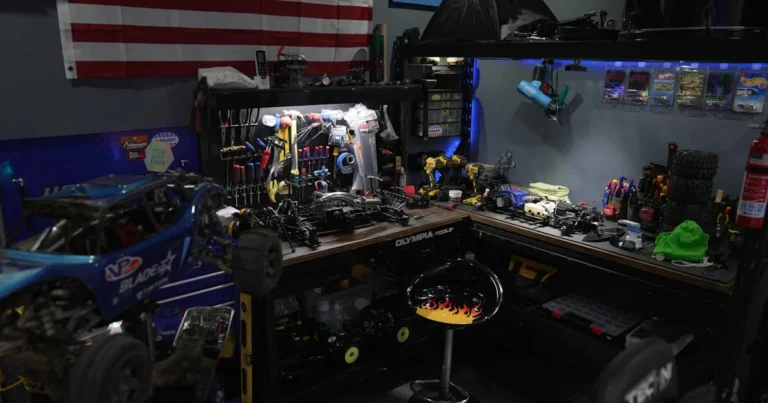
- Establish a Workspace: You’ll need a dedicated space for building, testing, and storing robots. Safety is key here, so ensure proper ventilation, tools, and safety equipment.
- Develop a Schedule: Plan regular meetings for building, strategizing, and learning. Consistency is key to progress.
- Prioritize Safety: Implement strict safety protocols for tool usage, battery handling, and robot testing.
- Embrace Learning & Failure: Encourage experimentation and view failures as learning opportunities. The iterative design process is central to engineering.
- Celebrate Successes: Acknowledge every milestone, big or small, to keep morale high!
Integrating Robotics into the Curriculum: STEM-Focused Learning
Why keep robotics confined to after-school hours? Integrating it directly into the curriculum can supercharge STEM learning for all students.
- Cross-Curricular Connections: Robotics is a natural fit for science (physics, mechanics), math (geometry, algebra, data analysis), technology (coding, CAD), and engineering (design, problem-solving). It can even tie into English (technical writing for engineering notebooks) and social studies (the history of automation).
- Project-Based Learning (PBL): Robotics is an ideal platform for PBL. Students work on a long-term project (building a robot) that integrates multiple subjects and real-world challenges.
- Teacher Training: As highlighted by the Trinity College initiative, “Teach the Teachers,” professional development for educators is vital. Programs that train teachers to use kits like LEGO® MINDSTORMS® EV3 empower them to bring robotics into their classrooms.
- Utilize Online Resources: Platforms like BotsIQ Academy offer free online curriculum covering topics from measurement and blueprint reading to CAD, making it easier for teachers to integrate these skills.
- Start Simple: Begin with basic kits and challenges, gradually increasing complexity as students and teachers gain confidence.
Professional Development for Robotics Educators
The world of robotics is constantly evolving, so continuous learning is essential for educators and mentors.
- Workshops & Conferences: Attend regional and national robotics conferences (e.g., FIRST Championship, VEX Worlds, RoboGames) to learn about new technologies, competition rules, and best practices. Many offer educator-specific tracks.
- Online Courses & Certifications: Explore online courses in specific robotics platforms (e.g., Arduino, Raspberry Pi, VEXcode) or certifications in CAD software (e.g., SolidWorks Certified Associate).
- Networking: Connect with other robotics educators and mentors. Share ideas, troubleshoot problems, and collaborate on projects. Online forums and social media groups (like the Ohio Robot Club Facebook group) are excellent for this.
- Industry Tours: Arrange visits to local manufacturing plants or engineering firms. This provides valuable context for students and helps educators understand the real-world applications of the skills they’re teaching. BotsIQ emphasizes “company tours” as a key career-related experience.
Being an educator or mentor in robot fighting educational programs is more than just teaching; it’s about inspiring the next generation of innovators, problem-solvers, and leaders. Your guidance can literally change a student’s life trajectory. So, what are you waiting for? Join the fight for a brighter, more technologically advanced future!
🚀 Beyond the Bots: Career Pathways Ignited by Educational Robot Fighting
You might think robot fighting educational programs are just about building cool machines and watching them smash each other. And while that’s certainly a huge part of the fun, the truth is, these programs are powerful launchpads for incredible career pathways. We’ve seen countless students who started tinkering with a LEGO® MINDSTORMS® kit or welding a BotsIQ chassis go on to achieve amazing things. This isn’t just a hobby; it’s a foundational experience that builds the skills and mindset for success in a rapidly evolving technological world.
As the BotsIQ program proudly states, it “connects these skills to future careers with a variety of career related experiences.” The skills you hone in the arena are directly transferable to high-demand industries. Let’s explore some of the exciting futures ignited by robot combat.
Engineering & Robotics: Designing the Future
This is the most obvious, and for good reason! Students who excel in robot design and engineering programs are perfectly positioned for careers in various engineering disciplines.
- Mechanical Engineer: Designing the physical structures, mechanisms, and moving parts of everything from industrial robots to consumer products. Your experience with chassis design, weapon systems, and gear ratios in combat robotics is directly applicable.
- Electrical Engineer: Working with circuits, power systems, sensors, and motor control. The intricate wiring and battery management you learn are fundamental.
- Robotics Engineer: Specializing in the design, construction, operation, and application of robots. This is the dream job for many combat robotics alumni, working on everything from surgical robots to autonomous vehicles.
- Aerospace Engineer: Designing aircraft, spacecraft, and related systems. The principles of lightweight design, structural integrity, and complex control systems learned in robotics are highly valued.
Computer Science & AI: The Brains Behind the Bots
Every sophisticated robot needs a brain, and that’s where computer science and artificial intelligence come in. Robot programming is a core component of many educational robotics programs.
- Software Engineer: Developing the code that makes robots (and countless other systems) function. Your experience with C++, Python, or Java in FRC or custom bots is a direct pipeline.
- AI/Machine Learning Engineer: Creating algorithms that allow robots to learn, adapt, and make decisions autonomously. The challenges of programming autonomous modes in competitions are a fantastic introduction to AI concepts.
- Embedded Systems Engineer: Designing and programming the specialized computer systems that control hardware in robots, IoT devices, and other smart machines.
- Data Scientist: Analyzing the vast amounts of data generated by robots and other systems to extract insights and improve performance.
Manufacturing & Skilled Trades: Building the World
Not everyone wants to sit behind a computer, and the world desperately needs skilled hands! Programs like BotsIQ specifically highlight the importance of manufacturing skills.
- Machinist/CNC Programmer: Operating and programming computer-controlled machines to create precision parts. Your experience with CAD/CAM and fabricating custom robot components is invaluable.
- Welder/Fabricator: Joining metal parts to create structures. Building a robust combat robot often requires strong welding skills.
- Robotics Technician: Installing, maintaining, and troubleshooting industrial robots in manufacturing settings. BotsIQ even offers a Robotics Technician Pre-Apprenticeship, directly linking students to these careers.
- Tool and Die Maker: Creating the molds and tools used in mass production. The precision and problem-solving skills from robot building are highly relevant.
Entrepreneurship & Innovation: Creating New Industries
Beyond specific technical roles, robot fighting programs foster an entrepreneurial spirit. Students learn to identify problems, design solutions, manage projects, and even pitch their ideas.
- Startup Founder: Many successful robotics companies were started by individuals who honed their skills and passion in competitive robotics. The BotsIQ RoboRecharge Competition, a pitch contest, directly encourages this entrepreneurial mindset.
- Product Designer: Combining engineering know-how with user experience principles to create innovative products.
- Project Manager: Leading teams to complete complex projects on time and within budget, a skill developed through managing robot builds from start to finish.
The journey from a student building a robot in a garage or school workshop to a professional shaping the future of technology is a well-trodden path. The skills, the network, and the sheer passion ignited by robot fighting educational programs are truly invaluable. So, what future will you build?
🤔 Addressing Common Concerns: Debunking Myths About Robot Combat Education
When people hear “robot fighting,” images of sparks, smoke, and shattered metal often come to mind. While that’s certainly part of the spectacle, it can also lead to some misconceptions about educational robot fighting programs. At Robot Fighting™, we’ve heard all the concerns, and we’re here to set the record straight. These programs are far more than just destructive entertainment; they are carefully structured, highly educational, and surprisingly accessible.
Is it Too Dangerous? Safety Measures in Educational Robot Fighting
This is perhaps the most common concern, and it’s a valid one. After all, we’re talking about machines designed to inflict damage! However, educational robot combat is conducted under extremely strict safety protocols.
- Controlled Environments: All competitions take place in purpose-built, enclosed arenas designed to contain debris and protect spectators and participants. These arenas are typically made of thick polycarbonate or steel.
- Rigorous Rules: Every competition has a comprehensive set of robot combat rules and regulations that prioritize safety. These include limits on weapon types, power levels, and construction methods.
- Safety Checks: Robots undergo thorough safety inspections before every match. This includes checking for secure components, proper wiring, and functional kill switches.
- Kill Switches & Weapon Lock-Outs: Every robot is required to have a clearly accessible master power switch that completely disables all functions. Weapons are typically disarmed and locked until the robot is safely in the arena and the match begins.
- Trained Personnel: Events are staffed with experienced safety officers, referees, and often emergency medical personnel.
- Personal Protective Equipment (PPE): Participants and anyone working on robots are required to wear safety glasses, and often hearing protection and gloves.
- Our Perspective: We’ve been involved in robot combat for decades, and while accidents can happen in any hands-on activity, the safety record in educational robotics is remarkably strong due to these stringent measures. It’s far safer than many traditional sports. ✅ It’s about controlled destruction for learning, not reckless abandon.
Is it Too Expensive? Budgeting for Educational Robotics
Another common myth is that robotics is an elite activity, only accessible to well-funded schools or wealthy families. While high-end competitive robotics can involve significant costs, there are many accessible entry points.
- Scalable Costs: The cost varies wildly depending on the program and weight class.
- Entry-Level Kits: Programs using LEGO® MINDSTORMS® or VEX IQ kits are relatively affordable, with kits often costing a few hundred dollars and being reusable for years.
- Mid-Range Competitions: VEX V5 or smaller custom combat robots (antweight/beetleweight) can be built for a few hundred to a couple of thousand dollars per robot, especially if teams utilize shared tools and recycled materials.
- High-End Programs: Large-scale FRC robots or 15 lb+ BotsIQ combat robots can indeed cost several thousand dollars per season, but these programs often have robust fundraising and sponsorship models.
- Funding Opportunities: As discussed in “Funding Your Fury,” there are numerous grants, sponsorships, and community fundraising opportunities available specifically for educational robotics programs.
- Shared Resources: Many schools and community clubs pool resources, sharing tools, equipment, and even robot parts across multiple teams or years. BotsIQ’s Lending Library is a great example.
- Our Perspective: Don’t let perceived cost be a barrier. Start small, seek out grants, and engage your community. The return on investment in terms of student engagement and skill development is immense. ❌ It’s not necessarily too expensive if you plan and leverage available resources.
Is it Only for “Techy” Kids? Inclusivity in Robotics Programs
Some might assume that robot fighting is only for kids who are already “nerds” or “tech geniuses.” This couldn’t be further from the truth! Educational robotics is a fantastic way to engage a diverse range of students.
- Multidisciplinary Appeal: Robotics isn’t just about engineering. It involves:
- Art & Design: For aesthetics, branding, and creative problem-solving.
- Marketing & Communication: For fundraising, team presentations, and outreach.
- Project Management: For organizing tasks, timelines, and resources.
- Strategy & Tactics: For planning battles and understanding opponent weaknesses.
- Writing: For engineering notebooks and documentation (a key part of BotsIQ!).
- Inclusivity Initiatives: Many organizations actively work to promote diversity in STEM. Trinity College, for example, sponsors the Tech Savvy event for girls to promote STEM engagement.
- Learning by Doing: Many students discover a passion for STEM through robotics, not because they already had it. The hands-on nature makes abstract concepts accessible and exciting for everyone.
- Our Perspective: We’ve seen kids from all backgrounds and with varied initial interests find their niche in robotics. Some become master welders, others brilliant programmers, and some incredible strategists. The beauty of a team-based approach is that everyone can contribute their unique talents. ✅ Robotics is for everyone who’s curious and willing to learn!
By debunking these myths, we hope to encourage more students, educators, and communities to embrace the incredible opportunities offered by robot fighting educational programs. It’s a safe, accessible, and profoundly impactful way to prepare the next generation for the future.
🌟 Our Personal Journey: Why We Champion Educational Robot Combat
You know, for us at Robot Fighting™, this isn’t just a job; it’s a passion born from years of grease, sparks, and the exhilarating roar of the arena. We’ve been building, battling, and breaking robots for what feels like forever, and through it all, one thing has become crystal clear: educational robot combat programs are absolute game-changers.
My own journey started back in high school, long before BattleBots was a household name. I was a kid who loved taking things apart but rarely put them back together correctly. My grades in math and science were… let’s just say, “uninspired.” Then, a new teacher, Mr. Henderson, started a small robotics club. He showed us a grainy VHS tape of some early robot competitions, and my mind was blown. Suddenly, algebra wasn’t just abstract symbols; it was the formula for calculating gear ratios to make our robot faster. Physics wasn’t just boring equations; it was understanding torque and impact forces to design a weapon that wouldn’t shatter on first contact.
We started with a simple kit, a rudimentary chassis, and a lot of ambition. Our first “combat bot” was essentially a remote-controlled brick with a flimsy plastic scoop. It lost spectacularly. Every. Single. Time. But those failures? They were the best teachers I ever had. We’d huddle after each match, dissecting what went wrong. “The motor burned out because we overloaded it!” “The weapon broke because the material was too brittle!” “Our strategy was terrible; we just charged in!” Each setback fueled our determination to learn more, design better, and fight smarter.
That club, that experience, it didn’t just teach me how to build a robot; it taught me how to problem-solve, how to collaborate under pressure, and how to persevere when things inevitably went wrong. It ignited a spark that led me to study engineering in college, and eventually, to dedicate my career to the world of robotics. My colleagues here at Robot Fighting™ have similar stories – tales of late nights in the workshop, the thrill of a successful test run, and the camaraderie forged in the crucible of competition.
We champion these programs because we’ve seen the transformation firsthand. We’ve watched shy kids find their voice as team leaders, struggling students discover a passion for programming, and seemingly “un-techy” individuals become master fabricators. It’s not just about winning trophies; it’s about building confidence, fostering critical thinking, and equipping young people with the skills they need to thrive in any future they choose.
So, when we talk about robot fighting educational programs, we’re not just talking about machines. We’re talking about dreams, about potential, and about the incredible journey of discovery that happens when you put a tool in a student’s hand and tell them, “Go build something amazing. Go build your future.” And trust us, the future is going to be incredibly well-engineered.
Conclusion: The Future is Fighting, Learning, and Building!

Wow, what a journey! From the spark of curiosity in elementary school LEGO® kits to the roaring battles of high school BotsIQ gladiators, robot fighting educational programs offer an unparalleled fusion of fun, learning, and real-world skill-building. We’ve seen how these programs ignite passion, develop critical STEM skills, and open doors to exciting career pathways in engineering, manufacturing, computer science, and beyond.
To recap:
- Positives: These programs provide hands-on, project-based learning that fosters creativity, teamwork, and problem-solving. They scale beautifully across age groups and skill levels, offer access to cutting-edge tools and competitions, and connect students to industry through mentorship and apprenticeships. Safety is paramount, and the community is vibrant and supportive.
- Challenges: Some programs require significant investment in time, money, and resources, and the learning curve can be steep. However, with grants, sponsorships, and community support, these hurdles are surmountable.
- Our Recommendation: Whether you’re a student, educator, or parent, dive in! Start small with accessible kits like LEGO® MINDSTORMS® or VEX IQ, then grow into more advanced programs like BotsIQ or FIRST Robotics. Embrace the failures as learning opportunities, seek mentorship, and get ready for a thrilling ride.
Remember the question we teased earlier: Which arena will you conquer first? Now you have the roadmap to choose your path, whether it’s a local league, a summer camp, or a national competition. The future is yours to build — one bolt, one line of code, one battle at a time.
Ready to join the fight? Let’s build the future together!
Recommended Links: Your Gateway to the Robotics World
Looking to gear up? Here are some of our top picks for kits, platforms, and books to fuel your robotics journey:
- VEX Robotics Kits
- LEGO® Education SPIKE™ Prime & MINDSTORMS® EV3
- BotsIQ High School Robotics Program
- Recommended Books on Robotics & STEM
- Robot Builder’s Bonanza by Gordon McComb — Amazon Link
- Make: Electronics by Charles Platt — Amazon Link
- Introduction to Robotics: Mechanics and Control by John J. Craig — Amazon Link
FAQ: Your Burning Questions About Educational Robot Fighting Answered

What career opportunities can arise from participating in robot fighting programs?
Participating in robot fighting programs opens doors to careers in mechanical, electrical, and robotics engineering, computer science (including AI and programming), manufacturing and skilled trades (like machining and welding), and even entrepreneurship. These programs develop both technical and soft skills highly valued in STEM industries.
What materials are needed to start a robot fighting educational program at home?
Starting at home requires:
- Basic robot kits (e.g., LEGO® MINDSTORMS®, VEX IQ)
- Tools: screwdrivers, pliers, soldering iron, wire strippers
- Components: motors, batteries (LiPo recommended with safety precautions), wiring, chassis materials (aluminum sheets, plastic)
- Safety gear: goggles, gloves, fire extinguisher
- Programming platforms: Arduino or Raspberry Pi for advanced builds
Starting small with kits and gradually adding custom parts is the best approach.
How can schools incorporate robot fighting into their curriculum?
Schools can integrate robot fighting by:
- Establishing robotics clubs or elective courses
- Using project-based learning that ties robotics to math, science, and technology standards
- Training teachers through professional development programs (e.g., Trinity College’s “Teach the Teachers”)
- Leveraging online curricula like BotsIQ Academy
- Participating in competitions like FIRST, VEX, or BotsIQ to provide real-world challenges
What age groups are robot fighting educational programs designed for?
Programs exist for all ages:
- Elementary: LEGO® MINDSTORMS®, SPIKE™ Prime, simple challenges
- Middle School: VEX IQ, Arduino basics, beginner combat bots
- High School: BotsIQ, FIRST Robotics, VEX V5, advanced combat bots
- College: BattleBots IQ, RoboGames, research projects
Are there online courses available for robot fighting education?
Yes! Platforms like BotsIQ Academy offer free online courses covering measurement, CAD, programming, and safety. Additionally, many robotics platforms provide tutorials and virtual simulators to learn programming and design remotely.
How do robot fighting programs help develop STEM skills?
They provide hands-on experience in mechanical design, electrical wiring, programming, and systems integration. They also foster critical thinking, problem-solving, teamwork, project management, and communication — all vital STEM competencies.
What are the best robot fighting educational programs for beginners?
For beginners, LEGO® MINDSTORMS® EV3 and VEX IQ are excellent starting points due to their ease of use, modularity, and supportive communities. These platforms offer engaging challenges that build foundational skills.
How can robot fighting programs help students learn STEM skills?
By engaging students in building and battling robots, these programs turn abstract STEM concepts into tangible experiences. Students learn physics through weapon dynamics, math through gear ratios, programming logic through autonomous modes, and engineering design through iterative prototyping.
Are there online robot fighting courses available for kids?
Yes, many platforms offer kid-friendly online courses and tutorials, including block-based programming for LEGO® and VEX kits, virtual robot simulators, and interactive lessons through BotsIQ Academy and FIRST’s online resources.
How do robot fighting leagues support educational initiatives?
Leagues provide structured competition environments, mentorship, safety oversight, and community support. They often partner with schools and sponsors to provide resources, scholarships, and career pathways, making robotics education accessible and impactful.
Can robot fighting programs improve teamwork and problem-solving skills?
Absolutely! These programs require students to collaborate on design, fabrication, programming, and strategy. They learn to communicate effectively, resolve conflicts, divide responsibilities, and think critically to overcome design and battle challenges.
Reference Links: Citing Our Sources & Further Reading
- BotsIQ High School Robotics Program
- Ohio Robot Club Facebook Post on Robot Fighting Educational Programs
- Hartford Teachers Engage in Robot Battle with Trinity College Students
- FIRST Robotics Competition Official Website
- VEX Robotics Competition Official Website
- RoboGames Official Website
- LEGO Education Official Website
- BotsIQ Academy Online Curriculum
- Robot Fighting™ Combat Rules and Regulations
- Robot Fighting™ Design and Engineering
- Robot Fighting™ DIY Robot Building
- Robot Fighting™ Battle Strategies
- Robot Fighting™ Combat Videos