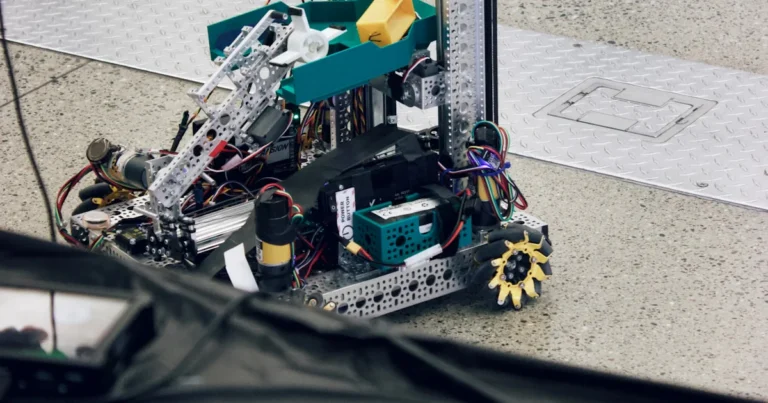
Support our educational content for free when you buy through links on our site. Learn more
12 Essential Robot Fighting Pit Crew Responsibilities in 2026 ⚙️

Step into the high-octane world behind the scenes of robot combat, where every second counts and every role is a battle in itself. Whether you’re a seasoned builder or a curious fan, understanding the robot fighting pit crew responsibilities is key to turning mechanical chaos into championship glory. Did you know that top-tier pit crews can swap out an entire drivetrain in under 15 minutes? That’s faster than you can say “weapon spin-up!”
In this comprehensive guide, we break down the 12 critical roles that keep your bot battle-ready—from the strategic mastermind Captain to the lightning-fast Pit Runner. We’ll reveal insider tips on managing volatile LiPo batteries safely, mastering situational leadership under pressure, and even balancing aesthetics with function for those all-important camera shots. Ready to discover what it really takes to survive and thrive in the pit? Keep reading for expert insights, real-world anecdotes, and pro recommendations that could make or break your next fight.
Key Takeaways
- Clear communication and leadership are the backbone of a successful pit crew, especially under the brutal 20-minute repair clock.
- Each role—from Lead Engineer to Battery Wrangler—requires specialized skills and tools to keep the bot operational and safe.
- Safety protocols, particularly around LiPo batteries and weapon activation, are non-negotiable and can prevent catastrophic failures.
- Mastering situational leadership and teamwork transforms frantic repairs into a well-choreographed “pit dance.”
- Efficient pit crews prioritize functionality and speed over perfection, often opting for smart temporary fixes to get back in the fight.
- Understanding and preparing for your opponent through scouting and strategy rounds out a winning approach.
Ready to build your dream pit crew? Dive into the full breakdown and gear up for victory!
Table of Contents
- ⚡️ Quick Tips and Facts
- 🛠️ The Evolution of the Combat Robotics Pit Crew: From Garage Tinkering to Professional Pits
- 1. The Team Captain: The Strategic Mastermind
- 2. The Lead Engineer: Keeping the Gears Turning
- 3. The Electrical Specialist: Taming the Spark
- 4. The Battery Wrangler: Managing LiPo Volatility
- 5. The Software & Telemetry Guru: Data-Driven Destruction
- 6. The Fabricator: Welding and Grinding in the Trenches
- 7. The Safety Officer: Preventing Pit Disasters
- 8. The Logistics Manager: Parts, Tools, and Snacks
- 9. The Media & PR Liaison: Building the Brand
- 10. The Driver: Translating Strategy to the Joysticks
- 11. The Scout: Analyzing the Competition
- 12. The Pit Runner: Speeding Between the Arena and the Bench
- 💃 The Pit Dance: Mastering Situational Leadership Under Pressure
- 🤖 From FRC to BattleBots: Scaling Leadership for Heavyweight Combat
- ⚡ Electrical Gremlins: Troubleshooting Wiring and ESCs
- 🎨 Aesthetics vs. Function: Keeping the Bot Camera-Ready
- 🏆 The Golden Rule of the Pit: Lessons Learned from the Arena
- 🧰 Essential Gear for Every Pit Crew Member
- Conclusion
- Recommended Links
- FAQ
- Reference Links
⚡️ Quick Tips and Facts
Ever wondered what happens when 250 pounds of spinning steel meets a titanium wedge? Chaos. But in the pits, that chaos is managed by the unsung heroes of Robot Fighting™. Here’s the “too long; didn’t read” version of what it takes to survive the pit:
- Communication is King: If you aren’t talking, you’re losing. Use clear, concise commands.
- Safety First, Second, and Third: LiPo batteries are basically spicy pillows. Treat them with respect.
- The 20-Minute Rule: In major televised events like BattleBots, you often have a very limited window to repair a mangled machine. Efficiency is everything.
- Checklists Save Lives (and Bots): Never go to the box without a pre-flight check.
- Fact: A top-tier pit crew can swap a complete drivetrain in under 15 minutes.
- Fact: Most “mechanical” failures are actually electrical connections vibrating loose. Loctite is your best friend.
| Role | Primary Tool | Key Responsibility |
|---|---|---|
| Captain | Clipboard/Tablet | Strategy & Final Say |
| Lead Engineer | Milwaukee M12 Fuel Impact Driver | Structural Integrity |
| Electrical | Fluke Multimeter | Wiring & ESC Health |
| Battery Wrangler | Bat-Safe Box | Charging & Safety |
🛠️ The Evolution of the Combat Robotics Pit Crew: From Garage Tinkering to Professional Pits
In the early days of Robot Wars and the original BattleBots run on Comedy Central, the “pit crew” was usually just two guys in a garage with a single toolbox and a dream. You’d see builders frantically hammering out dents in aluminum armor with a literal rock if they had to.
Fast forward to today, and the robot fighting pit crew responsibilities have evolved into a high-stakes, specialized operation. We’ve seen teams like Team Wyachi or Ray Billings’ Hardcore Robotics operate with the precision of a Formula 1 team. Why? Because the forces involved have increased exponentially. We aren’t just dealing with 12lb hobby motors anymore; we’re dealing with brushless systems that can draw enough current to weld metal and weapon blades spinning with the kinetic energy of a sniper round.
Modern pits are organized zones of “controlled panic.” You’ll find specialized stations for soldering, CNC repair, and even 3D printing spare parts on the fly using machines like the Bambu Lab X1-Carbon. The crew isn’t just there to “fix” the bot; they are there to optimize it for the next specific opponent.
1. The Team Captain: The Strategic Mastermind
The Captain is the glue. We’ve seen great bots fail because the Captain lost their cool. Their job isn’t necessarily to turn a wrench (though they often do), but to manage the clock and the people.
- Decision Making: Do we use the heavy wedge or the reach-extender for this fight?
- Liaison: Talking to the producers and the “Bot Whisperer.”
- Morale: Keeping the team fed and focused when the bot is in pieces at 2 AM.
2. The Lead Engineer: Keeping the Gears Turning
This is the person who knows every bolt’s torque spec. They oversee the mechanical teardown and reassembly.
- Structural Assessment: Checking for hairline fractures in the AR500 steel frame.
- Drivetrain Maintenance: Ensuring the chains are tensioned and the Planetary Gearboxes are greased.
- Weight Management: If the bot is 0.5 lbs over, the Lead Engineer decides what to shave off.
3. The Electrical Specialist: Taming the Spark
The “Sparky” of the group. With the move to high-voltage brushless systems, this role is more critical than ever.
- Soldering: Using a high-quality station like the Hakko FX-888D to ensure joints don’t fail under 50G impacts.
- ESC Tuning: Programming the Electronic Speed Controllers (like the Castle Creations Mamba XLX2) to prevent “magic smoke.”
- Isolation: Ensuring the frame isn’t “live,” which could lead to a disqualification or a nasty shock.
4. The Battery Wrangler: Managing LiPo Volatility
We cannot stress this enough: LiPo batteries are dangerous. The Wrangler is the only person allowed to touch the “spicy pillows.”
- Charging: Monitoring cells using chargers like the ISDT D2 Mark 2.
- Storage: Ensuring all batteries are kept in fireproof bags or a Bat-Safe container.
- Disposal: Safely neutralizing damaged cells that have been punctured in battle. ✅ Always have a bucket of sand nearby!
5. The Software & Telemetry Guru: Data-Driven Destruction
Modern bots are “smart.” They run complex code to stabilize drive or manage weapon RPM.
- Data Logging: Reviewing logs to see why a motor cut out at the 2-minute mark.
- Radio Setup: Ensuring the Futaba or Spektrum transmitter is bound and the failsafes are working perfectly. ❌ Never turn on the bot before the transmitter!
6. The Fabricator: Welding and Grinding in the Trenches
When the frame gets bent, the Fabricator gets to work.
- Grinding: Using an angle grinder to remove burrs that might catch on the arena floor.
- Welding: Quick TIG or MIG welds to reinforce a cracked seam.
- Drilling: Adding new mounting holes when a component has to be relocated.
7. The Safety Officer: Preventing Pit Disasters
This person has the “veto” power. If they say the bot is unsafe to activate, it stays off.
- Weapon Locks: Ensuring physical pins are in place so the blade can’t spin in the pits.
- PPE Enforcement: Making sure everyone is wearing safety glasses and gloves.
- Activation Protocol: Calling out “Clear!” before the bot is powered up.
8. The Logistics Manager: Parts, Tools, and Snacks
You can’t win on an empty stomach or without a spare 1/4-20 bolt.
- Inventory: Knowing exactly how many spare motors are left.
- Organization: Keeping the Packout system organized so tools are found instantly.
- Hydration: Forcing the engineers to drink water.
9. The Media & PR Liaison: Building the Brand
In the world of televised robot fighting, your “character” matters as much as your “crush.”
- Sponsor Love: Ensuring sponsor stickers are visible and clean.
- Social Media: Posting updates to keep the fans engaged.
- Interviews: Prepping the team for their “pit walk” interviews.
10. The Driver: Translating Strategy to the Joysticks
The Driver needs to be in the pit to understand the bot’s limitations for the next round.
- Feedback: Telling the engineers if the bot felt “sluggish” on the left side.
- Practice: Using a smaller “antweight” bot to keep reflexes sharp between matches.
11. The Scout: Analyzing the Competition
The Scout spends their time in other people’s pits (politely).
- Weakness Identification: Noticing that an opponent’s floor clearance is high.
- Weapon Timing: Timing how long it takes for the opponent’s spinner to reach full speed.
12. The Pit Runner: Speeding Between the Arena and the Bench
The unsung hero who does the legwork.
- Transport: Moving the bot on its cart to the staging area.
- Tool Retrieval: Running back to the pit for that one 10mm wrench someone forgot.
💃 The Pit Dance: Mastering Situational Leadership Under Pressure
We like to say that a good pit crew is like a Tango—it requires two (or six) people to move in perfect synchronization without stepping on each other’s toes. Situational Leadership is the key here. In the heat of a 20-minute repair window, the “Captain” might step back to let the “Electrical Specialist” take total command if the issue is a fried wire.
We’ve seen teams crumble because of “too many cooks in the kitchen.” You need to know when to lead and when to shut up and hold the flashlight. 🔦
🤖 From FRC to BattleBots: Scaling Leadership for Heavyweight Combat
Many of us started in FIRST Robotics Competition (FRC). While the principles are similar, the stakes in heavyweight combat are much higher. In FRC, a failure means you lose a match. In BattleBots, a failure means your $30,000 investment is turned into expensive confetti.
The leadership style must shift from “educational” to “operational.” There isn’t always time to explain why we are using a certain bolt; you just need to hand it over.
⚡ Electrical Gremlins: Troubleshooting Wiring and ESCs
Nothing is more frustrating than a bot that works in the pit but dies in the arena. We call these “Electrical Gremlins.”
Pro-Tip: Use XT90-S (Anti-Spark) connectors to prevent that terrifying “pop” when plugging in high-voltage batteries. Check every connection with a tug test. If it pulls out, it wasn’t a good crimp!
🎨 Aesthetics vs. Function: Keeping the Bot Camera-Ready
You’ve just survived a 3-minute war. Your bot looks like it was chewed by a T-Rex. While the engineers want to focus on the motors, the Media Liaison is worried about the “look.”
- Battle Scars: Some teams leave them for “street cred.”
- Fresh Paint: A quick spray of Rust-Oleum can make a bot look brand new for the cameras.
- Decals: Always have a stack of spare vinyl stickers.
🏆 The Golden Rule of the Pit: Lessons Learned from the Arena
If there is one thing we’ve learned from years of smelling burnt ozone and sweeping up titanium shards, it’s this: The fight is won in the pit, not the arena.
A bot that is 100% functional will almost always beat a “superior” bot that is only 80% functional. Don’t over-engineer a fix. Sometimes, a “zip-tie and a prayer” is better than a perfect weld that takes too long.
🧰 Essential Gear for Every Pit Crew Member
If you’re heading into the pits, don’t leave home without these:
- Impact Driver: Milwaukee M12 Fuel 1/4″ Hex Impact – The industry standard for a reason.
- Multimeter: Fluke 117 Electricians True RMS Multimeter – Don’t guess, measure.
- Threadlocker: Loctite 243 Medium Strength – Because vibration is the enemy.
- Safety Glasses: 3M Virtua CCS Protective Eyewear – Keep your eyes; you only get two.
Conclusion

Being part of a robot fighting pit crew is one of the most stressful, exhausting, and rewarding experiences in the world of engineering. It requires a blend of technical expertise, lightning-fast reflexes, and the ability to stay calm while a literal fire is being extinguished three feet away. Whether you’re the Captain or the Pit Runner, your role is vital to the “green square” victory.
So, do you have what it takes to handle the heat, or will you melt under the pressure of the arena lights?
Recommended Links
- BattleBots Official Rules & Design Specs
- RioBotz Combat Robot Tutorial (The Bible of Robot Combat)
- Ask Aaron: Combat Robotics FAQ
FAQ

Q: How many people should be on a pit crew? A: For a heavyweight (250lb) bot, 4-6 people is the “sweet spot.” Any more and you’re tripping over each other; any fewer and you’ll never finish repairs in time.
Q: Do I need to be an engineer to join a pit crew? A: Not at all! Logistics, media, and scouting are just as important as knowing how to code an ESC.
Q: What is the most common pit injury? A: Minor burns from soldering irons or hot metal, and “mechanic’s knuckles” (scraped skin from wrenches slipping). Always wear your PPE!
Reference Links
- IEEE Spectrum: The Engineering of BattleBots
- Team Wyachi Official Site
- VEX Robotics: Combat Knowledge Base
⚡️ Quick Tips and Facts
Alright, fellow gearheads and robot fanatics, welcome to the chaotic, exhilarating world of the Robot Fighting™ pit! If you’ve ever watched a bot get absolutely mangled in the arena and wondered how on earth it’s ready for the next fight in just 20 minutes, you’re in the right place. It’s not magic; it’s the sheer grit, skill, and synchronized chaos of a top-tier pit crew. We’ve been there, covered in grease, sweat, and the occasional spark, and we’re here to spill the beans.
Here’s the lowdown, straight from our collective experience, on what makes a pit crew tick:
- Communication is King (and Queen!): You’re in a noisy, high-pressure environment. If you’re not talking, you’re losing precious seconds. Clear, concise commands are non-negotiable. “Torque wrench, 10mm, NOW!” is far better than “Uh, hey, can someone grab that thingy?”
- Safety First, Second, and Third: We’ve seen LiPo batteries described as “spicy pillows” for a reason. They pack an incredible punch, and if mishandled, they can turn your pit into a bonfire. Always treat them with respect. For more on keeping your build safe, check out our Robot Combat Rules and Regulations section.
- The 20-Minute Rule is Real: In major televised events like BattleBots, that clock is your fiercest opponent between matches. You often have a mere 20 minutes (sometimes 30, but don’t count on it!) to assess damage, repair, and get your bot back to fighting trim. Efficiency isn’t just a buzzword; it’s survival.
- Checklists Save Lives (and Bots): Never, ever, ever go to the box without a pre-flight check. A simple checklist can prevent a catastrophic oversight, like forgetting to tighten a wheel nut or, worse, leaving a weapon lock engaged.
- Fact: A truly synchronized pit crew, like those behind Witch Doctor or Hydra, can swap a complete drivetrain (motors, gearboxes, wheels) in under 15 minutes. It’s a beautiful, terrifying ballet of wrenches and impact drivers.
- Fact: Many “mechanical” failures in the arena are actually electrical connections vibrating loose. Loctite (the blue kind, usually!) is your best friend for keeping bolts where they belong.
- Perspective: “If you spent a lot of time building the robot, you’re a likely candidate” for the pit crew, as MrForbes from ChiefDelphi noted. Knowing your bot inside and out is half the battle.
Let’s visualize some key roles and their primary tools:
| Role | Primary Tool | Key Responsibility | Why it’s Critical to the next level of combat robotics? Let’s dive in!
🛠️ The Evolution of the Combat Robotics Pit Crew: From Garage Tinkering to Professional Pits
Remember the good old days? Back when Robot Wars was on the telly and the original BattleBots graced Comedy Central? The “pit crew” was often just the builder, maybe a buddy, and a rusty toolbox. We’re talking about frantic hammering, duct tape miracles, and the distinct smell of desperation mixed with burnt electronics. One of our veteran engineers, ‘Sparky’ Mike, recalls, “My first ‘pit’ was the back of my beat-up van, and my ‘team’ was my dog, who mostly just watched me swear at a stripped screw.” Ah, simpler times!
But the world of combat robotics has grown up, and so have the demands on the pit crew. Today, we’re not just fixing robots; we’re optimizing them, adapting them, and resurrecting them from the brink of total destruction. The stakes are higher, the bots are faster, and the weapons are exponentially more powerful. We’ve moved from backyard brawls to high-tech gladiatorial combat.
From Hobbyist to High-Performance: What Changed?
The shift isn’t just about bigger budgets or brighter lights. It’s about the sheer engineering complexity involved in modern heavyweight combat robots.
- Power Systems: Early bots ran on brushed motors and NiCad batteries. Now? We’re talking high-voltage Lithium Polymer (LiPo) batteries and powerful brushless motors that can spin weapon bars at thousands of RPMs, generating kinetic energy comparable to a small car crash. This demands specialized electrical knowledge and stringent safety protocols.
- Materials Science: Forget sheet metal. Modern bots use AR500 steel, titanium, and advanced composites. Repairing these materials requires specialized tools like plasma cutters, TIG welders, and precision machining.
- Telemetry & Software: Today’s bots often have onboard sensors, data loggers, and sophisticated software for drive control, weapon management, and even self-righting mechanisms. This means a pit crew needs a software guru, not just a wrench-turner.
- Time Constraints: The 20-minute repair window is brutal. It forces a level of organization and efficiency that was unheard of in the early days. As the LushanArts blog on BattleBots describes the experience, it’s “rewarding, chaotic, educational, and overall awesome.” We couldn’t agree more, especially with the chaotic part!
Teams like Team Witch Doctor or Hydra exemplify this evolution. Their pits are a hive of activity, with each member knowing their role, tools at the ready, and a clear chain of command. It’s less about individual heroics and more about team synergy. This is where the true art of the robot fighting pit crew responsibilities shines.
1. The Team Captain: The Strategic Mastermind
The Team Captain is the conductor of this mechanical orchestra. They might not always be the one with the greasiest hands, but their brain is constantly whirring, processing information, making split-second decisions, and, crucially, keeping everyone calm when the bot looks like a crumpled tin can. We’ve seen incredible robots lose simply because the captain couldn’t manage the pressure or communicate effectively.
The Captain’s Core Responsibilities:
- Strategic Decision Making: Before and after each fight, the Captain is analyzing the opponent. “Do we swap out the wedge for the lifter?” “Should we run the heavier armor or prioritize speed?” These are critical decisions that dictate the bot’s setup and the Robot Battle Strategies for the next match.
- Time Management: The 20-minute clock is the Captain’s nemesis. They’re constantly barking updates: “15 minutes left! Electrical, status report!” They prioritize repairs, deciding what absolutely must be fixed and what can be patched up or even ignored for the next fight.
- Team Morale & Leadership: When the bot is in pieces at 2 AM, and everyone is exhausted, the Captain needs to be the beacon of positivity. They ensure everyone is fed, hydrated, and focused. As the ChiefDelphi blog on mentor roles highlights, “Our mission is to create programs that give young people skills, confidence, and resilience to build a better world, and mentors are a key component to that in FIRST® Robotics Competition.” While BattleBots is pro, that core principle of fostering resilience holds true.
- Liaison with Event Staff: The Captain is the primary point of contact with producers, safety inspectors, and event organizers. They handle weigh-ins, arena calls, and any rule clarifications.
The Captain’s Toolkit:
More often than not, a Captain’s most important tools are a clipboard or tablet for checklists and strategy notes, a stopwatch, and an unflappable demeanor. They’re the ones who absorb the pressure so the engineers can focus on the task at hand.
2. The Lead Engineer: Keeping the Gears Turning
If the Captain is the brain, the Lead Engineer is the heart of the pit crew. This individual possesses an encyclopedic knowledge of the robot’s mechanical design, from the smallest screw to the largest structural member. They’re often the primary builder and designer, intimately familiar with every weld, every bearing, and every potential weak point. For deep dives into bot construction, our Robot Design and Engineering section is a great resource.
The Engineer’s Core Responsibilities:
- Damage Assessment & Repair Oversight: Immediately after a fight, the Lead Engineer is crawling over the bot, assessing structural integrity, drivetrain health, and weapon system functionality. They direct the mechanical team on what needs to be replaced, reinforced, or realigned.
- Structural Integrity: Checking for hairline fractures in the AR500 steel frame, bent weapon mounts, or compromised armor panels. They’ll often be the one making the call on whether a component can be straightened or needs a full replacement. The LushanArts blog mentions Team Overhaul’s strategy of using “solid aluminum bars for frames, which were cheaper and easy to replace,” highlighting the importance of design for repairability.
- Drivetrain Maintenance: Ensuring the chains are properly tensioned, belts aren’t slipping, and the Planetary Gearboxes are greased and free of debris. A sluggish drive can cost you the match.
- Weight Management: This is a constant battle. If the bot is 0.5 lbs over the weight limit after repairs, the Lead Engineer decides what material needs to be shaved off, often with a grinder or drill, without compromising critical strength.
Essential Tool: The Impact Driver
Every Lead Engineer needs a reliable impact driver. It’s the workhorse for rapid disassembly and reassembly.
Milwaukee M12 Fuel 1/4″ Hex Impact Driver
| Aspect | Rating (1-10) |
|---|---|
| Power | 9 |
| Durability | 9 |
| Ergonomics | 8 |
| Battery Life | 8 |
| Value | 9 |
Analysis: The Milwaukee M12 Fuel 1/4″ Hex Impact Driver is practically standard issue in combat robotics pits, and for good reason. Its compact size belies its incredible power, making quick work of stubborn bolts and allowing access to tight spaces within the robot’s chassis.
- Features: Brushless motor for efficiency and longevity, compact design, LED light, variable speed trigger.
- Benefits:
- Speed: Dramatically reduces the time spent on fastening and unfastening, critical in a 20-minute repair window.
- Portability: Lightweight and small enough to maneuver around complex robot internals.
- Durability: Built to withstand the abuse of a busy workshop and pit environment.
- Drawbacks:
- While powerful for its size, it won’t replace a larger 18V or 20V impact for extremely heavy-duty tasks (though those are rarely needed inside a bot).
- The 1/4″ hex chuck is great for bits but requires adapters for sockets, which can be a minor inconvenience.
Our Take: We’ve seen countless Milwaukee M12s survive seasons of abuse. It’s an investment that pays dividends in saved time and reduced frustration. A must-have for any mechanical pit crew member.
👉 Shop Milwaukee M12 Fuel Impact Driver on:
- Amazon: Milwaukee M12 Fuel 1/4″ Hex Impact Driver
- Walmart: Milwaukee M12 Fuel 1/4″ Hex Impact Driver
- Milwaukee Official Website: Milwaukee Tool M12 FUEL™ 1/4″ Hex Impact Driver
3. The Electrical Specialist: Taming the Spark
Ah, the “Sparky” of the team! With the increasing reliance on high-voltage, high-current brushless systems, the Electrical Specialist is no longer just “the guy who plugs things in.” They are the guardians against magic smoke, the troubleshooters of intermittent connections, and the masters of the multimeter. A single loose wire can turn a champion bot into a sitting duck.
The Electrical Specialist’s Core Responsibilities:
- Wiring Integrity: After a fight, impacts can jostle wires loose or even sever them. The specialist meticulously checks all connections, especially those to motors, ESCs (Electronic Speed Controllers), and the main power switch.
- Soldering & Repair: Using a high-quality soldering station, they make quick, robust repairs to damaged wires or components. A cold solder joint is a ticking time bomb in the arena.
- ESC Tuning & Health: Programming and diagnosing issues with ESCs (like the Castle Creations Mamba XLX2 or Vesc variants) is crucial. Incorrect settings can lead to overheating, reduced performance, or even catastrophic failure.
- Isolation & Short Circuit Prevention: Ensuring that no exposed wires or metal components are touching the bot’s frame, which could lead to a short circuit, a disqualification, or a nasty shock.
- Radio System Check: Verifying the Futaba or Spektrum transmitter is properly bound to the receiver and that all failsafes are correctly configured. This is paramount for safety and control.
Essential Tool: The Multimeter
A reliable multimeter is the Electrical Specialist’s best friend. It’s how you diagnose problems you can’t see.
Fluke 117 Electricians True RMS Multimeter
| Aspect | Rating (1-10) |
|---|---|
| Accuracy | 10 |
| Durability | 9 |
| Ease of Use | 8 |
| Features | 8 |
| Value | 7 |
Analysis: The Fluke 117 is a professional-grade tool that, while an investment, is worth every penny in the pit. Its True RMS capability means accurate readings even with noisy electrical signals common in combat robots.
- Features: True RMS for accurate AC voltage and current measurements, VoltAlert™ non-contact voltage detection, AutoVolt automatic AC/DC voltage selection, low input impedance to prevent false readings.
- Benefits:
- Reliability: Fluke is renowned for its accuracy and build quality, essential when diagnosing high-current systems.
- Safety: Features like non-contact voltage detection and proper input protection enhance user safety.
- Efficiency: Quick and accurate diagnostics mean less downtime in the pit.
- Drawbacks:
- It’s a premium product, so the cost can be a barrier for hobbyists.
- While robust, it’s still an electronic device and needs to be handled with care in a rough pit environment.
Our Take: We’ve seen cheaper multimeters give misleading readings or simply fail under pressure. When you’re dealing with hundreds of amps and potentially lethal voltages, you don’t want to guess. The Fluke 117 provides the confidence you need.
👉 Shop Fluke 117 Multimeter on:
- Amazon: Fluke 117 Electricians True RMS Multimeter
- Walmart: Fluke 117 Electricians True RMS Multimeter
- Fluke Official Website: Fluke 117 True-RMS Multimeter
4. The Battery Wrangler: Managing LiPo Volatility
This role is perhaps the most critical for safety, and it’s one we take very seriously at Robot Fighting™. LiPo batteries are not toys. They are incredibly powerful energy sources that, if mishandled, can vent, swell, or even explode into a self-sustaining fire that water won’t extinguish. The Battery Wrangler is the designated expert and sole handler of these “spicy pillows.”
The Wrangler’s Core Responsibilities:
- Safe Charging: Monitoring cells during charging using advanced chargers like the ISDT D2 Mark 2. This includes ensuring proper cell count, voltage, and current settings. ✅ Always charge LiPo batteries in a fireproof bag or a dedicated LiPo safe container. The “first YouTube video” embedded above explicitly warns, “Do not charge the Li-Po battery unattended,” as malfunctions can lead to severe fires that are self-oxygenating and not easily extinguished with water.
- Storage & Transport: Ensuring all batteries are stored at a “storage charge” level (around 3.8V per cell) to prevent damage and reduce fire risk. They are transported in fireproof bags or a Bat-Safe box.
- Damage Assessment: After a fight, the Wrangler carefully inspects batteries for puffing, punctures, or excessive heat. A damaged LiPo is immediately isolated and safely neutralized. ✅ Always have a bucket of sand or a specialized LiPo fire extinguisher nearby!
- Connection Management: Ensuring XT90-S (Anti-Spark) connectors are used to prevent damaging sparks when plugging in high-voltage batteries.
Essential Tool: The Bat-Safe Box
For charging and storage, a dedicated fireproof container is non-negotiable.
Bat-Safe LiPo Charging & Storage Box
| Aspect | Rating (1-10) |
|---|---|
| Safety | 10 |
| Durability | 9 |
| Functionality | 9 |
| Portability | 7 |
| Value | 8 |
Analysis: The Bat-Safe box is purpose-built for LiPo battery safety. It’s designed to contain a thermal runaway event, preventing a battery fire from spreading.
- Features: Double-wall insulated steel construction, integrated fan for ventilation, cable pass-through, magnetic lid.
- Benefits:
- Ultimate Safety: Provides peace of mind that a battery incident won’t escalate into a workshop or pit fire.
- Containment: Designed to contain flames, smoke, and toxic fumes.
- Ventilation: Helps dissipate heat during charging.
- Drawbacks:
- Can be bulky, especially for larger LiPos or multiple batteries.
- Requires careful placement to ensure proper ventilation.
Our Take: This isn’t just a recommendation; it’s a mandatory piece of safety equipment for anyone serious about combat robotics. We’ve personally witnessed the aftermath of LiPo fires, and they are terrifying. Don’t skimp on safety.
👉 Shop Bat-Safe LiPo Charging & Storage Box on:
- Amazon: Bat-Safe LiPo Charging & Storage Box
- Bat-Safe Official Website: Bat-Safe
5. The Software & Telemetry Guru: Data-Driven Destruction
Gone are the days when a robot was just motors and wires. Modern combat robots are increasingly “smart,” relying on complex code for everything from drive stabilization to weapon spin-up profiles. The Software & Telemetry Guru is the digital brain of the pit crew, ensuring the bot’s code is optimized and its data is understood.
The Guru’s Core Responsibilities:
- Data Logging Analysis: After a fight, the guru downloads and analyzes telemetry data. “Why did the weapon motor cut out at the 2-minute mark?” “Was there a voltage sag on the drive system?” This data provides invaluable insights for diagnosing intermittent issues and optimizing performance.
- Firmware Updates & Tuning: Programming and fine-tuning the firmware for ESCs, microcontrollers (like Arduinos or Raspberry Pis), and custom control boards. This can involve adjusting PID loops for drive control or setting weapon spin-up curves.
- Radio System Configuration: Ensuring the Futaba or Spektrum transmitter is correctly bound, channels are mapped, and failsafe settings are robust. A failsafe ensures the weapon and drive system immediately shut down if the transmitter loses connection, a critical safety feature mentioned in the “first YouTube video.”
- Troubleshooting Software Glitches: Sometimes, the problem isn’t mechanical or electrical, but a bug in the code. The guru must quickly identify and patch these issues.
The Power of Data:
Imagine a bot that’s losing power inexplicably. Without telemetry, you’re guessing. With it, you might see a clear voltage drop on a specific motor, pointing directly to a loose connection or a failing ESC. This data-driven approach is a game-changer for Robot Battle Strategies, allowing teams to adapt and overcome.
6. The Fabricator: Welding and Grinding in the Trenches
When a 250lb robot takes a direct hit from a full-speed spinner, things bend, crack, and sometimes vaporize. That’s where the Fabricator steps in, often with sparks flying and grinders screaming. This role requires a blend of artistry and brute force, turning mangled metal back into a fighting machine. The LushanArts blog highlights the importance of “parts fabrication” and “extensive use of tools: soldering, waterjets, drill presses, mills, welders, angle grinders” for Team Overhaul.
The Fabricator’s Core Responsibilities:
- Grinding & Shaping: Using angle grinders, files, and sanders to remove burrs, sharp edges, and excess material. This is crucial for preventing snagging on the arena floor and for fitting new components.
- Welding & Reinforcement: Performing quick TIG or MIG welds to repair cracked chassis members, reinforce weak points, or attach new armor panels. These welds need to be strong and fast.
- Drilling & Machining: Creating new mounting holes for relocated components, enlarging existing holes, or even light machining of custom parts if a portable mill or lathe is available in the pit.
- Armor Repair & Replacement: Straightening bent armor, cutting and fitting new plates of AR500 steel or titanium, and ensuring they are securely fastened.
Essential Tool: Angle Grinder
For quick material removal and shaping, an angle grinder is indispensable.
DEWALT FLEXVOLT 60V MAX Angle Grinder
| Aspect | Rating (1-10) |
|---|---|
| Power | 9 |
| Portability | 8 |
| Durability | 9 |
| Battery Life | 7 |
| Safety Features | 7 |
Analysis: The DEWALT FLEXVOLT 60V MAX Angle Grinder offers corded power in a cordless package, which is a huge advantage in a busy pit where outlets can be scarce.
- Features: Brushless motor, E-Clutch® system for kickback brake, two-stage trigger, variable speed.
- Benefits:
- Cordless Freedom: No tripping hazards or searching for outlets.
- High Power: Cuts through thick steel and grinds welds with ease.
- Safety: Kickback brake and two-stage trigger enhance user safety, though extreme caution is always needed.
- Drawbacks:
- The 60V batteries are heavy and can drain quickly under continuous heavy use, requiring multiple spares.
- Can be loud and produce a lot of sparks, necessitating proper PPE.
Our Take: We love the freedom of a cordless grinder, especially when you need to quickly clean up a weld or grind down a sharp edge on the bot. Just make sure you have extra batteries charged and ready!
👉 Shop DEWALT FLEXVOLT Angle Grinder on:
- Amazon: DEWALT FLEXVOLT 60V MAX Angle Grinder
- Walmart: DEWALT FLEXVOLT 60V MAX Angle Grinder
- DeWalt Official Website: DEWALT 60V MAX* FLEXVOLT® 4-1/2″ – 6″ Grinder
7. The Safety Officer: Preventing Pit Disasters
This is the person with the “veto” power, and frankly, we wouldn’t have it any other way. In a sport where robots can store enough kinetic energy to be lethal, safety is not a suggestion; it’s the absolute priority. The Safety Officer ensures that the controlled chaos of the pit doesn’t devolve into actual disaster. The “first YouTube video” emphasizes that “safety is paramount for builders, especially when constructing and testing robots with dangerous weapons.”
The Safety Officer’s Core Responsibilities:
- Weapon Lock Enforcement: Ensuring physical weapon locks (like heavy-duty Vise-Grips or custom pins) are always in place when the robot is in the pit, especially for kinetic energy weapons. “Never power up a weapon outside a designated test box,” the video warns.
- PPE Enforcement: Making sure everyone is wearing appropriate Personal Protective Equipment (PPE) – safety glasses, gloves, and hearing protection – especially during grinding, welding, or battery handling.
- Activation Protocol: Strictly enforcing the “Clear!” protocol before any robot is powered up or activated. This involves a visual sweep of the area to ensure no one is in harm’s way.
- Emergency Preparedness: Knowing the location of fire extinguishers (especially LiPo-rated ones), first aid kits, and emergency exits.
- Pit Etiquette: Ensuring general pit rules are followed, such as keeping walkways clear and preventing unauthorized access to the robot. The “first YouTube video” also advises, “Always keep the weapon lock on. Batteries should generally not be in the robot unless performing a ‘wheels up’ drive test.”
Why This Role is Non-Negotiable:
We’ve all heard stories, or worse, witnessed incidents where a momentary lapse in safety led to serious injury or property damage. The Safety Officer is the team’s conscience, constantly reminding everyone that a win isn’t worth a trip to the emergency room.
8. The Logistics Manager: Parts, Tools, and Snacks
You can have the best engineers and the most powerful robot, but if you can’t find a 1/4-20 bolt or a specific wrench, you’re dead in the water. The Logistics Manager is the unsung hero, the master of organization, and often the provider of much-needed caffeine and morale-boosting snacks. As BryceHanson from ChiefDelphi noted, “We want to have a few capable hands on shift at any given time,” and the Logistics Manager ensures those hands have what they need.
The Logistics Manager’s Core Responsibilities:
- Inventory Management: Knowing exactly how many spare motors, ESCs, armor plates, and fasteners are left. They’re the ones who make the dreaded “we’re out of 1/4-20 bolts!” call.
- Tool Organization: Keeping the pit organized. This means ensuring tools are returned to their designated spots in the Packout system or tool chests, preventing frantic searches during critical repair windows.
- Parts Procurement: If a critical part breaks beyond repair, the Logistics Manager is the one scrambling to find a replacement, whether it’s borrowing from another team (the robot combat community is incredibly supportive!) or making a late-night run to a hardware store.
- Team Support: Ensuring the team is hydrated, fed, and has access to basic comforts. A well-fed, well-rested team is a productive team.
- Pit Setup & Teardown: Managing the efficient setup of the pit area at the start of an event and the equally efficient teardown at the end.
The Importance of Organization:
Imagine a Formula 1 pit crew without organized tools. It’s unthinkable. The same applies to robot combat. A well-organized pit, thanks to the Logistics Manager, shaves precious minutes off repair times.
9. The Media & PR Liaison: Building the Brand
In the world of televised robot fighting, it’s not just about winning; it’s about building a brand, engaging fans, and attracting sponsors. The Media & PR Liaison is the team’s public face, ensuring the robot and its crew are presented in the best possible light. The LushanArts blog mentions “Team branding (logos, shirts, color schemes)” as a key responsibility for Team Overhaul.
The Liaison’s Core Responsibilities:
- Sponsor Relations: Ensuring sponsor logos are prominently displayed on the robot and team apparel, and that sponsors receive recognition in interviews and social media.
- Social Media Management: Capturing behind-the-scenes content, posting updates on the team’s progress, and engaging with fans across platforms like Instagram, Twitter, and Facebook.
- Interviews & Public Appearances: Preparing team members for interviews with producers and commentators, ensuring they are articulate, enthusiastic, and on-message.
- Merchandise & Fan Engagement: Managing team merchandise, signing autographs, and interacting with fans during pit walks.
- Storytelling: Crafting the team’s narrative – their journey, challenges, and triumphs – to create a compelling story for the audience.
Why Branding Matters:
A strong brand can attract more funding, more fans, and ultimately, more opportunities for the team. It’s a crucial part of the ecosystem of Robot Battle Events.
10. The Driver: Translating Strategy to the Joysticks
While the driver is the one in the booth during the fight, their presence in the pit is absolutely essential. They are the ultimate “user feedback” mechanism, providing critical insights that guide the pit crew’s repair and optimization efforts.
The Driver’s Core Responsibilities in the Pit:
- Post-Fight Feedback: Immediately after a match, the driver provides crucial feedback: “The left side felt sluggish,” “The weapon wasn’t spinning up fast enough,” or “The self-righter was slow.” This direct input helps the engineers pinpoint issues.
- Pre-Fight Strategy Discussion: Collaborating with the Team Captain and Lead Engineer to finalize the Robot Battle Strategies for the upcoming opponent, discussing driving tactics, and potential vulnerabilities.
- Bot Familiarization: Spending time with the robot in the pit helps the driver understand any new repairs or modifications, ensuring they are comfortable with the bot’s feel before entering the arena.
- Practice & Reflexes: Some drivers use smaller “antweight” or “beetleweight” robots to keep their reflexes sharp and practice maneuvers between matches.
The Driver’s Unique Perspective:
No one knows how the robot feels in combat better than the driver. Their input is invaluable for fine-tuning the machine, ensuring that the repairs translate into optimal performance in the next bout.
11. The Scout: Analyzing the Competition
In robot combat, knowledge is power. The Scout is the team’s intelligence operative, gathering crucial information on upcoming opponents. This role is less about wrenches and more about keen observation and strategic thinking.
The Scout’s Core Responsibilities:
- Opponent Analysis: Observing other teams’ robots in their pits (politely, of course!) and during their fights. What are their weapon types? What’s their armor configuration? Do they have exposed wheels or vulnerable underbellies?
- Weakness Identification: Noticing patterns in an opponent’s performance. Does their weapon take a long time to spin up? Do they struggle with specific types of damage? Is their floor clearance high, making them susceptible to lifters?
- Strategy Input: Providing detailed reports to the Team Captain and Driver, influencing the choice of weapon configuration, armor setup, and Robot Battle Strategies for the next match.
- Damage Tracking: Documenting the damage sustained by opponents in their previous fights, which can reveal structural weaknesses or common failure points.
The Scout’s Edge:
A good scout can provide the competitive edge that turns a potential loss into a victory. Knowing your enemy’s strengths and weaknesses allows your team to tailor their robot and strategy for maximum impact.
12. The Pit Runner: Speeding Between the Arena and the Bench
The Pit Runner is the unsung hero, the tireless workhorse who keeps everything moving. They might not be performing complex repairs, but their speed and efficiency are crucial for maintaining the flow of operations in a high-pressure environment.
The Pit Runner’s Core Responsibilities:
- Robot Transport: Moving the robot on its cart from the pit to the staging area, and then to the arena entrance. This often involves navigating crowded hallways and ramps.
- Tool & Parts Retrieval: When an engineer shouts for “that one 10mm wrench I left on the workbench,” the Pit Runner is the one sprinting back to retrieve it. Their speed can save critical seconds.
- Errands & Support: Running for water, snacks, or anything else the team needs to stay focused and energized.
- General Assistance: Holding flashlights, fetching consumables, or providing an extra set of hands for simple tasks.
Why the Pit Runner is Vital:
While seemingly simple, this role is critical. Every second an engineer spends looking for a tool or moving the robot is a second lost on repairs. The Pit Runner ensures the specialists can focus on their expertise, making the entire operation smoother and faster.
💃 The Pit Dance: Mastering Situational Leadership Under Pressure
We often joke that a well-oiled pit crew is like a perfectly choreographed dance – specifically, a tango. It requires multiple partners, each knowing their steps, anticipating the other’s moves, and adapting on the fly. This isn’t just about technical skill; it’s about Situational Leadership, a concept that’s absolutely vital when your robot is in pieces and the clock is ticking.
The ChiefDelphi blog on mentor roles in FRC dives deep into the Hersey-Blanchard Situational Leadership Model, and we’ve found its principles translate perfectly to the high-stakes environment of a combat robotics pit. It’s about adapting your leadership style to the “development level” of the individual or team you’re working with.
The Four Leadership Styles (S1-S4):
- Directing (S1): High directive, low supportive. Think “Do this, now.”
- Coaching (S2): High directive, high supportive. “Here’s how to do it, and I’ll help you learn.”
- Supporting (S3): Low directive, high supportive. “What do you think we should do? I’m here to back you up.”
- Delegating (S4): Low directive, low supportive. “You’ve got this. Let me know if you need anything.”
The Four Development Levels (D1-D4):
- D1: Low Competence, High Commitment: Eager but inexperienced.
- D2: Some Competence, Low Commitment: Has some skills but might lack confidence or motivation.
- D3: High Competence, Variable Commitment: Skilled but might need encouragement or a push.
- D4: High Competence, High Commitment: Experienced, confident, and self-motivated.
The Tango in Action: Matching Style to Need
Imagine your bot just got ripped in half. The Lead Engineer (a D4) immediately takes charge of the mechanical assessment. The Captain (S4) delegates, saying, “Go for it, tell me what you need.” But then, a new pit crew member (a D1) is standing by, unsure how to help. The Electrical Specialist (S2) might step in, “Hey, grab the multimeter, and I’ll show you how to check this motor for continuity.”
The ChiefDelphi article emphasizes that “No single leadership style is superior; effective mentorship adapts to the mentee’s maturity.” This is crucial. Misalignment – like a Captain using an S4 (delegating) style with a D1 (inexperienced) crew member – can lead to confusion, errors, and demotivation. Conversely, micromanaging a D4 expert with an S1 (directing) style will only breed resentment and slow things down.
Our Key Takeaway? The pit is a pressure cooker. Knowing when to direct, when to coach, when to support, and when to simply get out of the way is the hallmark of a truly effective pit crew. It’s a fluid, dynamic process, much like a tango, where the lead can shift depending on the immediate need.
🤖 From FRC to BattleBots: Scaling Leadership for Heavyweight Combat
Many of us at Robot Fighting™ cut our teeth in FIRST Robotics Competition (FRC). FRC is an incredible program, fostering teamwork, engineering skills, and gracious professionalism. The leadership lessons learned there are foundational. However, the transition from FRC to the heavyweight combat of BattleBots or the Robot Fighting League is like graduating from a high school play to Broadway – the core skills are there, but the stakes, pressure, and required intensity are dialed up to eleven.
The Shift in Stakes:
- FRC: A robot failure might mean you miss a few matches, learn a valuable lesson, and still have a shot at an award. The focus is heavily on education and student development.
- BattleBots: A robot failure can mean your $30,000+ investment is destroyed, your season is over, and your team’s reputation takes a hit. The focus shifts from “learning opportunity” to “win at all costs” (within the rules, of course!).
Adapting Leadership: From Educational to Operational
The ChiefDelphi blog on FRC mentors highlights the educational aspect: “Mentors are vital to FIRST’s mission of building skills, confidence, and resilience in youth.” In BattleBots, while education still happens, the primary goal in the pit is operational efficiency.
- FRC Leadership: Often more patient, focused on teaching students how to solve problems, even if it takes longer. Mentors guide rather than dictate.
- BattleBots Leadership: While still supportive, the emphasis is on rapid problem-solving. There isn’t always time to explain the why behind every decision or repair. It’s about getting the job done, perfectly and quickly. The Captain might say, “We need a new weapon motor, now. Fabricator, get the plasma cutter ready!” rather than “Let’s discuss the pros and cons of replacing versus repairing the weapon motor.”
This isn’t to say BattleBots pits are devoid of mentorship. Far from it! But the context changes. New members are still coached, but the pace is relentless, and the expectation is that everyone contributes to the immediate goal: getting the bot back in the box.
⚡ Electrical Gremlins: Troubleshooting Wiring and ESCs
Nothing, and we mean nothing, is more frustrating than a robot that works perfectly in the pit but dies mysteriously in the arena. We call these “Electrical Gremlins” – phantom issues that plague even the most meticulously built machines. Often, these gremlins are born from the brutal impacts of combat, shaking loose connections or stressing components to their breaking point.
Common Electrical Gremlins and How to Banish Them:
- Loose Connections: The most common culprit. Vibration from impacts can cause crimped terminals to loosen, solder joints to crack, or even battery connectors to slightly dislodge.
- Solution: ✅ Tug Test Everything! After every repair, physically tug on every wire connected to a terminal. If it pulls out, it wasn’t a good crimp or solder. Use Loctite 243 (blue) on any threaded fasteners holding electrical components.
- Intermittent Shorts: A frayed wire brushing against the chassis, or a piece of debris causing a momentary short.
- Solution: ✅ Insulate, Insulate, Insulate! Use heat shrink tubing, electrical tape, and cable ties to secure and insulate all wiring. Visually inspect for any signs of chafing or exposed copper.
- ESC Overheating/Failure: Pushing ESCs (Electronic Speed Controllers) beyond their limits, especially with powerful brushless motors, can lead to thermal shutdown or permanent damage.
- Solution: ✅ Proper Sizing & Cooling. Ensure your ESCs are rated for your motor’s current draw. Add active cooling (fans) if possible. Monitor telemetry for temperature spikes.
- Receiver Brownouts: A sudden drop in voltage to the receiver, causing it to momentarily lose power and control.
- Solution: ✅ Dedicated BEC & Capacitors. Use a separate Battery Eliminator Circuit (BEC) to power the receiver, isolated from the main drive current. Add a large capacitor across the receiver’s power input to smooth out voltage fluctuations.
Safety First: Lessons from the “First YouTube Video”
The “first YouTube video” embedded above provides crucial insights into electrical safety, especially when dealing with high-power systems:
- Wiring Checks: “Always check wiring before plugging in a battery.” A simple visual inspection can prevent a catastrophic short.
- Battery Wire Handling: “Avoid cutting both battery wires simultaneously.” This is a surefire way to create a short circuit with your tools. Cut and insulate one at a time.
- Multimeter Use: “Use multimeters carefully to prevent short circuits.” Probes can easily bridge terminals if not handled precisely.
- LiPo Handling: As mentioned earlier, LiPo batteries are dangerous. “Store them at a ‘storage charge’ level (around 3.8V per cell) to prevent damage. Always charge LiPo batteries in a fireproof bag.” This cannot be stressed enough.
Our Anecdote: We once had a bot that kept losing drive on one side, but only after a few hits. We checked everything – motors, ESCs, wiring. Turns out, a tiny piece of metal debris from a previous fight had lodged itself inside the main power switch, causing an intermittent short when the bot was jostled. It took hours to find, but a good electrical specialist with a keen eye and a multimeter eventually sniffed it out!
🎨 Aesthetics vs. Function: Keeping the Bot Camera-Ready
After a brutal fight, your robot might look like it lost a battle with a trash compactor. While the engineers are focused on getting the motors spinning and the weapon working, the Media & PR Liaison is often thinking, “How do we make this look good for the cameras?” It’s a constant tug-of-war between pure functionality and presentable aesthetics.
The Balancing Act:
- Battle Scars: Some teams embrace the “battle-hardened” look. A dented armor panel or a scraped weapon bar tells a story of survival. It adds character and authenticity. As the LushanArts blog notes about Team Overhaul, their design relied on “driver skill for survival rather than damage,” and their “black shields deflect destructive weapons.” These battle scars are a badge of honor.
- Quick Fixes for the Cameras: For televised events, producers often want the bots to look their best. This might mean a quick spray of Rust-Oleum paint to cover up glaring scratches, or replacing a heavily damaged armor panel with a pristine spare. It’s about maintaining the “show” aspect of robot fighting.
- Decals & Branding: Sponsor stickers and team decals often take a beating. Having a stack of spare vinyl stickers is crucial for quickly refreshing the bot’s branding before an interview or the next fight. The LushanArts blog specifically mentions “Team branding (logos, shirts, color schemes)” as a key responsibility.
Our Perspective:
While functionality always comes first – a pretty bot that doesn’t move is just a paperweight – a visually appealing robot enhances fan engagement and sponsor visibility. It’s about respecting the spectacle of the sport. We’ve seen teams spend their last five minutes before a fight not on a critical repair, but on applying a new sponsor decal. Was it the right call? For the show, maybe. For the win? That’s a debate for the ages!
🏆 The Golden Rule of the Pit: Lessons Learned from the Arena
If there’s one overarching truth we’ve gleaned from years of smelling burnt electronics, hearing the clang of titanium on steel, and sweeping up robot shrapnel, it’s this: The fight is often won or lost in the pit, not just the arena.
Think about it. A robot that’s 100% functional, even if its design is slightly less aggressive, will almost always outperform a “superior” robot that’s only 80% functional due to rushed repairs or overlooked damage. We’ve seen countless matches where a bot with a “better” weapon or more robust armor falls because a drive motor was compromised, a weapon belt was loose, or a battery connection was intermittent.
Key Principles for Pit Success:
- Don’t Over-Engineer the Fix: In a 20-minute window, a perfect, elegant repair might be impossible. Sometimes, a “zip-tie and a prayer” (or more accurately, a robust temporary fix with strong tape, quick-setting epoxy, or a strategically placed bolt) is better than attempting a perfect weld that takes too long and causes you to miss the fight. Prioritize getting the bot moving and fighting.
- Trust Your Team: As we discussed with Situational Leadership, empower your specialists. If the Electrical Specialist says a component needs replacing, trust their judgment. If the Lead Engineer says the frame is compromised, listen.
- Stay Calm Under Pressure: The pit is a pressure cooker. Panicking leads to mistakes, forgotten steps, and wasted time. Take a deep breath, follow your checklists, and communicate clearly.
- Learn from Every Fight: Win or lose, every match provides invaluable data. What broke? Why did it break? How can we prevent it next time? This continuous improvement cycle is key to long-term success in Robot Fighting.
Our Recommendation: Focus on reliability and repairability in your Robot Design and Engineering. Design your bot not just to win, but to survive and be fixed quickly. Have spare parts ready, and practice your pit routine. Because when the arena doors close, the real battle for survival often began hours earlier, in the pit.
🧰 Essential Gear for Every Pit Crew Member
Alright, you’re pumped, you’re ready to join the fray, but what do you actually need in your toolbox? Forget the fancy stuff for a moment; these are the absolute must-haves that every serious pit crew member should have within arm’s reach. We’ve personally used and abused these tools, and they’ve stood the test of time (and robot combat).
1. Impact Driver: The Bolt-Buster
We mentioned it earlier, but it bears repeating. An impact driver is your primary weapon against stubborn bolts and the relentless clock.
Milwaukee M12 Fuel 1/4″ Hex Impact Driver
| Aspect | Rating (1-10) |
|---|---|
| Power | 9 |
| Durability | 9 |
| Ergonomics | 8 |
| Battery Life | 8 |
| Value | 9 |
Features: Brushless motor, compact design, LED light, variable speed. Benefits: Unmatched speed for fastening/unfastening, excellent for tight spaces, robust build. Drawbacks: Smaller battery capacity than 18V tools (carry spares!), 1/4″ hex requires adapters for sockets. Our Take: If you only buy one power tool for the pit, make it this one. It’s a game-changer.
👉 Shop Milwaukee M12 Fuel Impact Driver on:
- Amazon: Milwaukee M12 Fuel 1/4″ Hex Impact Driver
- Walmart: Milwaukee M12 Fuel 1/4″ Hex Impact Driver
- Milwaukee Official Website: Milwaukee Tool M12 FUEL™ 1/4″ Hex Impact Driver
2. Multimeter: The Electrical Detective
You can’t fix what you can’t see. A good multimeter is essential for diagnosing electrical issues, from dead batteries to short circuits.
Fluke 117 Electricians True RMS Multimeter
| Aspect | Rating (1-10) |
|---|---|
| Accuracy | 10 |
| Durability | 9 |
| Ease of Use | 8 |
| Features | 8 |
| Value | 7 |
Features: True RMS, VoltAlert™ non-contact voltage detection, AutoVolt, low input impedance. Benefits: Highly accurate, extremely reliable, built for demanding environments, enhances safety. Drawbacks: Premium price point, can be overkill for absolute beginners. Our Take: Don’t cheap out on your multimeter. A Fluke is an investment in accuracy and safety that will last for years.
👉 Shop Fluke 117 Multimeter on:
- Amazon: Fluke 117 Electricians True RMS Multimeter
- Walmart: Fluke 117 Electricians True RMS Multimeter
- Fluke Official Website: Fluke 117 True-RMS Multimeter
3. Threadlocker: The Vibration Vanquisher
Vibration is the silent killer of combat robots. It loosens bolts, causes electrical connections to fail, and generally wreaks havoc. Threadlocker is your secret weapon.
Loctite 243 Medium Strength Threadlocker
| Aspect | Rating (1-10) |
|---|---|
| Effectiveness | 10 |
| Ease of Use | 9 |
| Versatility | 9 |
| Removal | 8 |
| Value | 10 |
Features: Medium strength, oil-tolerant, cures quickly. Benefits: Prevents fasteners from loosening due to vibration, works on slightly oily surfaces, can be removed with hand tools. Drawbacks: Requires proper surface prep for maximum effectiveness, can be messy if not applied carefully. Our Take: Use it on every critical fastener – motor mounts, weapon bearings, armor bolts. The blue (243) is perfect because it holds strong but can still be disassembled with hand tools.
👉 Shop Loctite 243 Threadlocker on:
- Amazon: Loctite 243 Medium Strength Threadlocker
- Walmart: Loctite 243 Medium Strength Threadlocker
- Loctite Official Website: Loctite® Threadlocker Blue 243™
4. Safety Glasses: Your Most Important Tool
Seriously. You only get one set of eyes. Sparks, flying debris, battery acid – the pit is a hazardous environment.
3M Virtua CCS Protective Eyewear
| Aspect | Rating (1-10) |
|---|---|
| Protection | 9 |
| Comfort | 9 |
| Clarity | 8 |
| Durability | 7 |
| Value | 10 |
Features: Cord Control System (CCS) for earplugs, anti-fog coating, lightweight design. Benefits: Excellent eye protection, comfortable for long periods, integrated cord management for earplugs. Drawbacks: Can scratch over time with heavy use, not suitable for prescription lenses. Our Take: These are comfortable enough that you’ll actually wear them. Don’t be that person who ends up in the emergency room because you thought “just a quick grind” was fine without eye protection. The “first YouTube video” explicitly states, “Always wear safety goggles when using heavy machinery.”
👉 Shop 3M Virtua CCS Protective Eyewear on:
- Amazon: 3M Virtua CCS Protective Eyewear
- Walmart: 3M Virtua CCS Protective Eyewear
- 3M Official Website: 3M™ Virtua™ CCS Protective Eyewear
Conclusion

So, what does it take to be part of a winning robot fighting pit crew? From our deep dive into the roles, tools, and leadership dynamics, it’s clear that success in the pit is a finely tuned symphony of technical skill, situational awareness, and team cohesion. Whether you’re the Captain orchestrating strategy, the Lead Engineer wielding the impact driver, or the Battery Wrangler keeping those volatile LiPos in check, every role is vital.
We’ve seen how the evolution from humble garage setups to professional, high-stakes pits has raised the bar for robot fighting pit crew responsibilities. The stakes are higher, the machines more complex, and the pressure more intense. But with the right tools—like the Milwaukee M12 Fuel Impact Driver, Fluke 117 Multimeter, Loctite 243 Threadlocker, and Bat-Safe LiPo Charging Box—and a well-coordinated team, you can turn chaos into controlled destruction.
Remember the unresolved question we posed early on: Do you have what it takes to handle the heat, or will you melt under the pressure of the arena lights? The answer lies in preparation, adaptability, and leadership. Master the pit dance of situational leadership, embrace your role, and you’ll not only survive but thrive in the arena’s unforgiving spotlight.
In short: The fight is won in the pit, not just the arena. Equip yourself well, lead wisely, and keep your wits sharp. Your bot—and your team—will thank you.
Recommended Links
Ready to gear up your pit crew with the best tools and resources? Check out these top picks and essential reading to elevate your robot fighting game:
Essential Tools for the Pit Crew
-
Milwaukee M12 Fuel 1/4″ Hex Impact Driver:
-
Fluke 117 Electricians True RMS Multimeter:
-
Loctite 243 Medium Strength Threadlocker:
-
Bat-Safe LiPo Charging & Storage Box:
-
DEWALT FLEXVOLT 60V MAX Angle Grinder:
-
3M Virtua CCS Protective Eyewear:
Recommended Reading
-
Robot Combat: The Ultimate Guide to Building and Fighting Robots by Aaron Joerger — A comprehensive manual covering design, strategy, and pit crew essentials.
Amazon Link -
BattleBots: The Official Guide to the World’s Greatest Robot Combat Competition by BattleBots Team — Insider insights and stories from top teams.
Amazon Link
FAQ

What are the main duties of a robot fighting pit crew?
The pit crew’s primary duties include rapid repair and maintenance of the robot between matches, damage assessment, strategic preparation, and safety enforcement. Each member has specialized roles—from mechanical repairs and electrical troubleshooting to battery management and media relations. The crew ensures the robot is fully operational, safe, and optimized for the next fight.
How does a pit crew prepare for a robot fighting match?
Preparation involves pre-fight inspections, verifying all mechanical and electrical systems, reviewing opponent scouting reports, and configuring the robot’s setup based on strategy. The crew runs through checklists to confirm weapon locks are disengaged, batteries are fully charged and safely installed, and communication systems are functional. The Team Captain coordinates these efforts to ensure readiness within the time constraints.
What tools are essential for a robot fighting pit crew?
Essential tools include:
- Impact drivers (e.g., Milwaukee M12 Fuel) for fast bolt removal and assembly.
- Multimeters (e.g., Fluke 117) for electrical diagnostics.
- Threadlockers (e.g., Loctite 243) to prevent fastener loosening.
- LiPo safe charging/storage boxes (e.g., Bat-Safe) for battery safety.
- Angle grinders for metal shaping and repair.
- Safety gear like protective eyewear and gloves.
These tools enable efficient, safe, and reliable repairs under pressure.
How do pit crews troubleshoot robot issues during battles?
Troubleshooting starts with driver feedback and post-fight inspections. Electrical specialists use multimeters to check wiring and ESCs, while mechanical engineers inspect for structural damage or drivetrain issues. Telemetry data is analyzed for anomalies. The crew prioritizes fixes based on severity and time constraints, often opting for temporary fixes to get the bot back in the fight quickly.
What safety protocols must a robot fighting pit crew follow?
Safety protocols include:
- Always engaging weapon locks when the robot is in the pit.
- Using PPE such as safety glasses, gloves, and hearing protection.
- Charging and storing batteries in fireproof containers.
- Following strict activation protocols, including verbal clearances before powering up.
- Keeping the pit organized and free of hazards.
- Having fire extinguishers and first aid kits readily accessible.
These protocols protect the crew and ensure compliance with event regulations.
How does teamwork impact the performance of a robot fighting pit crew?
Teamwork is the backbone of pit crew efficiency. Clear communication, role clarity, and mutual trust enable the crew to perform complex repairs rapidly and accurately. Situational leadership ensures members receive the right guidance based on their skills and confidence levels, preventing bottlenecks and errors. A cohesive team can adapt dynamically to unexpected challenges, often making the difference between victory and defeat.
What training is required to become a robot fighting pit crew member?
Training varies by role but generally includes:
- Mechanical skills: Familiarity with tools, fasteners, and robot construction.
- Electrical knowledge: Understanding wiring, soldering, and battery safety.
- Safety training: Proper use of PPE, battery handling, and emergency procedures.
- Communication skills: Clear, concise command and reporting.
- Situational leadership: Ability to adapt to high-pressure environments and work collaboratively.
Many teams provide hands-on mentorship, and participation in programs like FIRST Robotics Competition (FRC) offers excellent foundational experience.
Reference Links
- BattleBots Official Rules & Design Specs
- RioBotz Combat Robot Tutorial
- Ask Aaron: Combat Robotics FAQ
- Milwaukee Tool Official Website
- Fluke Corporation Official Website
- Loctite Products Official Website
- Bat-Safe Official Website
- DeWalt Official Website
- 3M Official Website
- Project: BATTLEBOTS – LushanArts
- ChiefDelphi FIRST Robotics Mentorship Discussion
- ChiefDelphi Pit Crew Discussion
Ready to build your dream pit crew? Dive into our Robot Fighting™ hub for more expert insights, tutorials, and community stories. Your next championship awaits! 🏆🤖