Support our educational content for free when you buy through links on our site. Learn more
Can Beginners Join Robot Fighting Leagues? 7 Insider Tips (2026) 🤖

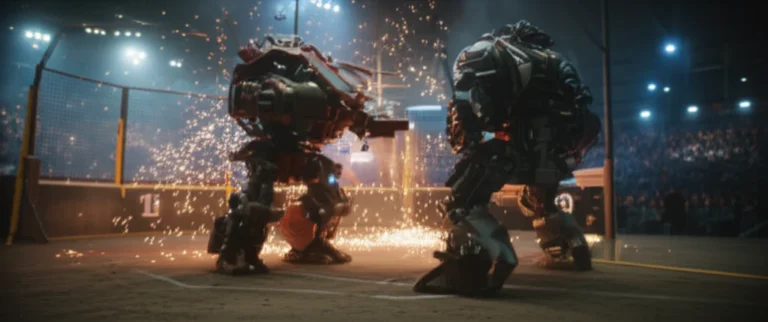
Have you ever watched a robot battle and thought, “Could I actually build one of those?” The thrilling clang of metal, the sparks flying, and the roar of the crowd—it’s addictive! But here’s the kicker: you don’t need a PhD in engineering or a million-dollar budget to get started. In fact, beginners are not only welcome in robot fighting leagues—they’re celebrated.
In this article, we’ll break down everything you need to know about jumping into the electrifying world of robot combat. From choosing the right weight class and building your first bot, to mastering driving tactics and avoiding rookie mistakes, we’ve got you covered. Plus, we’ll share inspiring success stories and reveal how the supportive community can be your secret weapon. Curious about how to start small but dream big? Keep reading, because your first fight might be closer than you think!
Key Takeaways
- Beginners are warmly welcomed in most robot fighting leagues, with classes designed specifically for newcomers.
- Starting with smaller weight classes like Antweight (1lb) or Beetleweight (3lb) is the smartest way to learn.
- Simplicity and durability trump complexity for your first robot—think wedges and lifters before spinners.
- Community support and mentorship are invaluable; you’re never building or fighting alone.
- Safety is paramount—both in the workshop and the arena.
- Expect to learn from losses and iterate your designs for continuous improvement.
- Educational programs like VEX Robotics and FIRST provide excellent stepping stones into combat robotics.
Ready to build your first bot and step into the arena? Let’s dive in!
Table of Contents
- ⚡️ Quick Tips and Facts
- 🤖 The Roaring Arena: A Brief History of Robot Combat & Its Evolution for Newcomers
- ✅ Absolutely! Why Robot Fighting Leagues Welcome Beginners with Open Arms
- 🗺️ Navigating the Robot Combat Landscape: Finding Your First League
- Understanding Robot Weight Classes: Your Entry Point to the Arena ⚖️
- Antweight (1 lb / 454g): The Tiny Terrors of Robot Combat
- Beetleweight (3 lb / 1.36 kg): Stepping Up Your Robot Fighting Game
- Hobbyweight (12 lb / 5.44 kg): The Sweet Spot for Many Beginner Robot Builders
- Beyond: Featherweight, Lightweight, Middleweight, Heavyweight – The Big Leagues of Robot Fighting
- Youth & Educational Robot Leagues: VEX Robotics and FIRST Robotics – Building Future Champions
- Local Clubs and Community Events: The Heartbeat of Beginner Combat Robotics
- Online Resources and Forums: Your Digital Pit Crew for Robot Design and Strategy
- Understanding Robot Weight Classes: Your Entry Point to the Arena ⚖️
- 🛠️ Your First Robot: From Concept to Combat-Ready Machine
- ⚔️ Mastering the Arena: Essential Skills & Strategies for New Robot Fighters
- 🚨 Safety First! Protecting Yourself, Your Robot, and the Spectators
- 🤝 Beyond the Build: The Robot Fighting Community & Mentorship
- ❌ Common Pitfalls for New Robot Builders (and How to Avoid Them!)
- 1. Over-complicating Your Robot Design: Keep It Simple, Soldier!
- 2. Neglecting Safety: A Recipe for Disaster (and Disqualification!)
- 3. Underestimating Battery Power and Wiring: The Heartbeat of Your Bot
- 4. Skipping Thorough Testing: Don’t Let Your First Fight Be Your First Test
- 5. Ignoring the Rules: Know Your League’s Regulations Inside and Out
- 6. Going Solo: The Robot Combat Community is Your Greatest Asset
- 7. Expecting Instant BattleBots Glory: Patience, Young Padawan!
- 📜 Rules of Engagement: What Every Beginner Needs to Know Before Entering the Arena
- 🌟 Inspiration from the Arenas: Beginner Success Stories That Will Ignite Your Passion
- 🏁 Conclusion: Your Robot Fighting Journey Starts Now!
- 🔗 Recommended Links: Gear Up for Glory!
- ❓ FAQ: Your Burning Robot Combat Questions Answered
- 📚 Reference Links: Dive Deeper into Robot Combat
So, you’ve seen the glorious metal-on-metal carnage on TV and thought, “Could I do that?” You’ve come to the right place. Here at Robot Fighting™, we live and breathe the glorious sport of robot fighting, and we’re here to tell you that the answer is a resounding YES! This isn’t some far-off dream reserved for MIT engineers with million-dollar budgets. Getting into the arena is more accessible than you’ve ever imagined.
Let’s bust some myths, dive into the nuts and bolts (literally), and get you on the path to combat robotics domination.
⚡️ Quick Tips and Facts
Pressed for time? Here’s the high-octane summary to get your gears turning:
| Quick Fact 💡 – |
|---|
| Beginners are Welcome! ✅ Yes, you can absolutely join. Leagues like the National Havoc Robot League (NHRL) actively encourage new builders and even offer kits to get started. – |
| Start Small. Don’t aim for a 250lb heavyweight beast for your first build. The most popular and accessible classes for beginners are “insect-weights” like the 1lb Antweight or 3lb Beetleweight classes. – |
| Kits are Your Friend. Overwhelmed by choices? Start with a kit! Companies like FingerTech Robotics offer comprehensive kits like the “Viper” that provide a fantastic entry point. – |
| Budget Wisely. You don’t need thousands. A competitive Antweight (1lb) robot can be built for a few hundred dollars. Remember, some upfront costs like a radio transmitter and battery charger are reusable for future bots! – |
| Community is Key. The robot combat world is incredibly supportive. Join online forums, find local clubs, and don’t be afraid to ask questions. You’ll find veterans eager to help newcomers. – |
| Safety is NOT Optional. These are not toys. Always respect the power of your machine. Safety glasses, proper battery handling, and secure weapon locks are mandatory. – |
🤖 The Roaring Arena: A Brief History of Robot Combat & Its Evolution for Newcomers
Believe it or not, the sport of robot combat didn’t just spring into existence with flashy TV shows. Its roots go back decades, starting in the underground maker and robotics scenes. Early competitions were raw, experimental, and laid the groundwork for the global phenomenon we see today.
What’s changed for you, the beginner? Everything.
In the old days, you needed serious engineering knowledge and access to a machine shop just to get started. Now? The community has exploded, creating a fantastic ecosystem for newcomers. The rise of affordable electronics, 3D printing, and pre-made kits has demolished the old barriers to entry. Leagues like the NHRL have become premier destinations, offering a structured, safe, and thrilling environment for builders of all skill levels. This evolution means the path from spectator to competitor is shorter and more exciting than ever before.
✅ Absolutely! Why Robot Fighting Leagues Welcome Beginners with Open Arms
Let’s get straight to the heart of it. Can you, a total rookie, step into this world of whirring blades and crushing force? Yes, and you’ll be welcomed. Here’s why the community is so open to new blood.
The Inclusive Spirit of Combat Robotics: More Than Just Metal Mayhem
The secret sauce of robot combat isn’t just the destruction; it’s the community. Every seasoned veteran started exactly where you are: with an idea and a pile of parts. There’s a shared understanding that everyone is there to learn, innovate, and have a blast. You’ll find opponents in the pits sharing spare parts and advice minutes before they try to tear each other’s bots apart in the arena. It’s a culture of “coopertition” that fuels the sport’s growth.
Learning Curve: From Zero to Hero in the Robot Arena
The journey from beginner to seasoned builder is a core part of the fun. As one builder wisely put it, “Design is an iterative process. You will never get it right the first time but with testing and modifications you can make it work.” This philosophy is embraced by everyone. Your first bot might get demolished. That’s not failure; it’s a field report! You’ll learn more from a 3-minute match that ends in glorious destruction than from weeks of theory. The goal is to learn, improve, and come back stronger.
🗺️ Navigating the Robot Combat Landscape: Finding Your First League
Okay, you’re convinced. You’re ready to build. But where do you fight? Finding the right place to start is crucial. The best way to get your bearings is to attend a local event before you build anything. Seeing the bots, talking to the builders, and feeling the energy is the best research you can do.
You can find events near you on dedicated websites like RobotCombatEvents.com and BuildersDB.com.
Understanding Robot Weight Classes: Your Entry Point to the Arena ⚖️
Just like boxing, robot combat is divided into weight classes. This ensures fair fights and, most importantly for you, provides a clear starting point. While the 250lb heavyweights on TV are awe-inspiring, they are incredibly expensive and complex. Beginners should focus on the “insect” weight classes.
Here’s a breakdown of the most common beginner-friendly classes:
| Weight Class | U.S. Weight Limit | Why It’s Great for Beginners – |
|---|---|---|
| Antweight 🐜 | 1 lb (454g) | This is the most popular starting point. Antweights are relatively affordable, parts are widely available, and they are less destructive, meaning your bot is more likely to survive its first few fights. It’s the perfect class to learn the fundamentals of design, electronics, and driving. – |
| Beetleweight 🪲 | 3 lb (1.36 kg) | A step up from Antweights, Beetles allow for more robust designs and more powerful weapons. The 3lb class is extremely popular and competitive, offering a great long-term goal for builders. NHRL features 3lb as one of its main classes. – |
| Hobbyweight ⚙️ | 12 lb (5.44 kg) | This class is a significant step up, allowing for more complex engineering and destructive power. It’s a great “sweet spot” for many builders, offering a serious challenge without the massive expense of the heavyweight classes. NHRL also hosts a 12lb class. – |
| Beyond 🚀 | 30lb and up | Featherweights (30lb), Lightweights (60lb), and beyond are the big leagues. The engineering challenges and costs increase significantly. Aspire to these, but don’t start here! – |
Antweight (1 lb / 454g): The Tiny Terrors of Robot Combat
This is where most builders start, and for good reason. The 1lb class is a fantastic learning environment. You can build a competitive bot without breaking the bank, and the smaller scale makes construction more manageable. Don’t let their size fool you; these tiny titans can pack a serious punch and lead to incredibly exciting matches.
Beetleweight (3 lb / 1.36 kg): Stepping Up Your Robot Fighting Game
Ready for more power? The 3lb Beetleweight class is one of the most popular and fiercely contested categories. The extra weight allowance opens up a world of possibilities for more durable armor and more devastating weapons. It’s a great next step after you’ve mastered the Antweight class.
Hobbyweight (12 lb / 5.44 kg): The Sweet Spot for Many Beginner Robot Builders
While a bigger leap, the 12lb Hobbyweight class is where you start to see some serious engineering. These bots are large enough for complex systems but still manageable for a dedicated builder. If you have some mechanical experience and are ready for a challenge, this could be your entry point.
Beyond: Featherweight, Lightweight, Middleweight, Heavyweight – The Big Leagues of Robot Fighting
These are the classes where dreams (and robots) are made and broken. From 30lb Featherweights to the 250lb Heavyweights of TV fame, these machines are incredible feats of engineering. They require significant investment, time, and expertise. It’s the ultimate goal for many, a journey that starts with a humble 1lb Antweight.
Youth & Educational Robot Leagues: VEX Robotics and FIRST Robotics – Building Future Champions
For younger aspiring builders, educational programs like VEX Robotics and FIRST Robotics are phenomenal gateways into the world of robotics.
- VEX Robotics: Known for being more affordable and accessible, VEX is a great starting point, especially for schools with limited resources. It focuses on smaller teams and direct, competition-oriented challenges.
- FIRST Robotics: FIRST often involves larger teams, more complex challenges, and a significant emphasis on community outreach and mentorship. The FIRST Robotics Competition (FRC) features large, industrial-sized robots and is an intense, deeply rewarding experience.
While not direct combat robotics, the skills learned in VEX and FIRST—design, programming, teamwork, and problem-solving—are directly transferable to the combat arena.
Local Clubs and Community Events: The Heartbeat of Beginner Combat Robotics
The real magic happens at the grassroots level. All across the country and the world, local clubs host events, workshops, and build days. These are the perfect places to meet fellow builders, get hands-on advice, and test your creations in a friendly environment. A quick search on Facebook or dedicated event sites will likely reveal a thriving community right in your backyard.
Online Resources and Forums: Your Digital Pit Crew for Robot Design and Strategy
The internet is your single greatest resource. The Combat Robotics Facebook group has thousands of members sharing designs, troubleshooting problems, and offering encouragement. Websites like the RobotCombatWiki are treasure troves of information. You’re never truly alone in your build; a global community of experts is just a click away.
🛠️ Your First Robot: From Concept to Combat-Ready Machine
Alright, it’s time to turn those dreams into a tangible, butt-kicking machine. Building your first bot is a journey of discovery. Don’t strive for perfection on your first attempt. The goal is to create something that works, that you can learn from, and most importantly, that you have fun building. As the old builder’s mantra goes, “building the machine is 75%+ the fun of the project.”
For a deep dive into the nitty-gritty, check out our category on DIY Robot Building.
1. The Core Principles of Beginner Robot Design: Simplicity is Key to Victory!
New builders often make the mistake of trying to build something too complex. Your first bot should follow the K.I.S.S. principle: Keep It Simple, Stupid!
- Effectiveness: Your bot needs to be able to do something. A simple, durable wedge is often more effective than a complex weapon that breaks in the first 10 seconds.
- Durability: It will get hit. Hard. Design it to survive. Think about how easily you can perform repairs between matches. A key question to ask is, “Can I change parts out in 10-15 mins if needed?”
- Reliability: A bot that works every time is better than a powerful bot that only works sometimes.
A simple wedge or a lifter is a fantastic first weapon. We strongly advise against starting with a powerful spinning weapon for your very first robot due to the significant safety risks involved.
2. Essential Components for Your First Combat Robot Build
Every combat robot, at its core, is made of the same key systems. Here’s a basic rundown of what you’ll need.
Chassis: The Foundation of Your Fighter’s Durability
This is your robot’s skeleton. For beginners, materials like high-density polyethylene (HDPE) or even durable plastics like UHMW are great choices. They are tough and relatively easy to work with. While materials like aluminum and titanium are common, they require more specialized tools.
Motors & Wheels: Mobility is Survival in the Robot Arena
Your drive system is critical. You need to balance speed, torque (pushing power), and durability.
- Motors: DC gearmotors are the standard. For budget builds, many people have successfully used motors stripped from cordless drills from stores like Harbor Freight. For more specialized options, companies like BaneBots are a go-to source for combat-ready motors.
- Wheels: You need traction. Colson wheels are a popular choice for their durability and grip, though they often require custom hubs.
Electronics: The Brains of the Operation (ESCs, Receiver, Battery)
This is your bot’s nervous system.
- Radio Transmitter/Receiver: This is how you control your bot. A 2.4GHz system is highly recommended to avoid interference. Brands like Spektrum are popular in the community.
- Electronic Speed Controllers (ESCs): These translate the signals from your receiver into power for the motors.
- Battery: Lithium Polymer (LiPo) batteries are the standard for smaller robots due to their high power and low weight, but they require careful handling and a special charger.
Weaponry: Choose Your Destructive Path (Spinners, Flippers, Wedges, and More!)
The fun part! As a beginner, focus on simple, effective weapons.
- ✅ Wedges: Simple, durable, and surprisingly effective. A well-driven wedge can control the entire match.
- ✅ Lifters/Flippers: Great for controlling your opponent and getting under them. A servo-powered lifter is a great first active weapon.
- ❌ Spinners (for your first bot): Horizontal or vertical spinners are incredibly destructive but also dangerous and complex to build safely. Save this for your second or third bot once you have more experience.
3. Tools of the Trade: What You’ll Need in Your Robot Building Workshop
You don’t need a full machine shop to start. A solid set of hand and basic power tools will get you far.
Essential Beginner Toolkit:
| Tool | Purpose – |
|---|---|
| Safety Glasses | Non-negotiable. Wear them whenever you’re working. – |
| Soldering Iron | Essential for connecting electronics. Get a decent kit with a stand, solder, and a tip cleaner. – |
| Screwdrivers/Hex Keys | You’ll be tightening a lot of screws. A good set with multiple heads is a must. – |
| Pliers/Wire Cutters | For gripping, bending, and snipping. Tapered-head pliers are especially useful for tight spaces. – |
| Drill | A basic cordless drill will be invaluable for making holes and driving screws. – |
4. Budgeting for Battle: Realistic Costs for Entry-Level Combat Robots
So, what’s the real damage to your wallet? It’s less than you think. While a heavyweight bot can cost thousands, you can get into the sport for much less.
- Antweight (1lb) Budget: A competitive Antweight can often be built for a few hundred dollars, especially if you’re resourceful.
- Beetleweight (3lb) Budget: Expect to spend a bit more, perhaps in the $200-$400 range for a reliable first bot.
- The “Hidden” Costs: Remember to budget for tools if you don’t have them, as well as a good LiPo battery charger and a radio transmitter. The good news is these are one-time purchases you can use for many future robots.
One builder noted that while it’s possible to build a bot for under $100, a more realistic cost for their most expensive 3lb bot was about $300. It all depends on your design and component choices.
⚔️ Mastering the Arena: Essential Skills & Strategies for New Robot Fighters
Building the bot is only half the battle. Driving it effectively is what wins matches. For more tips, check out our articles on Robot Battle Strategies.
Driving Your Robot: More Art Than Science in Combat Robotics
Practice, practice, practice! Set up a mini-arena in your garage or driveway and just drive. Get a feel for the controls, learn how to turn quickly, and practice maneuvering around obstacles. Many matches are won by superior driving alone.
Basic Combat Tactics: Outsmarting Your Opponent with Clever Maneuvers
- Know Your Opponent: Watch their previous fights if you can. Do they have a weak side? Are their wheels exposed?
- Use the Arena: The box is your weapon, too. Use the walls and corners to your advantage.
- Control the Engagement: Try to be the one initiating contact. With a wedge, this means always trying to get your front pointed at the enemy.
Learning from Losses: The True Path to Victory and Improvement
You will lose. Your bot will get wrecked. Embrace it! Every failure is a data point. What broke? Why did it break? How can you make it stronger? The builders who improve the fastest are the ones who analyze their losses and iterate on their designs.
🚨 Safety First! Protecting Yourself, Your Robot, and the Spectators
We can’t stress this enough: combat robotics is inherently dangerous. These machines can cause serious injury if not handled with respect.
Arena Safety Protocols: What to Expect at a Robot Fighting Event
Events have strict safety rules for a reason.
- Weapon Locks: All bots with active weapons must have a clearly visible and robust weapon lock engaged at all times when outside the arena.
- Safety Inspections: Your robot will undergo a thorough safety check before it’s cleared to fight.
- Powering On/Off: Robots are only to be powered on inside the arena or a designated test box. They must have a way to be powered down quickly and safely.
Workshop Safety: Handling Power Tools and High-Energy Batteries with Care
- Personal Protective Equipment (PPE): Always wear safety glasses when using tools or working on your bot.
- Battery Safety: LiPo batteries store a massive amount of energy. Always charge them in a LiPo-safe bag, never leave them unattended while charging, and never use a puffy or damaged battery.
- Testing: When testing a spinning weapon for the first time, do it in a safe, enclosed test box. Never stand in line with a spinning weapon.
🤝 Beyond the Build: The Robot Fighting Community & Mentorship
The greatest asset in this sport isn’t a powerful motor or a titanium wedge; it’s the community.
Finding Your Tribe: Local Clubs and Online Forums for Robot Enthusiasts
We’ve said it before, and we’ll say it again: get connected! Join the online groups, find your local club, and go to events. You’ll learn faster, have more fun, and make friends who share your passion for mechanical mayhem.
The Power of Mentors: Learning from the Pros in Combat Robotics
Don’t be shy! Most experienced builders are happy to share their knowledge with newcomers. Ask for advice on your design, ask for help in the pits, and listen to their stories. The wisdom they’ve gained from years of building and battling is invaluable.
❌ Common Pitfalls for New Robot Builders (and How to Avoid Them!)
Here at Robot Fighting™, we’ve seen it all. Here are the top mistakes rookies make and how you can sidestep them.
1. Over-complicating Your Robot Design: Keep It Simple, Soldier!
The temptation to build a complex, multi-weaponed death machine is strong. Resist it. A simple, robust design that you can easily repair is far better for a first bot.
2. Neglecting Safety: A Recipe for Disaster (and Disqualification!)
Cutting corners on safety is the fastest way to get disqualified and, more importantly, to cause an accident. Follow all safety protocols for tools, batteries, and weapon testing without exception.
3. Underestimating Battery Power and Wiring: The Heartbeat of Your Bot
A common failure point is bad wiring. Use appropriate gauge wire, make solid solder connections, and ensure everything is well-insulated and protected from impacts. A loose wire can end your match before it even starts.
4. Skipping Thorough Testing: Don’t Let Your First Fight Be Your First Test
Test everything. Test your drive system. Test your weapon. Test your failsafe. As one builder advises, “I try to break my robots before the event as I would rather figure out mistakes and fix problems when I have time to fix them rather than the time in between the match.”
5. Ignoring the Rules: Know Your League’s Regulations Inside and Out
Every league has a specific rule set. Read it. Then read it again. Showing up with a bot that’s overweight or has an illegal weapon is a heartbreaking way to end your competition day. You can find more info in our Robot Combat Rules and Regulations section.
6. Going Solo: The Robot Combat Community is Your Greatest Asset
Don’t be an island. The community is there to help. Asking for advice isn’t a sign of weakness; it’s a sign of a smart builder leveraging every available resource.
7. Expecting Instant BattleBots Glory: Patience, Young Padawan!
Building a competitive robot is a journey. Your first bot is a learning experience. Celebrate the small victories, learn from the explosive defeats, and enjoy the process. The skills and friendships you build are the real prizes.
📜 Rules of Engagement: What Every Beginner Needs to Know Before Entering the Arena
Understanding the basic rules of a competition is essential before you even start designing. While specifics can vary, most events follow a similar structure based on the SPARC (Standardized Procedures for the Advancement of Robot Combat) ruleset.
General Competition Rules: Fair Play and Good Sportsmanship
The spirit of the rules is as important as the letter. Good sportsmanship is mandatory. The goal is to have fun, exciting fights in a safe environment.
Weapon Restrictions and Safety Checks: Keeping Everyone Safe
Most events ban weapons that are considered “lame to watch” or overly hazardous, such as nets, liquids, tasers, and projectiles. Fire is sometimes allowed but is heavily regulated. Every robot must pass a safety inspection to ensure it complies with the rules before it can compete.
Match Format and Scoring: How Victories are Declared
- Match Length: Fights are typically three minutes long.
- Winning: A victory is achieved in one of two ways:
- Knockout (KO): An opponent is declared knocked out if it is unable to show “controlled translational movement” for a 10-second countdown.
- Judges’ Decision: If the match goes the full three minutes, a panel of judges scores the fight based on three criteria: Damage, Aggression, and Control.
🌟 Inspiration from the Arenas: Beginner Success Stories That Will Ignite Your Passion
Every champion was once a beginner. Take the story of Repeater, the current 3lb World Champion at NHRL. Or SLAM PLAN, the 12lb champion. These teams didn’t start at the top. They started with an idea, a willingness to learn, and the passion to see it through. They experienced failures, redesigned their bots, and honed their skills over time.
Think of teams you see on TV. Many of them started in the smaller weight classes, learning the ropes in local leagues before ever dreaming of the big time. Their journey is a testament to the fact that with dedication, anyone can rise through the ranks. Your journey could be next. What are you waiting for?
Conclusion: Your Robot Fighting Journey Starts Now!

So, can beginners participate in robot fighting leagues? Absolutely! The world of combat robotics is wide open to newcomers, and the community is eager to welcome you. From the accessible Antweight and Beetleweight classes to youth programs like VEX Robotics and FIRST, there are plenty of entry points tailored for beginners.
The key takeaways:
- Start small and simple. Build a durable, easy-to-repair robot that focuses on reliability and effective strategy.
- Leverage the vast community resources, online forums, and local clubs to learn and grow.
- Prioritize safety at every step — from workshop practices to arena protocols.
- Embrace failure as a learning tool. Every loss is a step closer to victory.
- Budget wisely and invest in quality tools and components that will serve you across multiple builds.
Remember the words of many seasoned builders: building the machine is 75%+ the fun of the project. Your first robot might not be a champion, but it will be your foundation for growth and excitement in this electrifying sport.
Ready to jump in? Your robot fighting journey starts now — and we’ll be cheering you on every step of the way!
Recommended Links: Gear Up for Glory!
Ready to build your first bot or upgrade your gear? Check out these trusted sources for kits, components, and tools:
-
FingerTech Robotics Viper Kit:
Amazon | FingerTech Official Website -
BaneBots Motors and Gearboxes:
Amazon | BaneBots Official Website -
Spektrum Radio Systems:
Amazon | Spektrum Official Website -
Colson Wheels:
Amazon | McMaster-Carr -
LiPo Battery Chargers:
Amazon -
Essential Tools Kit:
Amazon -
Recommended Books:
- Robot Builder’s Bonanza by Gordon McComb — Amazon Link
- Combat Robotics: Design, Build, and Battle Your Own Fighting Robot by Matt Denton — Amazon Link
FAQ: Your Burning Robot Combat Questions Answered

What skills do beginners need to join robot fighting leagues?
Beginners should have a basic understanding of mechanical assembly, electronics, and radio control systems. Skills like soldering, using hand tools, and basic design thinking are highly beneficial. However, many leagues and communities offer mentorship and resources, so a willingness to learn and experiment is often more important than prior experience.
Read more about “Extreme Robotics Unleashed: 10 Mind-Blowing Innovations in 2025 🤖”
Are there beginner-friendly robot fighting leagues available?
✅ Yes! Leagues such as the National Havoc Robot League (NHRL) actively encourage new builders and host beginner-friendly weight classes like Antweight (1lb) and Beetleweight (3lb). Educational programs like VEX Robotics and FIRST Robotics also provide excellent entry points for younger participants.
What type of robots can beginners use in fighting leagues?
Beginners typically start with smaller weight classes such as Antweight (1lb), Beetleweight (3lb), or Hobbyweight (12lb). These classes allow for simpler designs, lower costs, and safer competition environments. Common beginner robot types include wedges, lifters, and simple flippers. Complex weapons like spinners are usually reserved for more experienced builders.
Read more about “How Do Robot Fighting Tournaments Work? 🤖 The Ultimate 2025 Guide”
How can beginners build a robot for fighting competitions?
Start by choosing a weight class and reviewing that league’s rules. Use simple, durable designs focusing on mobility and reliability. Kits like the FingerTech Viper provide a great starting point. Acquire essential tools, select quality components (motors, wheels, electronics), and build incrementally. Testing and iteration are key — expect to learn from each match and improve your design.
Read more about “Ultimate Robot Combat Competition Guide: 7 Must-Know Facts (2025) 🤖🔥”
Do robot fighting leagues offer training or workshops for novices?
Many leagues, including NHRL, offer workshops, crash courses, and mentorship programs designed for beginners. These programs cover everything from basic design principles to driving skills and safety protocols. Local clubs and online communities also frequently host build nights and training sessions.
What are the common challenges beginners face in robot fighting leagues?
- Overcomplicating designs: Trying to build too complex a robot too soon.
- Safety oversights: Mishandling batteries or weapons can cause accidents.
- Budget constraints: Underestimating costs of parts and tools.
- Testing neglect: Insufficient pre-competition testing leads to failures in the arena.
- Rule misunderstandings: Not fully knowing league regulations can lead to disqualification.
Read more about “Do Combat Robots Exist? 🤖 10 Surprising Types Explained (2025)”
Can beginners compete in robot fighting leagues from home?
While most official competitions require physical attendance, many leagues and communities host virtual design challenges, simulation contests, and online strategy forums. Additionally, some local clubs organize small-scale events that can be attended with minimal travel. However, hands-on building and live competition remain the heart of the sport.
Reference Links: Dive Deeper into Robot Combat
- National Havoc Robot League (NHRL): https://www.nhrl.io/
- FingerTech Robotics: https://www.fingertechrobotics.com/
- BaneBots: http://www.banebots.com/
- Spektrum RC: https://www.spektrumrc.com/
- VEX Robotics: https://www.vexrobotics.com/
- FIRST Robotics: https://www.firstinspires.org/robotics/frc
- RobotCombatWiki: http://robotcombatwiki.com/
- BuildersDB: http://www.buildersdb.com/
- RobotCombatEvents.com: https://www.robotcombatevents.com/
- Robot Fighting™ Combat Rules and Regulations: https://www.robotfighting.org/category/robot-combat-rules-and-regulations/
- Robot Fighting™ Robot Design and Engineering: https://www.robotfighting.org/category/robot-design-and-engineering/
- Robot Fighting™ Robot Battle Strategies: https://www.robotfighting.org/category/robot-battle-strategies/
- Robot Fighting™ DIY Robot Building: https://www.robotfighting.org/category/diy-robot-building/
- Robot Fighting™ Robot Combat Videos: https://www.robotfighting.org/category/robot-combat-videos/
- VEX Robotics Competition Discussion – Tips for Beginners: https://www.vexforum.com/t/tips-for-beginners/98211
Ready to build? Check out our detailed guides and community forums to get started on your path to robot fighting glory!