Support our educational content for free when you buy through links on our site. Learn more
Robot Fighting Judges: 10 Secrets Behind Every Decision 🤖 (2025)


Ever wondered who calls the shots when two metal monsters clash in the arena and no knockout happens? Robot fighting judges are the unsung heroes who dissect every hit, maneuver, and strategy to declare a winner. But their job is far from simple — it’s a high-pressure blend of engineering insight, split-second analysis, and impartial judgment.
At Robot Fighting™, we’ve spent years in the pits and behind the scenes, and we’re here to pull back the curtain on what really goes into judging robot combat. From the evolution of judging criteria to the intense training judges undergo, and even the controversies that spark heated debates among fans — this article covers it all. Stick around to discover how a single judge’s call can shape the future of robot design and the sport itself!
Key Takeaways
- Judging is based on three core criteria: Damage, Aggression, and Control — each with its own nuances and weightings depending on the league.
- Judges are expert builders, engineers, and industry pros who bring technical knowledge and combat experience to every decision.
- Technology like instant replay and multi-angle cameras helps judges make fair, accurate calls in fast-paced, chaotic battles.
- Controversies often arise due to the subjective nature of scoring and the complexity of robot damage assessment.
- Aspiring judges need deep rule knowledge, hands-on experience, and a passion for fairness to succeed in this demanding role.
Ready to see the battles through a judge’s eyes? Let’s dive in!
Table of Contents
- ⚡️ Quick Tips and Facts
- 📜 The Unsung Heroes of the Arena: A History of Robot Combat Judging
- 🔍 What Do Robot Fighting Judges Actually Do? Decoding Their Crucial Role
- ⚖️ The Judging Criteria: How Victories Are Decided in the Bot Battleground
- 🧑⚖️ Behind the Gavel: Who Are These Robot Combat Experts?
- 🌪️ The Pressure Cooker: Challenges and Controversies in Robot Fighting Judging
- 🎓 Training the Eye: How Robot Combat Judges Get Ready for Battle
- 🤖 Technology’s Role: Tools and Tech Aiding the Robot Fighting Judges
- 🗣️ Fan vs. Judge: Bridging the Perception Gap in Robot Combat Decisions
- 🏆 The Impact of a Judge’s Call: Shaping Robot Combat History
- 🚀 Becoming a Robot Fighting Judge: Your Path to the Gavel
- ✅ Quick Tips for Aspiring Robot Combat Judges
- 🏁 Conclusion: The Indispensable Role of Robot Fighting Judges
- 🔗 Recommended Links: Dive Deeper into Robot Combat
- ❓ FAQ: Your Burning Questions About Robot Fighting Judges Answered
- 📚 Reference Links: Our Sources and Further Reading
Here at Robot Fighting™, we live and breathe the crunch of metal and the smell of burning electronics. We’ve spent countless hours designing, building, and, yes, watching our creations either achieve glorious victory or get spectacularly dismantled. This gives us a unique perspective on every aspect of Robot Fighting, especially the most misunderstood and crucial role in the arena: the robot fighting judge.
They’re the ones in the hot seat when a three-minute mechanical brawl doesn’t end in a knockout. But how do they decide a winner? What goes through their minds? Let’s pull back the curtain.
⚡️ Quick Tips and Facts
New to the world of judged robot combat? Here’s the lowdown:
- It’s Not Just About Smashing: While destruction is fun, judges score on a strict set of criteria. It’s a science!
- Three Core Pillars: In most modern leagues like BattleBots and the National Havoc Robot League (NHRL), judging boils down to three key areas: Damage, Aggression, and Control.
- No Two Leagues are Identical: The weighting of these pillars can vary. For instance, the original Robot Wars series included “Style” points, which were later dropped in the revival.
- Judges are Experts: They’re often veteran builders, engineers, or industry professionals with a deep understanding of robotics. Think of people like former BattleBots competitor Fon Davis or robotics professor Noel Sharkey, who was a head judge on Robot Wars.
- KO is King: A judge’s decision is only needed if no robot is knocked out or incapacitated within the time limit. The primary goal is always to win decisively in the arena.
📜 The Unsung Heroes of the Arena: A History of Robot Combat Judging
Believe it or not, there was a time when robot combat was the Wild West. Early competitions in the 90s, like the ones organized by Marc Thorpe, were foundational, but as the sport grew into televised spectacles like Robot Wars (premiering in 1998) and the original BattleBots (2000), the need for a structured, fair judging system became paramount.
Initially, the rules were simpler, and so was the judging. In the first series of Robot Wars, the competition even included obstacle courses alongside combat. But as builders got more innovative and destructive, the focus shifted purely to the fight. This evolution demanded a more nuanced way to score a match that went the distance.
The “big three” criteria—Damage, Aggression, and Control—became the standard. However, their interpretation and importance have shifted over time. The UK’s Robot Wars originally had a 3:4:2:1 weighting for Aggression, Damage, Control, and Style, respectively. This meant inflicting damage was considered the most important factor. In the 2016 revival, the weighting changed to 3:2:1 for Aggression, Damage, and Control, making aggression the top priority. This simple change had a massive impact on builder strategy and the types of fights you’d see.
🔍 What Do Robot Fighting Judges Actually Do? Decoding Their Crucial Role
So, what’s it like sitting in that chair, watching two metal behemoths tear each other apart, knowing you might have to make the final call? It’s intense. A judge’s role isn’t just to watch; it’s to analyze, interpret, and apply the rules under immense pressure.
Their primary responsibilities include:
- Observing the Entire Match: They can’t afford to blink. They’re tracking every hit, every maneuver, and every sign of malfunction from multiple angles.
- Applying the Scoring Criteria: During and after the fight, they are mentally (and often physically, on a scorecard) assigning points based on the league’s specific Robot Combat Rules and Regulations.
- Maintaining Impartiality: This is crucial. Judges must not be swayed by crowd noise, their personal feelings about a team, or a robot’s reputation. It’s about what happens in that three-minute window, period.
- Post-Match Inspections: In some cases, judges may need to inspect the robots after a match to fully assess the extent of the damage before finalizing their scores.
It’s a high-stakes job where every decision is scrutinized by thousands of passionate fans.
⚖️ The Judging Criteria: How Victories Are Decided in the Bot Battleground
Let’s break down the trifecta of modern robot combat judging. Understanding this is key to seeing the fight through a judge’s eyes.
1. 💥 Damage: The Ultimate Equalizer and Its Assessment
This is often the most straightforward category, but it has its nuances. Damage is about reducing the functionality of the opponent.
-
✅ What counts:
- Significant Hits: A powerful spinner tearing off a wheel, a flipper breaking a weapon, or a hammer punch that visibly dents armor.
- Functionality Reduction: Is the other bot driving slower? Is its weapon no longer working? That’s prime damage.
- Internal Damage: Smoke, fire, or the loss of a drive chain are all clear indicators of significant damage.
-
❌ What doesn’t (usually) count:
- Cosmetic Scratches: Scrapes and paint chips don’t win fights.
- Self-Inflicted Damage: If a bot’s weapon breaks on its own or it drives into a wall, that’s not scored against its opponent.
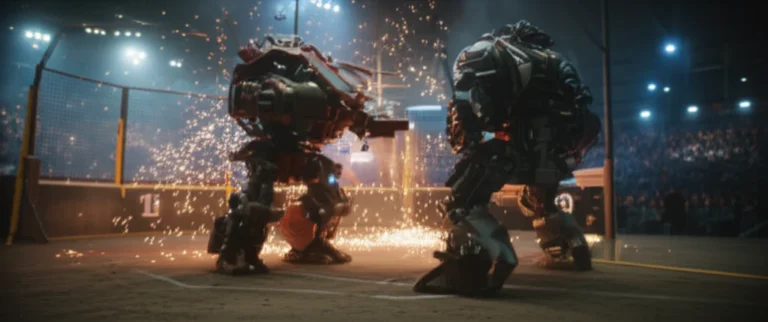
- Visuals without Impact: Sparks look cool, but if they aren’t the result of a damaging blow, they’re just for show. Judges are trained to look past pyrotechnics.
2. 🔥 Aggression: Bringing the Fight to Your Opponent
Aggression is about consistently moving toward your opponent and initiating attacks with your primary weapon. It’s about dictating the pace of the fight.
-
✅ What counts:
- Weapon-Led Attacks: A spinner charging forward, a flipper actively trying to get underneath the opponent, a hammer constantly firing.
- Initiating Contact: The robot that is consistently closing the distance and making contact scores high here.
- Bold Maneuvers: A driver who isn’t afraid to engage, even if it means taking a hit, will be rewarded.
-
❌ What doesn’t count:
- Passive Pushing: Simply using a wedge to ram the opponent without using an active weapon is often considered defensive and won’t score aggression points.
- Running Away: Obvious, but if you’re constantly backing up, you’re losing the aggression battle.
- Sitting and Waiting: A powerful spinner waiting for the opponent to come to them is not considered aggressive. The robot must show translational movement towards its opponent.
3. 🕹️ Control: Mastering the Chaos and Outmaneuvering Your Foe
Control is the art of driving. It’s about making the other robot go where you want it to go, whether that’s into a wall, a hazard, or the path of your weapon.
-
✅ What counts:
- Superior Driving: Outmaneuvering your opponent, dodging attacks, and positioning your bot advantageously.
- Using the Arena: Pushing an opponent into the screws or over the flame jets is a clear demonstration of control.
- Pinning and Holding (within limits): Taking an opponent out of the fight by pinning them is a powerful control tactic, though rules prevent indefinite pinning.
-
❌ What doesn’t count:
- Being Pushed Around: If you spend the whole match on the defensive, being shoved from one side of the box to the other, you’re not in control.
- Avoiding Engagement: Staying away from the other bot might save you from damage, but it shows a lack of control over the match’s flow.
4. 🧠 Strategy: Brains Over Brawn in the Robot Arena
While not always a separate scoring category in all leagues, strategy is the invisible hand guiding every decision. It’s woven into Damage, Aggression, and Control. Judges are looking for signs of a well-thought-out game plan.
- Targeting Weak Points: Did the driver consistently attack the opponent’s exposed wheels or weapon chain?
- Counter-Maneuvers: Did a bot effectively neutralize the opponent’s weapon? For example, using a wedge to high-center a horizontal spinner.
- Adapting Mid-Fight: If a bot’s primary weapon goes down, does it switch tactics to pushing and controlling? This shows smart, strategic driving.
A great example of strategy comes from our own experience in the Robot Fighting League. We once had a fast, low-profile bot whose weapon failed in the first 30 seconds against a massive vertical spinner. Instead of giving up, our driver spent the next two and a half minutes using our bot’s speed to harass the opponent, preventing them from spinning up to full speed and pushing them towards the arena hazards. We lost the damage category, obviously, but we won decisively on Control and Aggression, earning us the judge’s decision. It was a masterclass in turning a bad situation around with pure strategy.
5. 🤝 Sportsmanship: An Often-Overlooked Factor in Robot Combat
While not a direct scoring metric, good sportsmanship is the bedrock of the entire community. Leagues like the NHRL explicitly state that “good sportsmanship is always required.” Judges and officials notice. Continuing to attack a clearly disabled robot after a “tap out” or countdown can lead to disqualification. It’s a community built on respect for the machines and the builders who pour their hearts into them.
🧑⚖️ Behind the Gavel: Who Are These Robot Combat Experts?
Who gets to make these critical calls? Robot fighting judges aren’t just random fans pulled from the crowd. They are typically individuals with deep roots in the sport and a technical background.
- Veteran Builders: Many judges are former or current competitors. They’ve been in the pits, they’ve felt the sting of a loss, and they understand the engineering challenges. Lisa Winter, a legendary builder (Tentomoushi) and a BattleBots judge, is a perfect example. Her experience gives her incredible insight into what’s happening inside those bots.
- Engineers and Roboticists: People with professional backgrounds in mechanical engineering, electronics, or robotics bring a technical eye to the panel. Professor Noel Sharkey, a renowned expert in AI and robotics, was the head judge for every series of the UK’s Robot Wars.
- Industry Experts: Sometimes, judges come from related fields, like the visual effects industry. Fon Davis, an alumnus of Industrial Light & Magic and a BattleBots judge, has a keen eye for mechanical design and function.
This blend of experience ensures that decisions are based on a comprehensive understanding of Robot Design and Engineering.
🌪️ The Pressure Cooker: Challenges and Controversies in Robot Fighting Judging
Let’s be real: judging is tough, and controversy is inevitable. Every fan has seen a decision they vehemently disagreed with. Why does this happen?
- The Speed of Combat: Fights are chaotic and incredibly fast. A match-deciding blow can happen in a fraction of a second.
- Obscured Views: Despite multiple camera angles, sometimes the action is hidden. Two bots locked together against a wall might be doing serious damage that’s invisible to the judges and the audience.
- Subtlety of Damage: A hit might look insignificant but could have severed a crucial wire or broken a gear internally. Judges have to infer this from the robot’s subsequent performance.
- Subjectivity: While the criteria provide a framework, there’s always a degree of human interpretation. One judge might weigh a solid control strategy over moderate damage, while another might see it differently.
One of the most famous examples is the ongoing debate around “control bots” vs. “damage bots.” A bot that does little visible damage but flawlessly pushes its opponent around for three minutes can win on points, which can be frustrating for fans who came to see destruction. It’s a stylistic clash that makes judging incredibly difficult. As one builder put it, if judging only rewards durability and pushing, teams will just build “weaponless bricks,” which isn’t good for the sport.
The intensity of being a judge is captured surprisingly well in the featured video above. The clip from the movie “Judge Dredd” shows the immense pressure and authority of the role, a feeling that rings true in the robot combat arena. You can watch it at #featured-video.
🎓 Training the Eye: How Robot Combat Judges Get Ready for Battle
You don’t just walk into a judging chair. It requires a trained eye and a deep understanding of the sport.
- Experience is Key: Most judges spend years in the sport as builders, crew members, or event volunteers before ever picking up a scorecard.
- Shadow Judging: Aspiring judges often “shadow” experienced ones, scoring matches on their own and comparing their reasoning with the official panel.
- Rules Mastery: They must know the rulebook inside and out. Leagues like the Midwest Robot Combat Association have detailed guidelines that judges must master.
- Understanding Materials and Mechanics: A good judge knows the difference between cosmetic damage to an ablative armor panel and a critical hit to a structural frame piece. They need to understand the guts of the machines.
🤖 Technology’s Role: Tools and Tech Aiding the Robot Fighting Judges
Modern technology has made a judge’s job a little easier.
- Instant Replay: High-definition, slow-motion replays allow judges to review critical moments, like a weapon-on-weapon impact or the exact moment a bot loses mobility.
- Multiple Camera Angles: From overhead views to floor-level “bot’s-eye” cameras, judges have access to every angle to ensure they don’t miss a thing.
- Scoring Systems: Digital scoring systems help judges log their points in real-time, ensuring consistency and accuracy. BattleBots, for example, has refined its Judges’ Matrix over the years to make scoring more objective.
🗣️ Fan vs. Judge: Bridging the Perception Gap in Robot Combat Decisions
Why do fans at home sometimes see a fight completely differently than the judges?
- The TV Edit: A television broadcast is designed for maximum entertainment. It might focus on big, flashy sparks while a judge is focused on the less dramatic but more significant loss of a drive chain on the other side of the bot.
- Emotional Investment: As fans, we have our favorites. We’re emotionally invested, which can color our perception. Judges are trained to be impartial.
- Lack of Information: The average viewer might not know that a particular panel on a bot is designed to break away (ablative armor) and that its loss is less significant than a dent in the main chassis.
The key takeaway is that judges are scoring based on a very specific, technical set of rules, not just on which robot looked more impressive.
🏆 The Impact of a Judge’s Call: Shaping Robot Combat History
A single judge’s decision can send ripples through the entire sport. A controversial call can:
- End a Champion’s Run: Many a tournament favorite has been knocked out of a competition not by a KO, but by a close 2-1 split decision.
- Influence Future Designs: If judges consistently reward a certain type of strategy (e.g., powerful spinners), you’ll see more builders adopt that style in the next season. This is a core part of the sport’s evolution, which you can explore further in our Robot Design and Engineering section.
- Create Unforgettable Moments: The debates that follow a controversial decision are part of the fun and drama of the sport. It gets fans talking and keeps them engaged. Check out some of the most talked-about fights in our Robot Combat Videos archive!
🚀 Becoming a Robot Fighting Judge: Your Path to the Gavel
Think you have what it takes? Becoming a judge is a journey, not a destination.
- Get Involved: The first step is to immerse yourself in the community. Go to local and regional events like those hosted by the NHRL. Volunteer. Talk to builders.
- Start Small: Offer to help judge at smaller, non-televised events. This is where you’ll learn the ropes without the pressure of a TV audience.
- Build a Bot: There is no better way to understand the sport than by building your own machine. Our DIY Robot Building guides are a great place to start. This hands-on experience is invaluable.
- Study the Greats: Watch hundreds of fights. Read the rulebooks for different leagues. Understand why decisions were made.
- Network: Get to know event organizers and current judges. Express your interest. The community is tight-knit, and reputation matters.
✅ Quick Tips for Aspiring Robot Combat Judges
- Leave Your Bias at the Door: You must be able to judge a fight based only on what happens in the arena.
- Know the Rules Cold: Don’t just read them; understand the intent behind them.
- Practice, Practice, Practice: Score fights from your couch. Write down your reasoning and see if it aligns with the official outcome.
- Communicate Clearly: If you get a chance to judge, be prepared to defend your decision with clear, rule-based reasoning.
- Be Humble: You will make calls that people disagree with. Be open to feedback and always be willing to learn.
🏁 Conclusion: The Indispensable Role of Robot Fighting Judges

After diving deep into the world of robot fighting judges, one thing is crystal clear: these unsung heroes are the backbone of the sport. They bring expertise, impartiality, and razor-sharp focus to every match, ensuring that when the dust settles, the rightful victor is crowned.
We’ve seen how their role evolved from simple scorekeepers to highly trained professionals who balance damage assessment, aggression, control, and strategy under intense pressure. Their decisions shape the history of robot combat, influence design trends, and keep the sport fair and exciting for builders and fans alike.
If you ever wondered why some fights end in controversial decisions, now you know the complexity behind the scenes. Judging robot combat is a blend of art and science, requiring a deep understanding of engineering, tactics, and sportsmanship. The next time you watch a match go to the judges, remember the incredible responsibility they carry—and the passion that fuels their calls.
Whether you’re a builder, a fan, or an aspiring judge, appreciating this role will deepen your love for the sport. So, ready to step into the arena yourself? The path to the gavel awaits!
🔗 Recommended Links: Dive Deeper into Robot Combat
Ready to explore more or gear up for your own robot combat adventures? Check out these top resources and products:
- Robot Combat Rulebooks and Guides:
- Robot Building and Design:
- Must-Read Books on Robotics and Combat:
- 👉 Shop Robot Combat Essentials:
❓ FAQ: Your Burning Questions About Robot Fighting Judges Answered

Who are the judges in robot fighting competitions?
Robot fighting judges are typically a mix of experienced robot builders, engineers, and industry experts. Many have hands-on experience in the pits or a professional background in robotics, mechanical engineering, or related fields. For example, Noel Sharkey, a robotics professor, served as head judge on Robot Wars, while Lisa Winter, a seasoned competitor, judges on BattleBots. Their combined technical knowledge and combat experience enable them to make informed, fair decisions.
Read more about “⚔️ Ultimate Guide to Robot Fighting Rules & Regulations (2025)”
What criteria do robot fighting judges use to score matches?
Judges score matches primarily based on Damage, Aggression, and Control:
- Damage: How much functional harm a robot inflicts on its opponent.
- Aggression: How actively a robot pursues and attacks its opponent.
- Control: The ability to maneuver and dictate the flow of the fight.
Some leagues, like the original Robot Wars, also included Style points, rewarding flair and self-righting abilities. The weighting of these criteria varies by league but generally follows a 3:2:1 or similar ratio.
Read more about “RFL Uncovered: 7 Game-Changing Solutions Powering Critical Communications 🚀 (2025)”
How do robot fighting judges ensure fair decisions?
Judges maintain fairness by:
- Strictly following the rulebook and scoring guidelines.
- Remaining impartial, ignoring crowd reactions or personal biases.
- Using multiple camera angles and instant replays to verify critical moments.
- Collaborating as a panel to discuss and reach consensus on close calls.
- Conducting post-match inspections to assess hidden damage.
Their training and experience help them apply consistent standards across all matches.
Are robot fighting judges experts in robotics or engineering?
✅ Yes! Most judges have a strong technical background. Many are former competitors who understand robot mechanics firsthand. Others are engineers or roboticists with professional expertise. This knowledge is crucial to accurately assess damage, control, and strategy during fast-paced matches.
Can fans influence the decisions of robot fighting judges?
❌ No. Judges operate independently of fan opinions and social media pressure. While fans may passionately debate outcomes, judges base their decisions solely on the match’s events and the official scoring criteria. This impartiality preserves the sport’s integrity.
What training do robot fighting judges undergo before competitions?
Judges typically:
- Shadow experienced judges at smaller events.
- Study the rulebooks extensively to understand scoring nuances.
- Practice scoring matches by watching recorded fights.
- Attend workshops or seminars hosted by leagues or organizations.
- Gain hands-on experience by volunteering in various event roles.
This preparation ensures they are ready to make quick, accurate decisions under pressure.
How do robot fighting judges handle disputes during matches?
If disputes arise:
- Judges review instant replays and multiple camera angles.
- They may consult with technical inspectors or referees about robot conditions.
- The judging panel discusses the issue collectively to reach a consensus.
- In some leagues, there is an appeals process post-event for formal disputes.
- Judges explain their decisions clearly to competitors and sometimes to the audience to maintain transparency.
📚 Reference Links: Our Sources and Further Reading
- Robot Wars (TV Series) — Wikipedia
- BattleBots Official Website
- National Havoc Robot League (NHRL) Rules & Regulations
- Robot Fighting™ Combat Rules and Regulations
- Robot Fighting™ Robot Design and Engineering
- Naomi Kyle on Facebook — BattleBots Judge
- Industrial Light & Magic — Fon Davis Profile
We hope this comprehensive guide has given you a front-row seat to the fascinating world of robot fighting judges. Whether you’re cheering from the stands or dreaming of stepping into the judge’s chair, understanding their role enriches every moment of the battle. Keep building, keep battling, and keep judging with heart! 🤖🔥